The Betrayal – A Heart Unmasked
“Then one of the twelve, called Judas Iscariot, went unto the chief priests,” — Matthew 26:14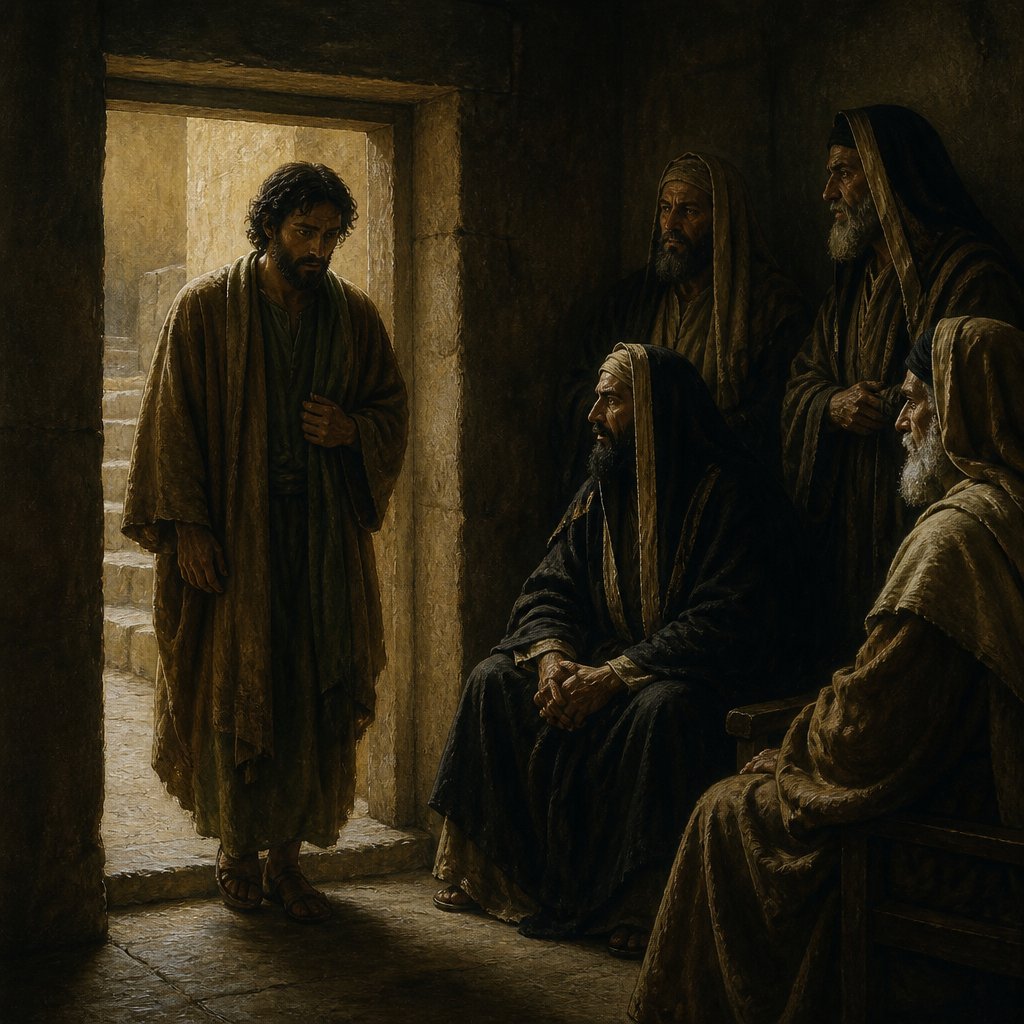
Matthew 26:14 states, "Then one of the twelve, called Judas Iscariot, went unto the chief priests." This moment in scripture holds a weight that reverberates through time; it captures the essence of betrayal, the conflict of loyalty versus treachery, and the eternal consequences of our choices.
Judas Iscariot, one of the twelve disciples closest to Jesus, shows us that proximity to Christ does not guarantee genuine faith or honorable motives. His name becomes synonymous with betrayal and treachery, which raises profound questions about the human heart. What drives a person to turn against their own? What darkness lurks within, capable of forsaking the greatest love ever demonstrated? In this instance, we witness a chilling transformation in Judas, who was once part of the inner circle.
To understand Judas’ actions, we must delve deeper into the context. As one of the disciples, Judas experienced firsthand the miracles and teachings of Jesus. He walked the same dusty roads, shared meals, and partook in the fellowship that bound the early disciples together. Yet, despite witnessing Christ’s divine authority and love, he succumbed to greed and discontent. The Gospel of John reveals that Judas was a thief, which hints at the inner turmoil that must have marked his time with Jesus (John 12:6).
We must ponder why Judas sought out the chief priests. The phrase "went unto the chief priests" signifies a deliberate choice, a departure from faithfulness. Here, Judas is not just a passive character but an active player in the unfolding tragic narrative. He sought out the religious leaders, the very symbols of faith and authority, revealing a deep-seated betrayal on multiple levels. He turned against his Master to align himself with those who sought to destroy Jesus for their personal gains.
Reflecting on Judas brings the Holy Spirit into our hearts and begs us to examine ourselves. Are there areas in our lives where we may seem close to Christ but harbor ulterior motives? Are we being led by our desires instead of faithfulness? Just as the elite of Jerusalem found an ally in Judas, are there elements in our own lives that seek to influence us towards betrayal? Perhaps we are lured by things of this world, whether they be wealth, status, or approval.
As we consider Judas’ choice to betray Jesus, we must also confront the reality of our choices. Every decision we make can either draw us closer to Christ or lead us away from Him. Each day presents us with moments where we align ourselves with divine principles or turn towards betrayal - not just towards God but also towards others. This ecclesiastical reflection shines a light on the need for us to not only pursue a relationship with Jesus but also evaluate our intentions, actions, and beliefs.
The depth of Judas' betrayal is further revealed when we realize that it was not simply a betrayal of trust but also a rejection of love. Jesus had given everything for his disciples, illustrating divine love through service, sacrifice, and teaching. In the same way, we are called to recognize the scope of our relationships and how we nourish or neglect them.
Ultimately, the story of Judas Iscariot serves as a warning. It demonstrates how one can be surrounded by grace and yet choose the path of betrayal. Yet we must not dwell only on the tragedy of betrayal but also on the profound love that Christ shows, even to those who fail Him. Jesus knew Judas would betray Him, and still, He chose to love him.
In closing, as we reflect on Matthew 26:14, let us pray for insight into our hearts, that we might remain steadfast in our loyalty to Christ, embracing a spirit of authenticity and integrity in all our dealings. Let us choose love over betrayal, faithfulness over greed, and humility over pride, allowing our hearts to be molded by the potter’s hand.
Get our apps


Artwork for Matthew 26:14

Matthew 26:14 - "¶ Then one of the twelve, called Judas Iscariot, went unto the chief priests,"
"¶ Then one of the twelve, called Judas Iscariot, went unto the chief priests," - Matthew 26:14

Matthew 14:26 - "And when the disciples saw him walking on the sea, they were troubled, saying, It is a spirit; and they cried out for fear."

"And when the disciples saw him walking on the sea, they were troubled, saying, It is a spirit; and they cried out for fear." - Matthew 14:26

Matthew 26:25

Matthew 26:15

Matthew 19:26

Matthew 26:15

Matthew 27:26

Matthew 27:26

Matthew 26:53

Matthew 26:41

Matthew 26:65

Matthew 26:53

Matthew 10:26-33
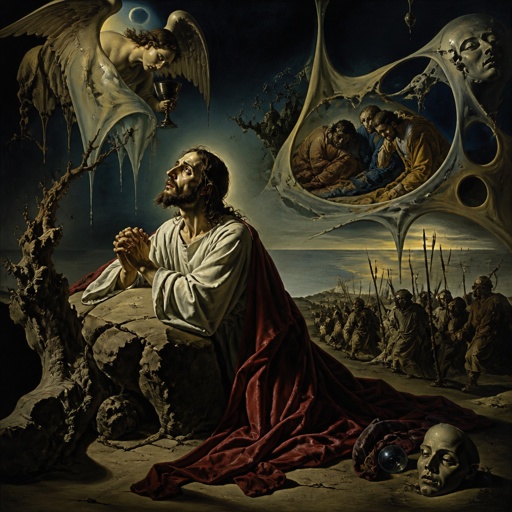
Matthew 26:36-46

Matthew 26:26 - "¶ And as they were eating, Jesus took bread, and blessed it, and brake it, and gave it to the disciples, and said, Take, eat; this is my body."

Matthew 22:26 - "Likewise the second also, and the third, unto the seventh."

Matthew 9:26 - "And the fame hereof went abroad into all that land."

Matthew 26:54 - "But how then shall the scriptures be fulfilled, that thus it must be?"

Matthew 7:13-14

Matthew 7:13-14

Matthew 7:13-14

Matthew 7:13-14

Matthew 7:13-14

Matthew 7:13-14

Matthew 7:13-14

Matthew 7:13-14

Matthew 7:13-14

Matthew 7:13-14