The Weight of Betrayal: A Journey of Reflection
“And they were exceeding sorrowful, and began every one of them to say unto him, Lord, is it I?” — Matthew 26:22
As we delve into the emotional landscape of Matthew 26:22, we are confronted with a solemn scene that tugged at the disciples’ hearts. The King James Version records this moment poignantly: "And they were exceeding sorrowful, and began every one of them to say unto him, Lord, is it I?" In this verse, we find ourselves enveloped in a profound realization—the weight of potential betrayal, the burden of introspection, and the depth of love that underpins the relationship between Jesus and His disciples.
This passage takes us to the Last Supper, a pivotal moment for Jesus and His followers. The atmosphere is thick with anticipation as the disciples gather to share one last meal before the impending crucifixion of their Lord. Within this intimate setting, Jesus reveals a truth that shakes the very foundation of their camaraderie: one of them would betray Him. Directly addressing betrayal not only illustrates the frailty of human loyalty but also foreshadows the gravity of Jesus’ mission. Here we see a deep vulnerability among the disciples—a mixture of fear, denial, and self-examination.
To be "exceeding sorrowful" signifies an emotional turmoil that resonates with many of us today. Life often presents us with moments where we too must confront self-doubt and the darker aspects of our nature. As each disciple echoes the question, "Lord, is it I?" they search their hearts for the possibility of betrayal. This moment compels us to reflect on our own lives—how often do we, amidst the noise of our daily lives, stop to question our own loyalty to Christ? Are there areas where we might unintentionally betray His teachings or His trust in us?
The act of grappling with our potential to err can be a daunting, yet necessary, exercise. Just as the disciples, we are often blind to our own flaws while acutely aware of the imperfections of others. This reflects a universal human experience where self-examination can birth transformation but is often met with resistance. Jesus does not shy away from challenging His followers; He invites them into a space of personal accountability and reflection. It is easy to point fingers at Judas and his betrayal, yet in doing so, we must not forget that each disciple felt the weight of this potential betrayal—revealing our shared humanity and moral fragility.
To ask "Lord, is it I?" is to engage in a conversation with God about our relationship with sin, our weaknesses, and our journey towards holiness. It implores us to seek the Holy Spirit’s insight into our hearts. Are we living authentically as those transformed by the love of Christ? Are we engaging with the world in a manner that brings glory to God, or do we find ourselves slipping into patterns that betray our faith? This questioning is not merely an act of self-doubt but a powerful motivation for growth and renewal.
As we move beyond our initial sorrow, we must embrace the grace offered by Christ. Even in this moment of foreboding revelation, Jesus remains poised, offering love and grace rather than condemnation. His impending sacrifice on the cross fulfills the requirement for grace that we all desperately need. In the face of betrayal, we learn that love perseveres. This truth holds immense power—though we falter, we are not lost; we are invited to return, reflect, and restore our relationship with the Lord.
In our own moments of reflection, let us not shy from the questions posed by the disciples. Instead, let us turn them into catalysts for deeper relationship with Christ. We have the opportunity to bring our sorrows, our betrayals, and our questions before Him, transforming moments of fear into times of grace.
So let us be encouraged—today, ask yourself, "Lord, is it I?" But as you ponder, embrace His ready answer of love and forgiveness. For even amidst sorrow, there is profound hope in the redemptive work of Jesus. May our reflection lead us closer to Him, reminding us that it is never too late to realign our hearts with His will.
Get our apps


Artwork for Matthew 26:22

Matthew 26:22 - "And they were exceeding sorrowful, and began every one of them to say unto him, Lord, is it I?"

"And they were exceeding sorrowful, and began every one of them to say unto him, Lord, is it I?" - Matthew 26:22

Matthew 22:26 - "Likewise the second also, and the third, unto the seventh."

"Likewise the second also, and the third, unto the seventh." - Matthew 22:26

Matthew 26:25

Matthew 26:15

Matthew 19:26

Matthew 26:15

Matthew 27:26

Matthew 27:26

Matthew 26:53

Matthew 26:41

Matthew 26:65

Matthew 26:53

Matthew 9:21-22

Jonah 2:2-6 Jonah sinking down in the deep blue water, with the whale about to swallow him.

Matthew 10:26-33
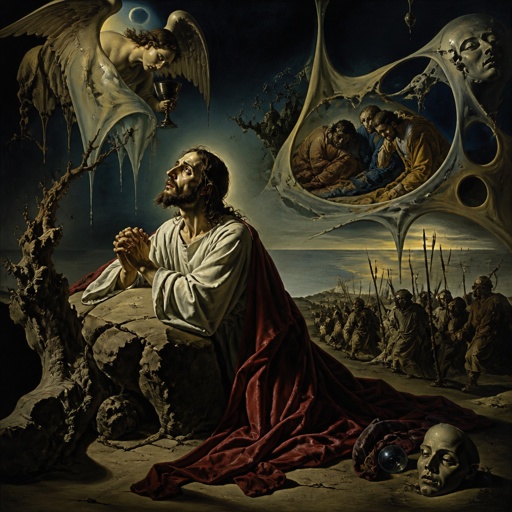
Matthew 26:36-46

Matthew 9:21-22

Matthew 9:21-22

Matthew 9:21-22

Matthew 9:21-22

Matthew 22:22 - "When they had heard these words, they marvelled, and left him, and went their way."

Matthew 6:22

Matthew 6:22

Luke 16:22-26

Matthew 26:26 - "¶ And as they were eating, Jesus took bread, and blessed it, and brake it, and gave it to the disciples, and said, Take, eat; this is my body."

Matthew 6:22

Leviticus 22:26 - "¶ And the LORD spake unto Moses, saying,"

Matthew 9:26 - "And the fame hereof went abroad into all that land."