The Alabaster Box: A Life Poured Out in Devotion
“There came unto him a woman having an alabaster box of very precious ointment, and poured it on his head, as he sat at meat.” — Matthew 26:7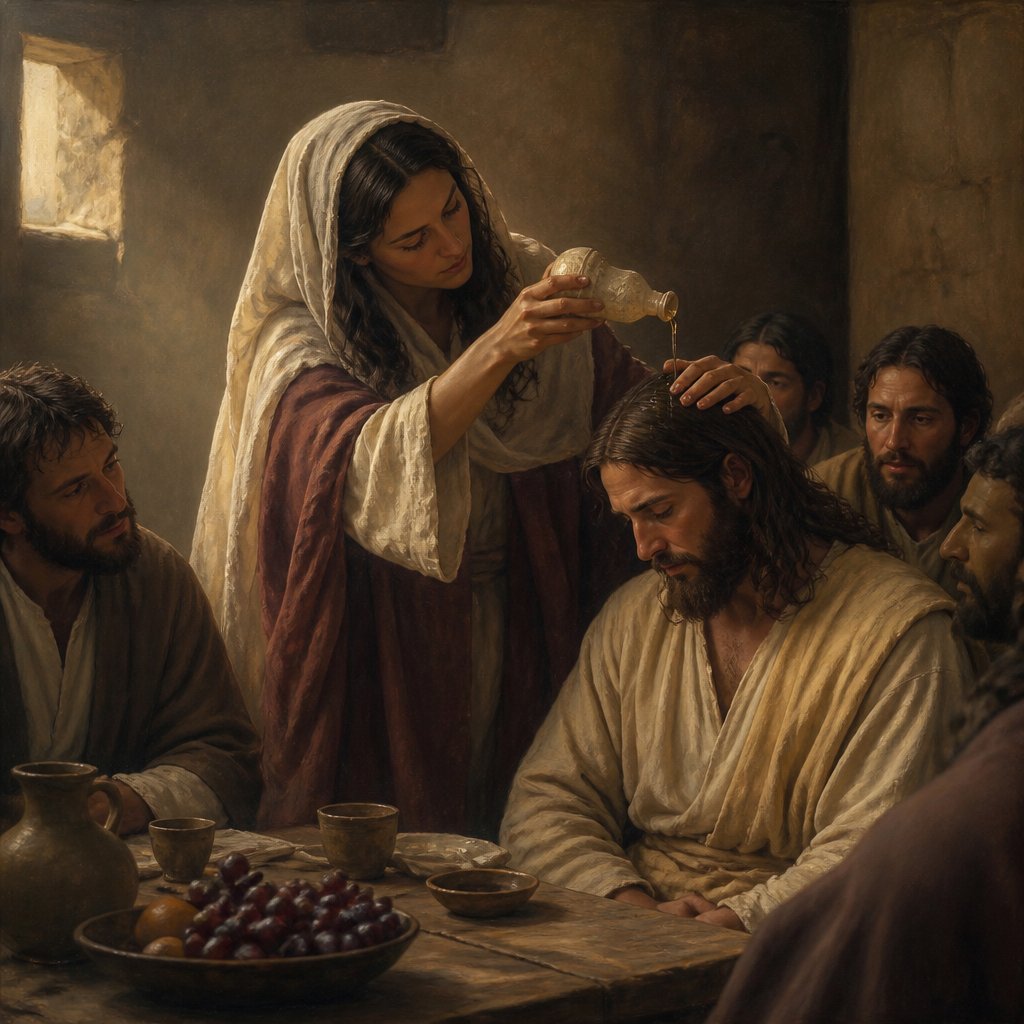
In Matthew 26:7, we read, “There came unto him a woman having an alabaster box of very precious ointment, and poured it on his head, as he sat at meat.” This profound passage encapsulates a moment of unspeakable devotion, an act that reverberates through the ages, speaking volumes about love, sacrifice, and reverence.
The backdrop of this scene is significant. Jesus is nearing the end of His earthly ministry, heading toward His crucifixion. He is in the home of Simon the leper, surrounded by disciples grappling with the brewing storm of events that would soon unfold. People were questioning Him, plans were being laid for His betrayal, and the atmosphere was thick with tension. Yet, in the midst of this chaos, a woman emerges—a figure of utter devotion.
The woman is identified traditionally as Mary of Bethany, the sister of Martha and Lazarus. In a culture where women were often overlooked, her actions stand out dramatically. She approaches Jesus with an alabaster box—a vessel of exquisite beauty, crafted to hold precious ointment. The ointment inside was not just any fragrance; it was “very precious.” In the KJV, the Greek word used implies a rare and costly substance, symbolizing the highest expression of value.
By breaking open this alabaster box and pouring its contents over Jesus’ head, Mary is making a statement. The act of anointing was not merely an act of hospitality; it was one of honor and worship. In the Old Testament, anointing someone’s head with oil was a sacred gesture reserved for prophets, priests, and kings. Here, Mary acknowledges Jesus not just as a teacher or friend—but as the Messiah, the King of Kings. She offered Him her utmost despite the disdain and criticism it invited.
As we reflect on this moment, we must consider the cost of her devotion. The value of the ointment is later noted to be worth a year’s wages—a staggering sum. Mary’s choice to pour out something so precious indicates that she valued her relationship with Jesus more than her own possessions or societal expectations. In contrast, the disciples, specifically Judas Iscariot, look on with resentment, exclaiming that the ointment could have been sold and the proceeds given to the poor. They failed to see the beauty of the moment; they were more concerned with the practical than with the profound.
In our own lives, how often do we permit practicality to overshadow the call to extravagant devotion? The world tempts us to hold back—"Be reasonable. Don’t give too much of yourself. Preserve your time, resources, and energy for security.” Yet, Mary's act challenges us to abandon such thoughts. What might it look like to break open our own alabaster boxes—those areas in our lives that we guard most tightly—and pour them out at the feet of Jesus?
Consider your alabaster boxes: your talents, your resources, your time, or perhaps your heart. What valuable things are you withholding from God? Are you allowing the fear of judgment or the expectation of the world to keep you from pouring out your life in worship? The woman with the alabaster box teaches us that true devotion sometimes requires breaking free from societal norms and expectations.
May we learn to delight in the sweetness of pouring out our lives in service to Jesus, willing to sacrifice the precious and the costly for the sake of the One who holds the ultimate treasure—our relationship with Him. Let us not merely contemplate our devotion but find ways to demonstrate it in concrete actions and choices. What will you pour out to Christ today?
In a world that often values the loudest voice and the most tangible results, let us be women and men who embrace an alabaster-box Christianity—where every act of love, every ounce of worship, is freely given. That is the kind of devotion Jesus values.
Get our apps


Artwork for Matthew 26:7

Matthew 26:7 - "There came unto him a woman having an alabaster box of very precious ointment, and poured it on his head, as he sat at meat."
"There came unto him a woman having an alabaster box of very precious ointment, and poured it on his head, as he sat at meat." - Matthew 26:7

Matthew 7:26 - "And every one that heareth these sayings of mine, and doeth them not, shall be likened unto a foolish man, which built his house upon the sand:"

Matthew 26:25

Matthew 26:15

Matthew 19:26

Matthew 26:15

Matthew 27:26

Matthew 27:26

Matthew 26:53

Matthew 26:65

Matthew 26:41

Matthew 26:53
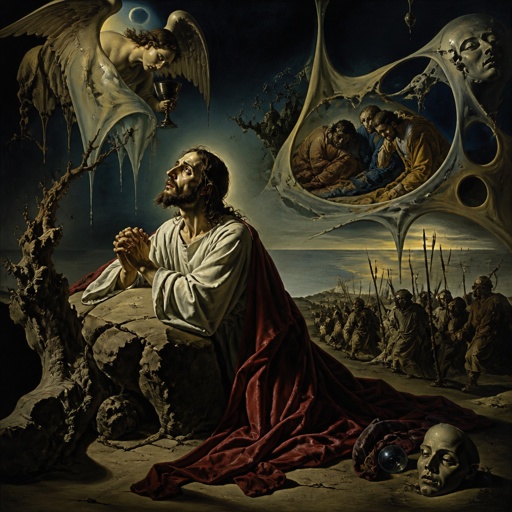
Matthew 26:36-46
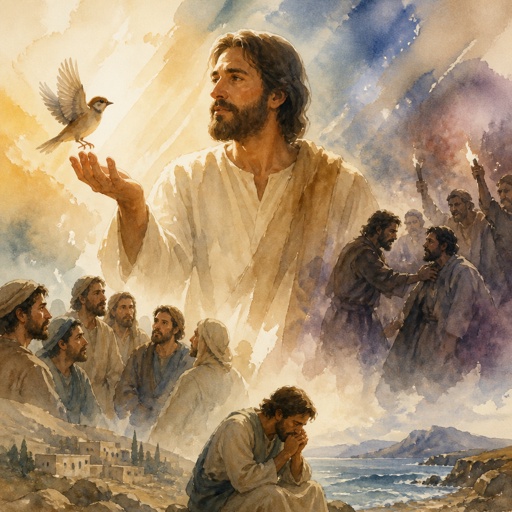
Matthew 10:26-33

Matthew 26:26 - "¶ And as they were eating, Jesus took bread, and blessed it, and brake it, and gave it to the disciples, and said, Take, eat; this is my body."

Matthew 7:7

Matthew 22:26 - "Likewise the second also, and the third, unto the seventh."

Matthew 9:26 - "And the fame hereof went abroad into all that land."

Matthew 26:54 - "But how then shall the scriptures be fulfilled, that thus it must be?"

Matthew 26:6 - "¶ Now when Jesus was in Bethany, in the house of Simon the leper,"

Matthew 26:4 - "And consulted that they might take Jesus by subtilty, and kill him."

Matthew 26:5 - "But they said, Not on the feast day, lest there be an uproar among the people."

Matthew 26:16 - "And from that time he sought opportunity to betray him."

Proverbs 7:26

Matthew 26:72 - "And again he denied with an oath, I do not know the man."

Matthew 11:26 - "Even so, Father: for so it seemed good in thy sight."

Matthew 26:20 - "Now when the even was come, he sat down with the twelve."

Matthew 26:30 - "And when they had sung an hymn, they went out into the mount of Olives."

Matthew 26:66 - "What think ye? They answered and said, He is guilty of death."