The Sovereign Silence: Jesus Before Pilate
“And Jesus stood before the governor: and the governor asked him, saying, Art thou the King of the Jews? And Jesus said unto him, Thou sayest.” — Matthew 27:11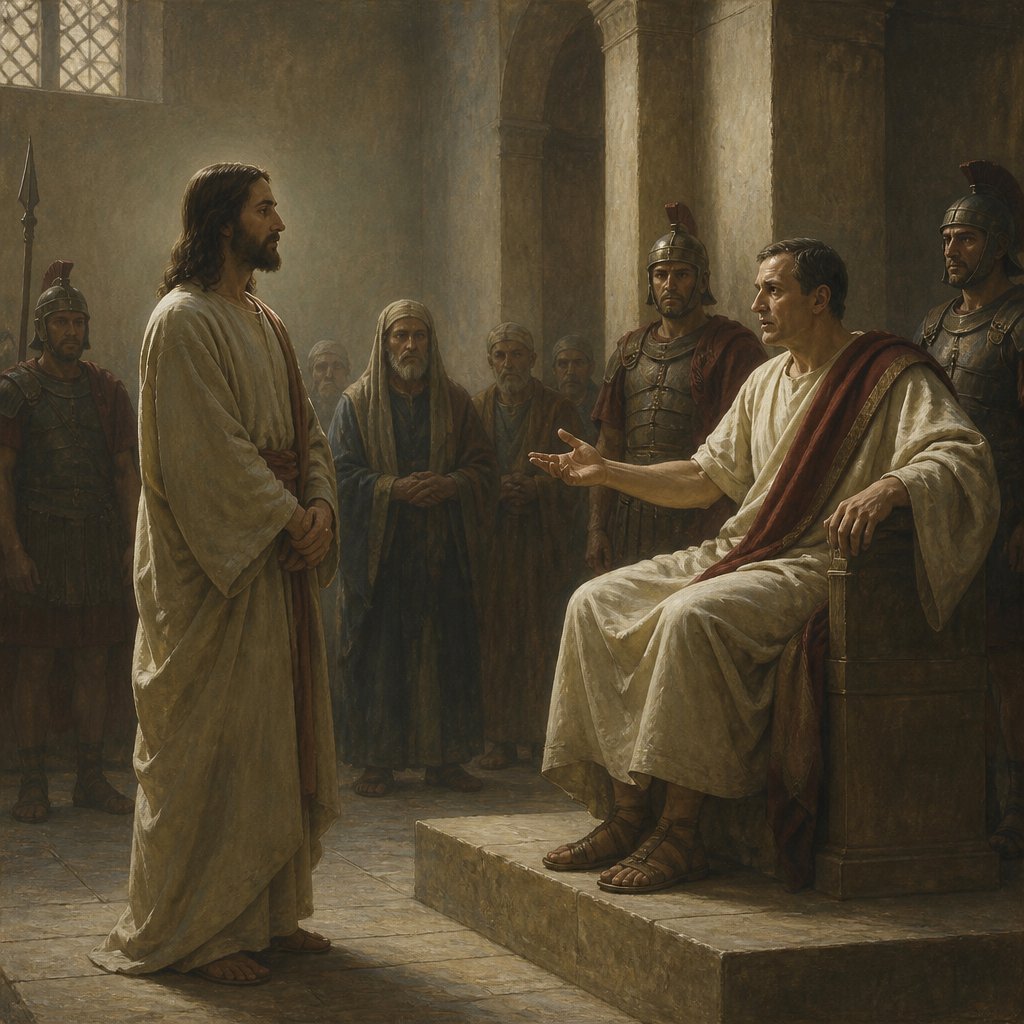
In the heart of the Passion narrative, we find a pivotal moment that encapsulates the profound mystery of Christ’s kingship and the depth of human misunderstanding. Matthew 27:11 recounts, “And Jesus stood before the governor: and the governor asked him, saying, Art thou the King of the Jews? And Jesus said unto him, Thou sayest.” This brief exchange is rich with theological significance, cradling the essence of Christ’s purpose amidst the chaos of betrayal, false accusations, and impending crucifixion.
Jesus finds Himself standing trial before Pontius Pilate, the Roman governor, at a moment when the weight of the world rests heavily upon His shoulders. Here, the King of Kings, the very Creator of the universe, faces a mere man wielding earthly power. What unfolds in this moment is not merely a legal inquiry but a profound revelation of identity, authority, and the nature of the kingdom that Jesus embodies.
Pilate’s question, “Art thou the King of the Jews?” reflects the perception held by many regarding the Messiah—a political liberator who would restore Israel’s glory and overthrow Roman domination. It presumes misunderstanding of the nature of Christ’s kingship. In a world that often equates power with political sovereignty, Pilate’s question aligns with the expectations of a populace steeped in hope yet marred by disillusionment. Yet, while the inquiry carries cultural weight, Jesus’s response, “Thou sayest,” is subtle yet monumental, affirming His identity without indulging in the misconceptions associated with earthly kings.
The phrase “Thou sayest” hints at a truth that transcends human understanding. It implies that while Pilate sees Jesus only as a threat to Roman order, Jesus embodies a far greater reality—the spiritual kingship over all creation. Jesus, in His silence and restraint, chooses not to defend Himself against accusations. Instead, He stands in quiet strength, perfectly fulfilling prophetic scripture, and illustrating the weight of His mission. This moment serves as a pivotal example of how Jesus redefined authority—not through force or coercion but through love, sacrifice, and the ultimate act of servanthood on the cross.
As we reflect on this divine encounter, we are drawn to consider our own perceptions of Jesus. Are we sometimes like Pilate, viewing Christ through the lens of our own expectations and societal values? Do we box Him into roles that fit our own narrative, perhaps desiring Him to be a figure that meets our temporal needs or political aspirations? In a world rife with conflicts, injustices, and desperate cries for hope, it is easy to impose our understandings upon the divine.
Yet, Jesus stands before us in His majestic humility, beckoning us to see Him not only as the King of the Jews but the reigning King over our hearts. This exchange invites a response from us; it calls us to acknowledge who Jesus truly is in the fullness of His lordship and not just as a figure within the confines of religion or cultural expectations. Understanding Jesus as our King transforms our lives—it challenges us to follow Him into the depths of self-denial, service, and love.
In the midst of turmoil in our lives or world events that shake our faith, let us remember Jesus’s posture before Pilate. He faced ridicule, suffering, and injustice, yet He retained His focus on the divine mission of redemption. As we navigate our journeys, let us learn from Christ’s example of unwavering purpose and grace.
As we meditate on this passage, let us ask ourselves: Who is Jesus to us? Are we willing to follow Him beyond our limited scope into the vastness of His kingdom, a kingdom characterized not by worldly power, but by sacrificial love? This is the true essence of the King we serve—worthy of devotion, submission, and our utmost trust.
Get our apps


Artwork for Matthew 27:11

Images that depicts the verse Matthew 27:11-34
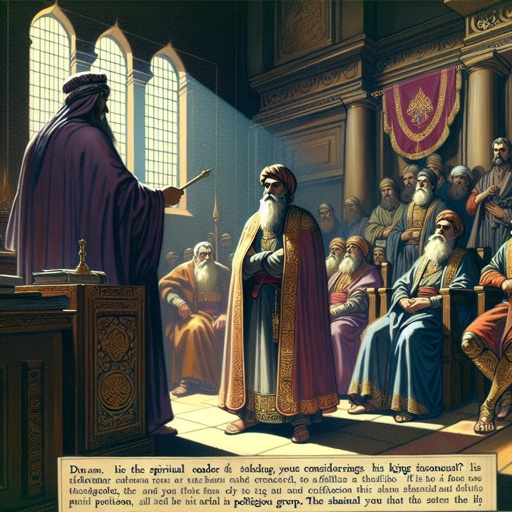
Matthew 27:11 - "And Jesus stood before the governor: and the governor asked him, saying, Art thou the King of the Jews? And Jesus said unto him, Thou sayest."
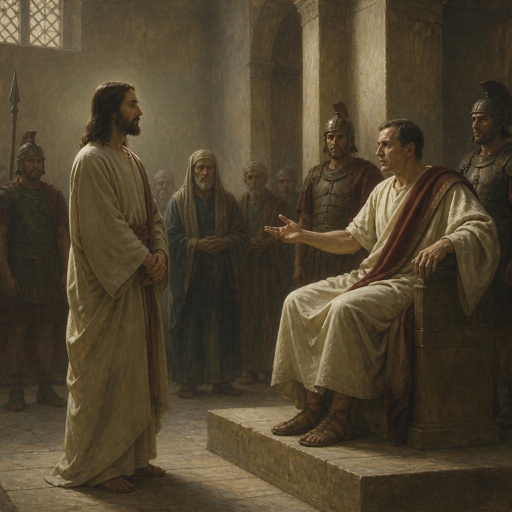
"And Jesus stood before the governor: and the governor asked him, saying, Art thou the King of the Jews? And Jesus said unto him, Thou sayest." - Matthew 27:11

Matthew 27:11-26 - "Matthew 27:11-26 Jesus stood before the governor, and the governor asked him, “Are you the king of the Jews?” Jesus replied, “You have said so.” But when he was accused by the chief priests and the elders, he gave no answer. Then Pilate said to him, “Don't you hear the testimony they are bringing against you?” But Jesus made no reply, not even to a single charge, to the great amazement of the governor. Now it was the governor's custom at the festival to release a prisoner chosen by the crowd. At that time they had a well-known prisoner whose name was Jesus Barabbas. So when the crowd had gathered, Pilate asked them, “Which one do you want me to release to you: Jesus Barabbas, or Jesus who is called the Messiah?” For he knew it was out of self-interest that they had handed Jesus over to him. While Pilate was sitting on the judge’s seat, his wife sent him this message: “Don't have anything to do with that innocent man, for I have suffered a great deal today in a dream because of him.” But the chief priests and the elders persuaded the crowd to ask for Barabbas and to have Jesus executed. “Which of the two do you want me to release to you?” asked the governor. “Barabbas,” they answered. “What shall I do, then, with Jesus who is called the Messiah?” Pilate asked. They all answered, “Crucify him!” “Why? What crime has he committed?” asked Pilate. But they shouted all the louder, “Crucify him!” When Pilate saw that he was getting nowhere, but that instead an uproar was starting, he took water and washed his hands in front of the crowd. “I am innocent of this man’s blood,” he said. “It is your responsibility!” All the people answered, “His blood is on us and on our children!” Then he released Barabbas to them. But he had Jesus flogged, and handed him over to be crucified."
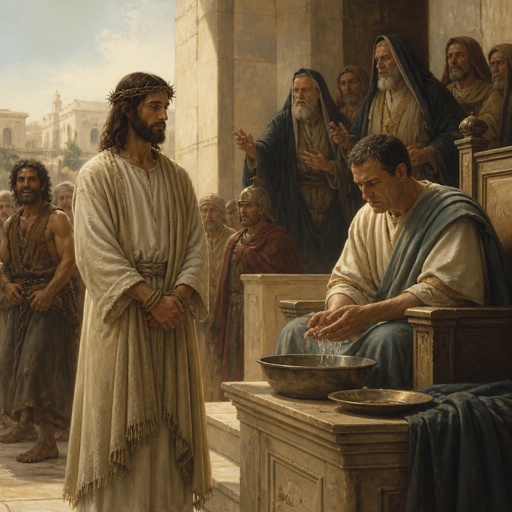
"Matthew 27:11-26 Jesus stood before the governor, and the governor asked him, “Are you the king of the Jews?” Jesus replied, “You have said so.” But when he was accused by the chief priests and the elders, he gave no answer. Then Pilate said to him, “Don't you hear the testimony they are bringing against you?” But Jesus made no reply, not even to a single charge, to the great amazement of the governor. Now it was the governor's custom at the festival to release a prisoner chosen by the crowd. At that time they had a well-known prisoner whose name was Jesus Barabbas. So when the crowd had gathered, Pilate asked them, “Which one do you want me to release to you: Jesus Barabbas, or Jesus who is called the Messiah?” For he knew it was out of self-interest that they had handed Jesus over to him. While Pilate was sitting on the judge’s seat, his wife sent him this message: “Don't have anything to do with that innocent man, for I have suffered a great deal today in a dream because of him.” But the chief priests and the elders persuaded the crowd to ask for Barabbas and to have Jesus executed. “Which of the two do you want me to release to you?” asked the governor. “Barabbas,” they answered. “What shall I do, then, with Jesus who is called the Messiah?” Pilate asked. They all answered, “Crucify him!” “Why? What crime has he committed?” asked Pilate. But they shouted all the louder, “Crucify him!” When Pilate saw that he was getting nowhere, but that instead an uproar was starting, he took water and washed his hands in front of the crowd. “I am innocent of this man’s blood,” he said. “It is your responsibility!” All the people answered, “His blood is on us and on our children!” Then he released Barabbas to them. But he had Jesus flogged, and handed him over to be crucified." - Matthew 27:11-26

Matthew 11:27 - "All things are delivered unto me of my Father: and no man knoweth the Son, but the Father; neither knoweth any man the Father, save the Son, and he to whomsoever the Son will reveal him."

Matthew 27:26

Matthew 27:46

Matthew 27:35

Matthew 24:27
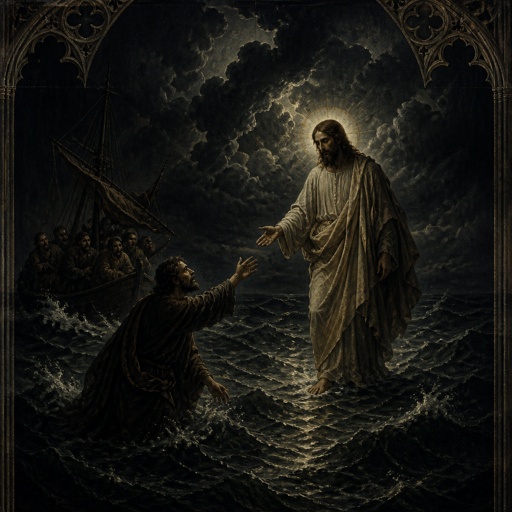
Matthew 14:27
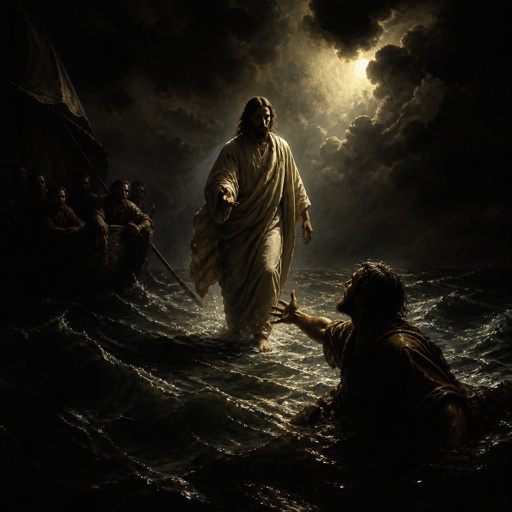
Matthew 14:27
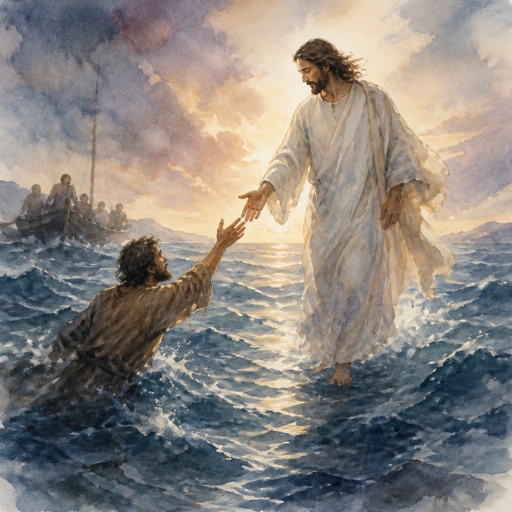
Matthew 14:27

Matthew 27:26

Matthew 27: 38

Matthew 27:27 - "Then the soldiers of the governor took Jesus into the common hall, and gathered unto him the whole band of soldiers."

Matthew 7:24-27

Matthew 27:36 - "And sitting down they watched him there;"

Matthew 27:16 - "And they had then a notable prisoner, called Barabbas."

Matthew 22:27 - "And last of all the woman died also."

Matthew 27:39 - "¶ And they that passed by reviled him, wagging their heads,"

Matthew 27:18 - "For he knew that for envy they had delivered him."

Matthew 27:28 - "And they stripped him, and put on him a scarlet robe."

Matthew 27:8 - "Wherefore that field was called, The field of blood, unto this day."

Matthew 3:11

Matthew 3:11

Matthew 3:11

Matthew 3:11

Matthew 3:11

Matthew 3:11