The Potter's Field: A Place of Redemption
“And they took counsel, and bought with them the potter’s field, to bury strangers in.” — Matthew 27:7
The verse from Matthew 27:7 states, "And they took counsel, and bought with them the potter's field, to bury strangers in." This passage, while often overlooked, is rich with layers of meaning and profound implications that can reveal the heart of our God, especially in terms of redemption, grace, and divine purpose.
To set the context, we find ourselves at a pivotal moment in the narrative of Christ's passion—the betrayal of Judas Iscariot. After realizing the catastrophic consequences of his actions in betraying Jesus, Judas is filled with remorse. He returns to the Chief Priests and Elders to return the thirty pieces of silver, only to find that his remorse does not inspire repentance nor restoration; they show no mercy, and he is turned away. Deeply tormented, Judas ultimately takes his own life, marking one of the most tragic ends in the biblical narrative.
The Chief Priests, finding themselves with bloodmoney, decide to buy a ‘potter's field’—a place infamous for its association with death and disgrace. The field was bought, as the text confirms, to bury strangers. This may seem a harsh act, but it is deeply symbolic of how the world often responds to sin and guilt. They took a small counsel and bought an inconsequential piece of land devoid of value in the eyes of society, a sign of their shameful deed.
But what does this dead field signify for us today? It reflects the attitudes of society toward sin. Much like the potter's field, humanity often seeks to dispose of what it deems unworthy or of no value. Strangers, the outcasts from society, were buried there—those who had no place, no name, and no recognition of their value. This direct action of the Chief Priests shades a darker reality of how society often tags individuals as disposable when they fall outside the parameters of acceptance.
However, let us pull back from the bleak narrative and notice God’s redemptive signature woven through this distressing scenario. The fact that the potter’s field was purchased—an act of ownership—indicates that even the seemingly worthless can have purpose ordained by God. This field was not just a burial ground; it foreshadowed a powerful truth: God can take despairing situations, filled with shame and guilt, and transform them into foundations for His glory.
What does the potter symbolize? In Jeremiah 18:6, God refers to Himself as a potter, molding and shaping our lives. In the same way that a potter uses clay to create vessels of beauty and utility, God is able to take our brokenness—the very reasons we think we are trash—and use them in the scheme of His divine artistry.
Furthermore, as believers, we understand that the field bought with blood money serves as a reminder of whence we come. Just like the strangers buried there, before Christ, we were strangers to God. We were lost in sin, without hope, without a country—dead in our transgressions. Yet, through the sacrifice of Christ, we find our worth restored. We are now called children of God, adopted into His family, and heirs to the eternal promise.
As we reflect on today’s verse, let it be inscribed upon our hearts that in every potter's field—the dark places in our lives, where we feel discarded and lost—there exists potential for a resurrection. In Christ, we are given not only a new life but a new purpose. Therefore, as we seek God, let us also extend the grace we have received to others who may feel like they are occupying their own potter’s field, buried under guilt or shame.
In the hands of the divine Potter, we are transformed from the worthlessness of our past into vessels of honor. Embrace the truth that every field once filled with dead things can produce for His kingdom anew. In our mourning, He brings joy; in our ashes, He raises beauty.
Let this message thrive within us, knowing that even in the most distressing places, God is at work—the ultimate potter, creating life from death.
Get our apps


Artwork for Matthew 27:7

Matthew 27:7 - "And they took counsel, and bought with them the potter's field, to bury strangers in."

"And they took counsel, and bought with them the potter's field, to bury strangers in." - Matthew 27:7

Matthew 7:24-27

Matthew 7:27 - "And the rain descended, and the floods came, and the winds blew, and beat upon that house; and it fell: and great was the fall of it."

Matthew 27:46

Matthew 27:35

Matthew 24:27

Matthew 27:26

"And the rain descended, and the floods came, and the winds blew, and beat upon that house; and it fell: and great was the fall of it." - Matthew 7:27
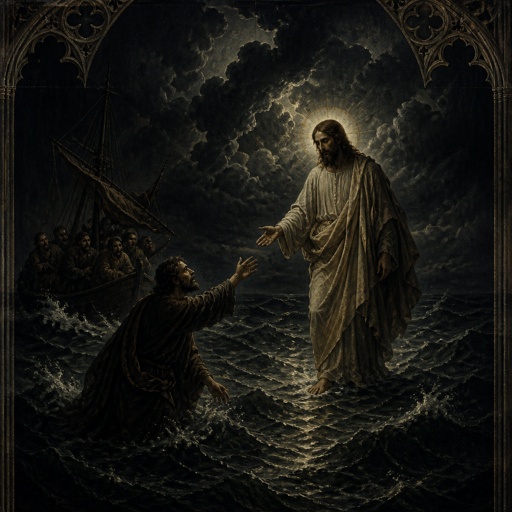
Matthew 14:27
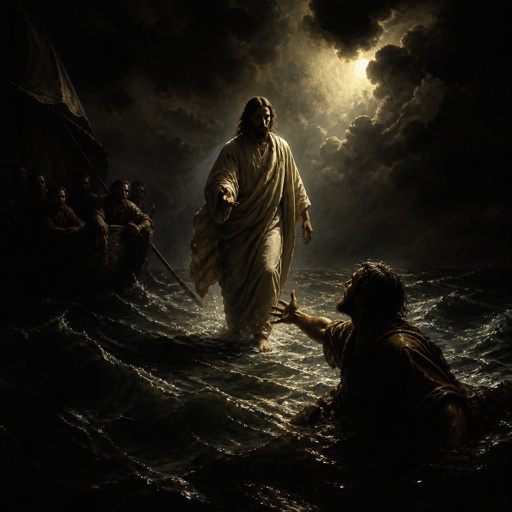
Matthew 14:27
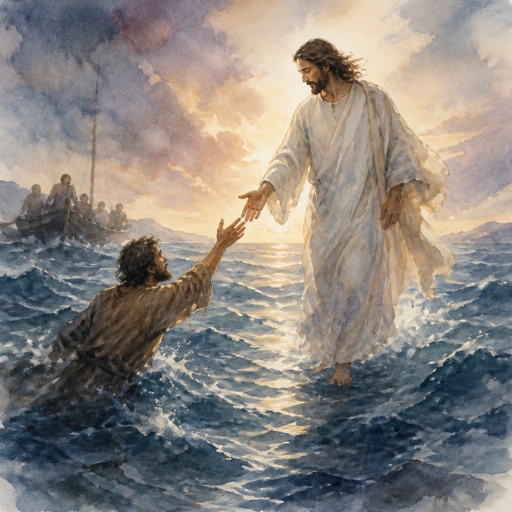
Matthew 14:27

Matthew 27:26

Matthew 27: 38

Matthew 27:27 - "Then the soldiers of the governor took Jesus into the common hall, and gathered unto him the whole band of soldiers."

Matthew 27:36 - "And sitting down they watched him there;"

Matthew 27:16 - "And they had then a notable prisoner, called Barabbas."

Matthew 22:27 - "And last of all the woman died also."

Matthew 27:39 - "¶ And they that passed by reviled him, wagging their heads,"

Matthew 27:18 - "For he knew that for envy they had delivered him."

Matthew 7:7

Matthew 27:28 - "And they stripped him, and put on him a scarlet robe."

Matthew 27:8 - "Wherefore that field was called, The field of blood, unto this day."

Matthew 27:10 - "And gave them for the potter's field, as the Lord appointed me."

Matthew 27:61 - "And there was Mary Magdalene, and the other Mary, sitting over against the sepulchre."

Matthew 20:27 - "And whosoever will be chief among you, let him be your servant:"

Matthew 27:30 - "And they spit upon him, and took the reed, and smote him on the head."

Matthew 27:41 - "Likewise also the chief priests mocking him, with the scribes and elders, said,"

Matthew 18:27 - "Then the lord of that servant was moved with compassion, and loosed him, and forgave him the debt."

Matthew 27:52 - "And the graves were opened; and many bodies of the saints which slept arose,"