The Field of Blood: A Place of Reflection and Redemption
“Wherefore that field was called, The field of blood, unto this day.” — Matthew 27:8
Matthew 27:8 reminds us, "Wherefore that field was called, The field of blood, unto this day." This solemn verse encapsulates a moment in biblical history filled with betrayal, regret, and the infamous consequences of greed. To fully appreciate the impact of these words, we must delve into the context surrounding them and what they signify for us today.
The story begins with the betrayal of Jesus by Judas Iscariot. For thirty pieces of silver—an amount that was neither extravagant nor sufficient to compensate for the life of an innocent man—Judas exchanged the Lord for a pittance. In his moment of greed, he may have thought he was gaining something valuable, but in reality, he was about to lose everything that mattered. After realizing the weight of his mistake, Judas returned to the chief priests, overwhelmed with guilt, shouting, "I have sinned in that I have betrayed the innocent blood" (Matthew 27:4).
This declaration is pivotal. Judas acknowledges that his actions had eternal implications, and those implications lead him to throw the silver pieces into the temple before committing suicide. The priests, recognizing the bloodguilt in their hands and unwilling to use the fallen silver to support the temple treasury, decided to purchase a potter's field to bury strangers. Thus, the field earned its name: "The field of blood" (Matthew 27:8).
As we reflect on the Field of Blood, we encounter profound themes of consequences and the weight of sin. The very ground, stained by the betrayal and remorse of Judas, became a graveyard—a dumping ground for strangers. It serves as a stark reminder of how sin leads to death. Just as Judas' actions resulted in a literal death, the spiritual ramifications remind us that sin separates us from God and can lead us to spiritual death if unaddressed.
However, the Field of Blood is not just a site of despair. It is a place of reflection and, ultimately, of redemption. Every time we recount this field, we have the opportunity to examine our own hearts. Are we like Judas, tempted by the allure of what the world offers, trading away our integrity, faith, or relationships for temporary satisfaction? The field stands as a spiritual landmark—a reminder that although sin may lead to death, the story does not end in hopelessness.
In the same breath, we can recognize that Jesus' ultimate sacrifice on the cross redeems every betrayal and regret. The very blood that stains the field of blood symbolizes the cleansing power of Christ’s sacrifice. It boldly proclaims that while we are all deserving of condemnation due to our sins, grace is available through Jesus. Just as the blood spilled by Christ covers our transgressions, it eradicates the separation caused by our mistakes.
Though the field remains a somber testament to the betrayal and consequences of sin, it also beckons us to open our hearts to the promise of forgiveness and transformation. Understanding the nature of sin should not drown us in despair, but rather humble us to seek genuine repentance. Just as Judas experienced remorse and acknowledged his wrongdoing, we too can bring our guilt before God, who promises to forgive those who turn to Him.
In this season of reflection, let us consider what may need to be buried in our fields. What are the betrayals in our lives that need healing? What regrets do we carry? As we repair our relationship with God, let us leave our guilt at His feet, acknowledging that He can redeem every dark place in our lives.
In closing, the field of blood is not just a historical site; it is a personal call to repentance, reflection, and ultimately, hope. In acknowledging our sins, we open ourselves to His grace, leading us away from the shadows of betrayal toward the light of redemption. May we never forget that while the blood may stain, it also cleanses and restores.
Get our apps


Artwork for Matthew 27:8

Matthew 27:8 - "Wherefore that field was called, The field of blood, unto this day."

"Wherefore that field was called, The field of blood, unto this day." - Matthew 27:8

Matthew 8:27 - "But the men marvelled, saying, What manner of man is this, that even the winds and the sea obey him!"

"But the men marvelled, saying, What manner of man is this, that even the winds and the sea obey him!" - Matthew 8:27

Matthew 27:46

Matthew 27:35

Matthew 24:27

Matthew 27:26
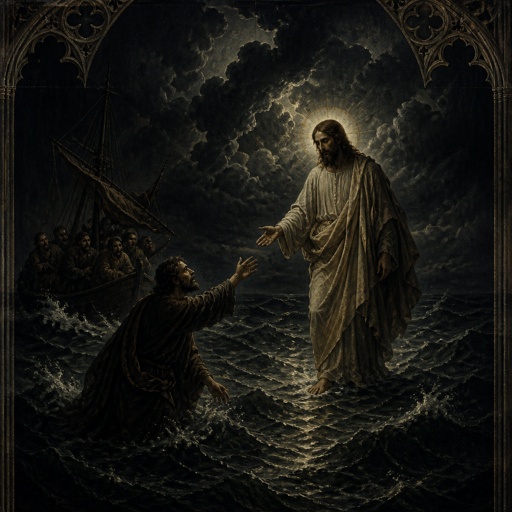
Matthew 14:27
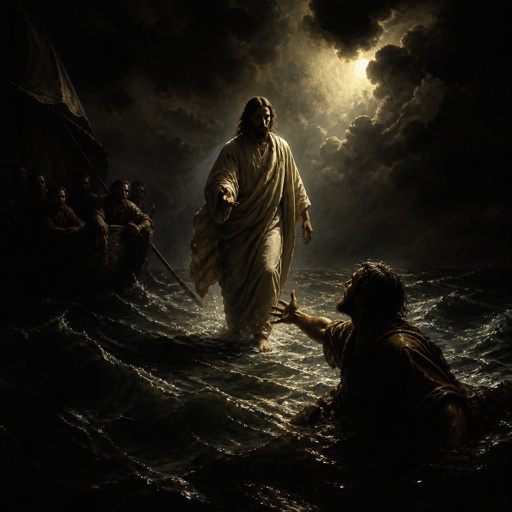
Matthew 14:27
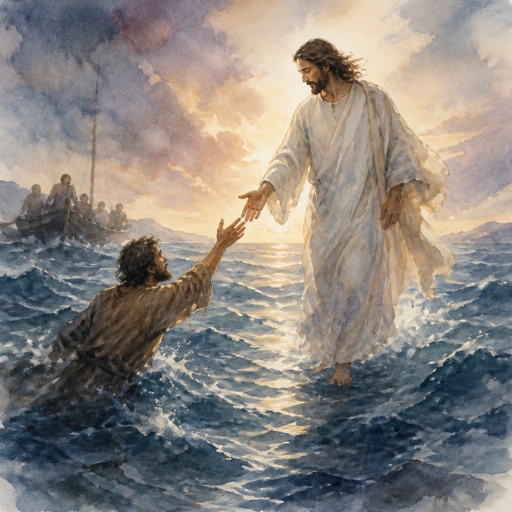
Matthew 14:27

Matthew 27:26

Matthew 27: 38

Matthew 27:27 - "Then the soldiers of the governor took Jesus into the common hall, and gathered unto him the whole band of soldiers."

Matthew 7:24-27

Matthew 27:36 - "And sitting down they watched him there;"

Matthew 27:16 - "And they had then a notable prisoner, called Barabbas."

Matthew 22:27 - "And last of all the woman died also."

Matthew 27:39 - "¶ And they that passed by reviled him, wagging their heads,"

Matthew 27:18 - "For he knew that for envy they had delivered him."

Matthew 27:28 - "And they stripped him, and put on him a scarlet robe."

Psalm 27:8

Psalm 27:8

Matthew 27:10 - "And gave them for the potter's field, as the Lord appointed me."

Matthew 27:7 - "And they took counsel, and bought with them the potter's field, to bury strangers in."

Matthew 8:13

Matthew 8:13

Matthew 8:13

Matthew 8:32

Matthew 8:32