The Cry of the Heart: Understanding the Choice to Crucify Christ
“And the governor said, Why, what evil hath he done? But they cried out the more, saying, Let him be crucified.” — Matthew 27:23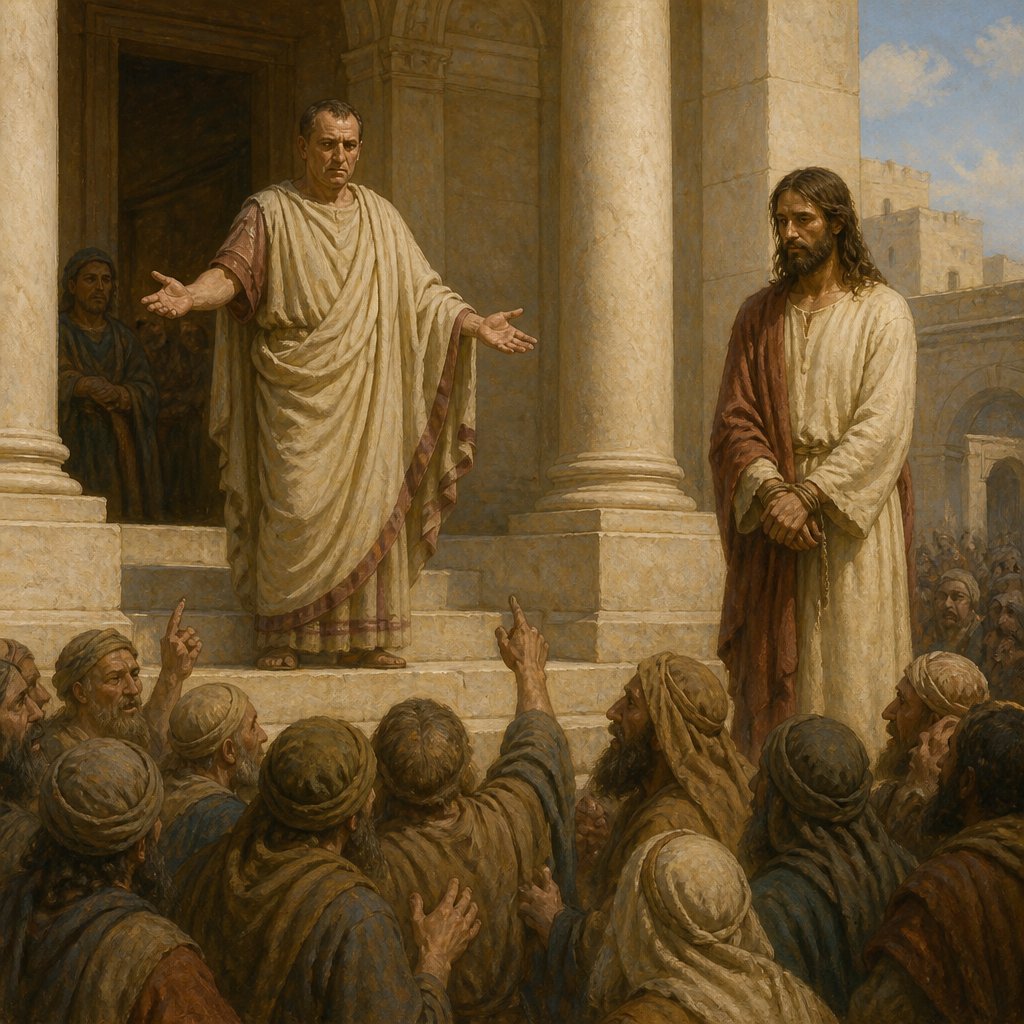
In the heart of Matthew 27:23 we find a poignant moment in the narrative of Christ's crucifixion. The verse reads, "And the governor said, Why, what evil hath he done? But they cried out the more, saying, Let him be crucified." This moment offers profound insight not only into the events that led to the crucifixion but also into the human condition, our propensity to reject truth, and the implications of our choices.
As we explore this moment in history, we must understand the context. Pilate, the governor, stood as a pivotal figure, a man holding the weight of authority and responsibility. Faced with Jesus, a man accused of blasphemy yet who had committed no crime, Pilate’s question resonates with his own bewilderment. "What evil hath he done?" he asks, indicating his awareness of Jesus' innocence. It reflects his internal conflict as he grapples with the accusations brought against the Messiah. Pilate's question invites us to reflect on the nature of injustice and the tendency of society to scapegoat the innocent.
The people’s response is inevitable. "But they cried out the more, saying, Let him be crucified." Their fervor, escalated by the influence of the religious leaders and their own fears, ushers in a tragic wave of collective decision-making devoid of true contemplation. In their desire for release from the authority of Roman rule and the chaos of their spiritual lives, they choose to turn against the very one who came to save them. This cry, devoid of justice and steeped in turmoil, becomes a symbol of human fragility and the perilous impact of mob mentality.
But what does this mean for us today? The crowds’ disregard for truth, their rejection of compassion, foreshadow a tendency found throughout history and even within our own hearts. We often find ourselves caught in the whirlwind of cultural pressures, societal expectations, and the relentless pursuit of what seems beneficial in the moment. This instance in Matthew serves as a reminder of the weight of our choices—the potential they have to either stir us towards truth or plunge us into darkness.
Consider the implications of crying out, "Let him be crucified." In their rejection of Jesus, the people chose to suppress the truth of His goodness. How often do we, too, cry out in our daily lives in ways that reflect ignorance or fear? Are there areas in our lives where we choose to silence the voice of Christ, opting for what feels safer, more in line with popular opinion, or less taxing on our comfort? Just as Pilate sought a way out, we can be tempted to appease those around us rather than stand firm in our faith.
This verse calls us not only to recognize our own frailty in judgment but also invites us to embrace the courage required to face the uncomfortable truths in our lives. It challenges us to reflect on the nature of our own cries. Are we crying out for justice, for humility, for love? Or are we unwittingly contributing to the crucifixion of Christ once more by rejecting Him in our actions and decisions?
Furthermore, we can glean hope from this dialogue. Pilate’s questions imply a yearning for truth amidst confusion. In our walk of faith, we can find comfort in bringing our questions to God—asking Him to reveal the ways in which we may inadvertently contribute to injustice, and seeking to live in a manner that brings glory rather than defamation to Christ’s name.
Lastly, let us remember that while the crowd’s voice was loud and profound, Jesus remained resolute. In my devotions, I find peace knowing that even in the face of rebellion and tumult, God’s purposes prevail. Even as humanity cried out for crucifixion, God’s plan for redemption was already at work.
In conclusion, Matthew 27:23 challenges us to introspect: What do our choices reflect? Are we contributing to a culture that turns away from Christ, or are we embracing the truth of His message? May we seek to elevate our voices for justice and mercy, inspired by the one who endured the unjust cries of the crowd, ultimately showcasing the depth of His love through the sacrifice of the cross.
Get our apps


Artwork for Matthew 27:23

Matthew 27:23 - "And the governor said, Why, what evil hath he done? But they cried out the more, saying, Let him be crucified."
"And the governor said, Why, what evil hath he done? But they cried out the more, saying, Let him be crucified." - Matthew 27:23

Matthew 23:27 - "Woe unto you, scribes and Pharisees, hypocrites! for ye are like unto whited sepulchres, which indeed appear beautiful outward, but are within full of dead men's bones, and of all uncleanness."

Matthew 27:46

Matthew 27:35

Matthew 24:27

Matthew 27:26

Matthew 6:23
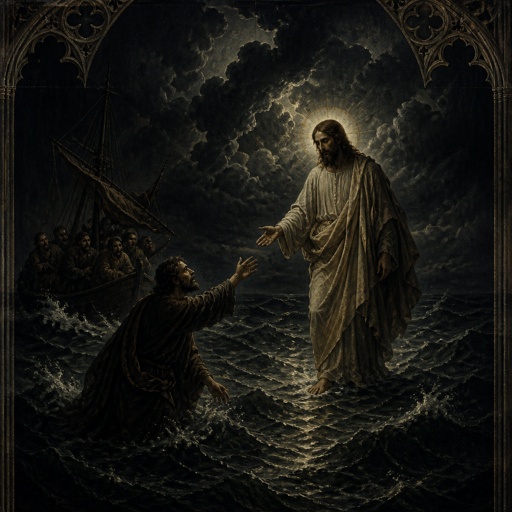
Matthew 14:27

Matthew 14:27

Matthew 14:27

Matthew 27:26

Matthew 27: 38

Exodus 23:27-28

Matthew 27:27 - "Then the soldiers of the governor took Jesus into the common hall, and gathered unto him the whole band of soldiers."

Matthew 25:23

Matthew 2:23

Matthew 15:23

Matthew 2:23

Matthew 23:12

Matthew 23:12

Matthew 7:24-27

Matthew 27:36 - "And sitting down they watched him there;"

Matthew 27:16 - "And they had then a notable prisoner, called Barabbas."

Matthew 2:23

Matthew 23:28

Matthew 25:23

MATTHEW 28: 23

Matthew 15:23

matthew 7:23