What does Matthew 27:23 mean?
“And the governor said, Why, what evil hath he done? But they cried out the more, saying, Let him be crucified.” — Matthew 27:23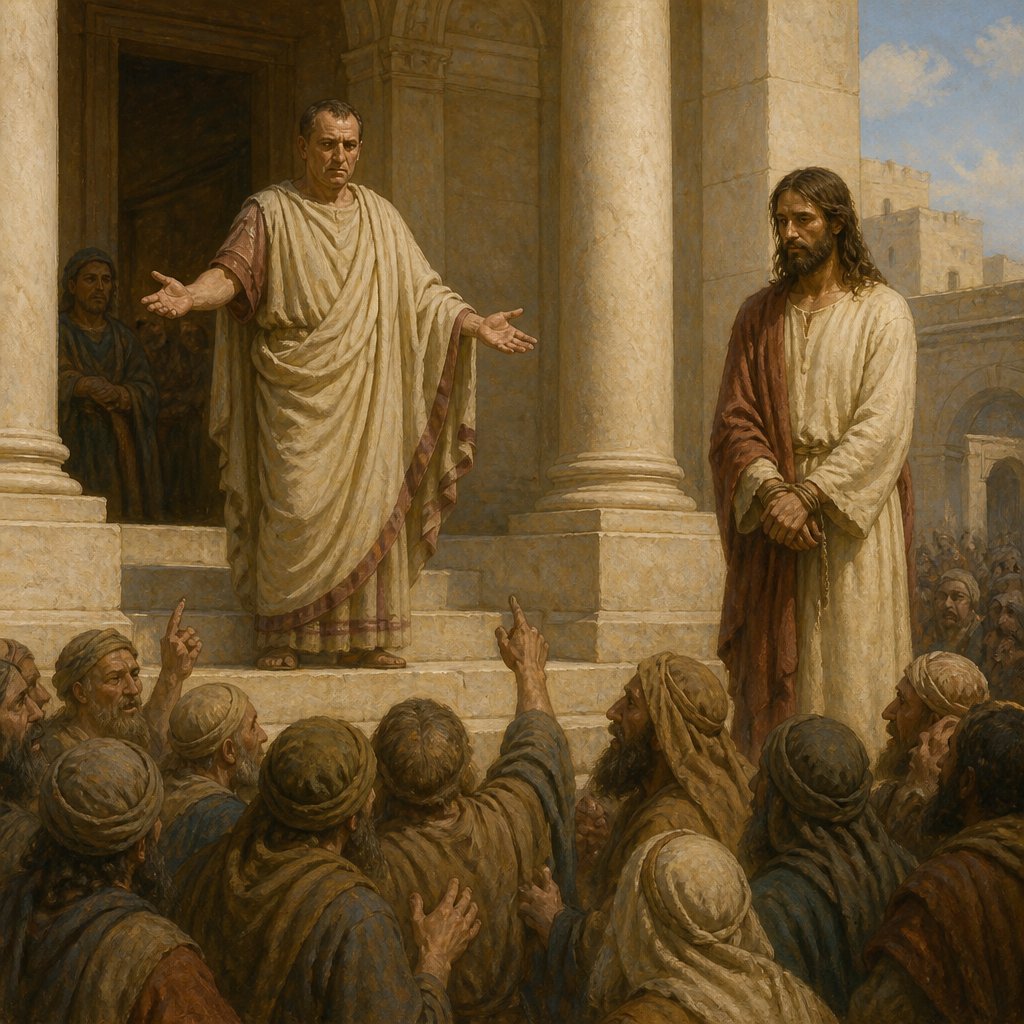
The Bible verse Matthew 27:23 from the King James Version (KJV) reads: "And the governor said, Why, what evil hath he done? But they cried out the more, saying, Let him be crucified."
This verse is part of the larger narrative of the crucifixion of Jesus Christ. It takes place after Pilate, the Roman governor, has questioned Jesus and found no fault in him. Pilate is seeking to release Jesus, but the crowd, incited by the religious leaders, is demanding Jesus' crucifixion.
The verse highlights the injustice and ironies of the situation. Pilate, the representative of Roman authority and power, acknowledges Jesus' innocence. He asks the crowd what evil Jesus has done, but the people continue to insist on his crucifixion. It is important to note the significance of Pilate's question. He is essentially asking the crowd to justify their desire to have Jesus put to death, and their response reveals their blind obedience to the religious leaders and their rejection of Jesus as the Messiah.
From a thematic standpoint, this verse speaks to the flawed nature of human judgment and the prevalence of mob mentality. The crowd's insistence on crucifying an innocent man reflects the power dynamics at play and the role of manipulation and propaganda in swaying public opinion. It also raises questions about the nature of truth and justice, as the crowd's demands ultimately lead to the crucifixion of an innocent man.
In the larger context of the Gospel of Matthew, this verse is part of the overall narrative of Jesus' trial and crucifixion. The Gospel presents Jesus as the long-awaited Messiah, the King of the Jews, and the Savior of the world. His rejection by the religious leaders and the crowd, despite his innocence, underscores the themes of human sinfulness, the need for redemption, and the fulfillment of God's plan for salvation through Jesus' sacrificial death on the cross.
Symbolically, this verse represents the broader theme of the conflict between earthly powers and the kingdom of God. Pilate, as the representative of Roman rule, is caught between his desire to uphold justice and the pressure exerted by the crowd and the religious authorities. The crowd, in turn, represents the fallen nature of humanity, easily swayed by external influences and unable to recognize the truth before them. Jesus, as the innocent victim of this unjust demand for his crucifixion, embodies the ultimate sacrifice for the sins of humanity and the triumph of God's redemptive plan.
In conclusion, Matthew 27:23 captures a crucial moment in the crucifixion narrative, highlighting the themes of human sinfulness, injustice, and the fulfillment of God's plan for salvation. It reveals the complexities of human nature and the clash between earthly powers and the kingdom of God. Ultimately, this verse points to the central message of the Gospel that Jesus' death on the cross is the means by which redemption and forgiveness of sins are made possible for all who believe.
Get our apps


Artwork for Matthew 27:23

Matthew 27:23 - "And the governor said, Why, what evil hath he done? But they cried out the more, saying, Let him be crucified."
"And the governor said, Why, what evil hath he done? But they cried out the more, saying, Let him be crucified." - Matthew 27:23

Matthew 23:27 - "Woe unto you, scribes and Pharisees, hypocrites! for ye are like unto whited sepulchres, which indeed appear beautiful outward, but are within full of dead men's bones, and of all uncleanness."

Matthew 27:46

Matthew 27:35

Matthew 24:27

Matthew 27:26

Matthew 6:23
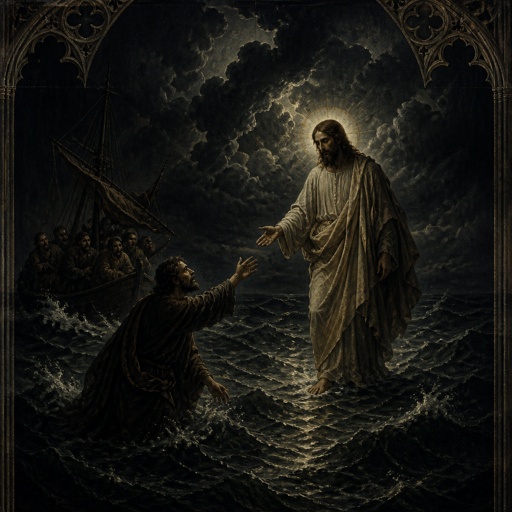
Matthew 14:27
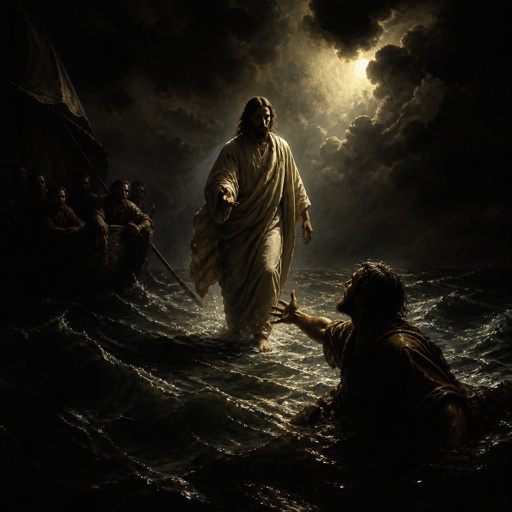
Matthew 14:27
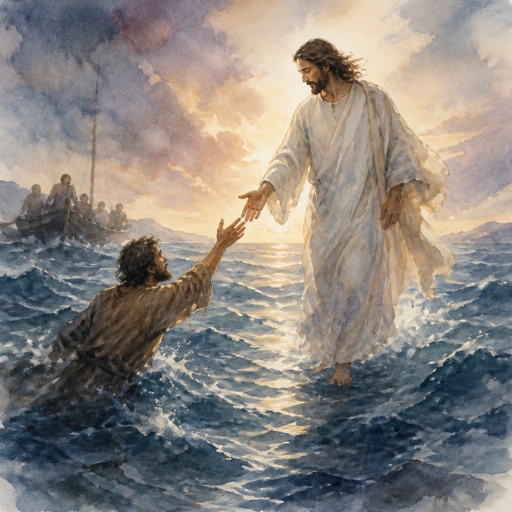
Matthew 14:27

Matthew 27:26

Matthew 27: 38

Exodus 23:27-28

Matthew 27:27 - "Then the soldiers of the governor took Jesus into the common hall, and gathered unto him the whole band of soldiers."

Matthew 25:23

Matthew 2:23

Matthew 15:23

Matthew 2:23

Matthew 23:12

Matthew 23:12

Matthew 7:24-27

Matthew 27:36 - "And sitting down they watched him there;"

Matthew 27:16 - "And they had then a notable prisoner, called Barabbas."

Matthew 2:23

Matthew 23:28

Matthew 25:23

MATTHEW 28: 23

Matthew 15:23

matthew 7:23