Fasting with Integrity: A Heart Seeking God
“Moreover when ye fast, be not, as the hypocrites, of a sad countenance: for they disfigure their faces, that they may appear unto men to fast. Verily I say unto you, They have their reward.” — Matthew 6:16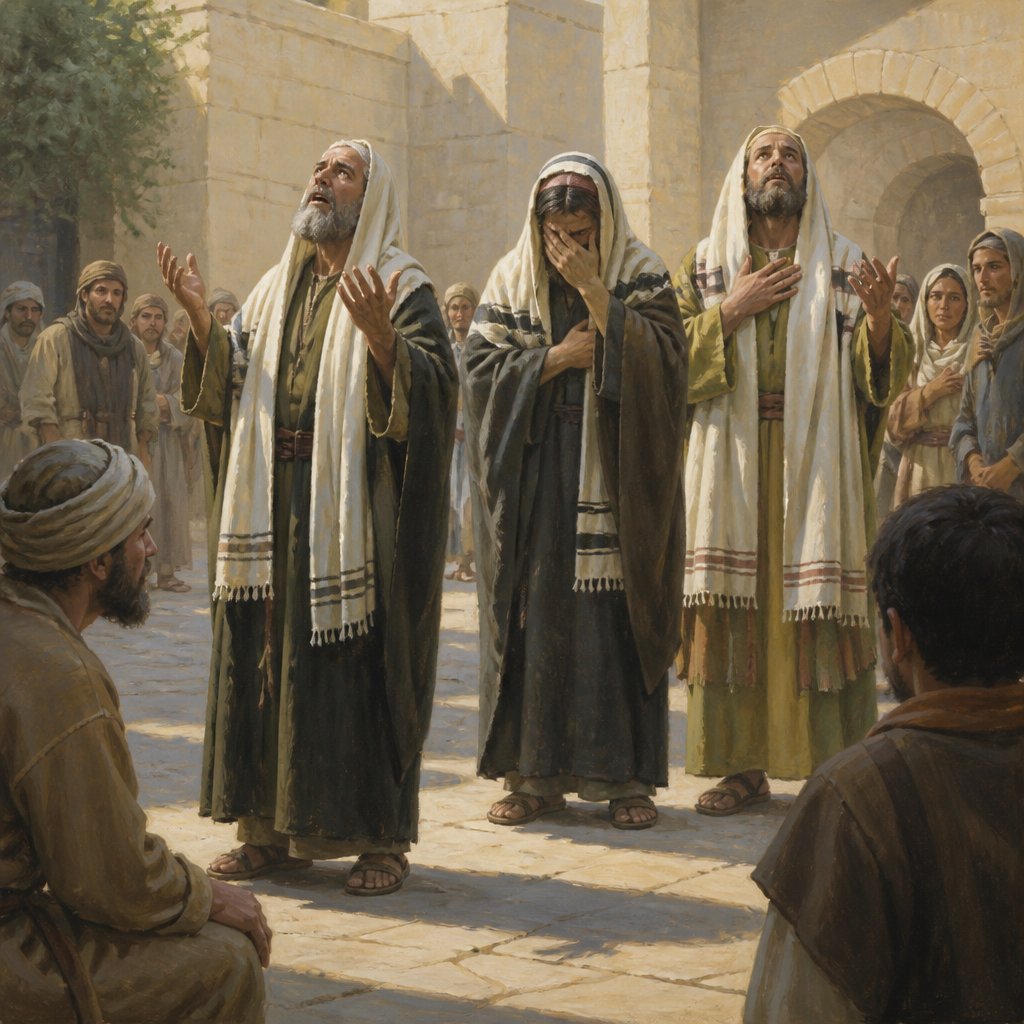
In the context of Matthew 6:16, Jesus addresses one of the core aspects of our spiritual discipline: fasting. The passage reads, "Moreover when ye fast, be not, as the hypocrites, of a sad countenance: for they disfigure their faces, that they may appear unto men to fast. Verily I say unto you, They have their reward." This teaching is part of the larger Sermon on the Mount, where Jesus outlines the principles of true righteousness, calling His followers to a deeper sincerity and integrity in their spiritual practices.
Fasting—a practice often seen as an external expression of devotion—can easily become an avenue for hypocrisy if not anchored in the right heart posture. The word “hypocrite” originates from the stage, referring to actors who wore masks to portray different characters. Similarly, Jesus challenges us against putting on a facade when we fast.
Firstly, we must understand that Jesus assumes fasting will be part of our spiritual lives when He says, “when ye fast.” There is an implication of expectation here; Jesus acknowledges that fasting is an important practice meant for spiritual growth and intimacy with God. However, His emphasis is on the attitude and intention behind our fasting. Fasting should not lead to a performance for others to see but should be a deeply personal act between us and God.
Jesus warns against adopting a ‘sad countenance’ as a way to gain the approval or recognition of others. The typical behavior of the hypocrites He describes involves outward displays of sorrow, disfigurement of their physical appearance to draw attention to their fasting. Their intention is clear: to be seen by men. Yet, Jesus soberly states that “They have their reward,” meaning that any praise or recognition they receive is a fleeting acknowledgement from people—empty and devoid of divine significance.
This teaches us a vital lesson about the nature of our rewards. Do we seek the approval of men or the approval of God? Fast not to be recognized, but to seek alignment with God’s heart! Fasting has profound implications, paving ways for deeper prayer, clearer discernment, and more profound dependence on God. It is not about the external appearance but the internal condition of our hearts.
When we fast genuinely, we open ourselves to deepening our relationship with God. As His children, we are invited into the secret place of communion with Him, which is often hollowed out in fasting.
**Practical Steps for Meaningful Fasting:**
1. **Seek God’s Direction:** Before embarking on a fast, spend time in prayer, asking God for clarity on your purpose in fasting. Is it for personal growth, interceding for others, seeking breakthrough, or growing closer to Him?
2. **Maintain a Joyful Countenance:** Even though fasting may require sacrifice and may involve periods of discomfort, let your demeanor reflect the joy of following Christ rather than despair. Remember that the ultimate purpose is to draw nearer to God Himself, not to impress others.
3. **Keep it Private:** Jesus promotes a fast that is done in secret. The rewards of such fasting are not seen by the world, but the Father in heaven, who sees in secret, will reward openly (Matthew 6:18). Your personal walk with God thrives in sincerity, while others remain unaware of the labor of your heart.
4. **Focus on Prayer and the Word:** During your fast, immerse yourself in Scripture and prayer. Use this time to listen for God’s voice and reflect on His Word, allowing it to penetrate your heart.
In fasting, we cultivate a spirit of humility and a longing for God that aligns our desires with His will. Let us be cautious to avoid the demeanor of the hypocrites; instead, with authenticity and a pure heart, let’s pursue fasting as an avenue to deepen our relationship with our Creator. In doing so, we will discover that the true treasure of fasting is not in the act itself but in the intimate communion it fosters with God.
Get our apps


Artwork for Matthew 6:16

Matthew 6:16 - "¶ Moreover when ye fast, be not, as the hypocrites, of a sad countenance: for they disfigure their faces, that they may appear unto men to fast. Verily I say unto you, They have their reward."
"¶ Moreover when ye fast, be not, as the hypocrites, of a sad countenance: for they disfigure their faces, that they may appear unto men to fast. Verily I say unto you, They have their reward." - Matthew 6:16

Matthew 16:6 - "¶ Then Jesus said unto them, Take heed and beware of the leaven of the Pharisees and of the Sadducees."
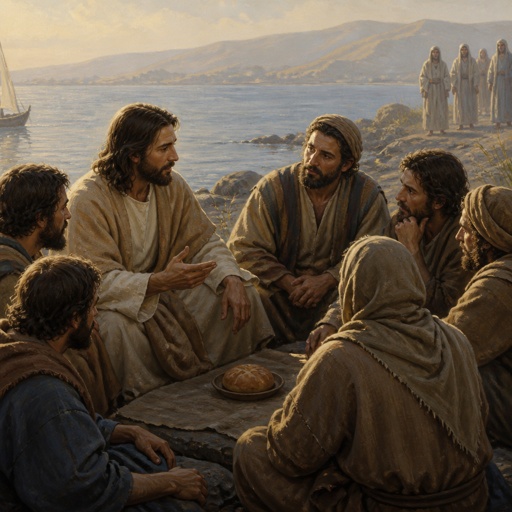
"¶ Then Jesus said unto them, Take heed and beware of the leaven of the Pharisees and of the Sadducees." - Matthew 16:6

Matthew 6:6

Matthew 3:16

Matthew 3:16

Matthew 3:16

Matthew 16:25

Matthew 16:16 - "And Simon Peter answered and said, Thou art the Christ, the Son of the living God."

Matthew 6:23

Matthew 19:16-17

Matthew 18:6

Matthew 6:34

Matthew 18:6

Matthew 6:22

Matthew 6:18

Matthew 6:22

Matthew 6:14

Matthew 6:24

Matthew 6:30

Matthew 6:5

Matthew 6:34

Matthew 27:16 - "And they had then a notable prisoner, called Barabbas."

Matthew 6:24

Matthew 6:2

Matthew 6:2

Matthew 6:2

Matthew 6:34

Matthew 6:13