Healing Through Fulfillment: Embracing Christ's Compassion
“That it might be fulfilled which was spoken by Esaias the prophet, saying, Himself took our infirmities, and bare our sicknesses.” — Matthew 8:17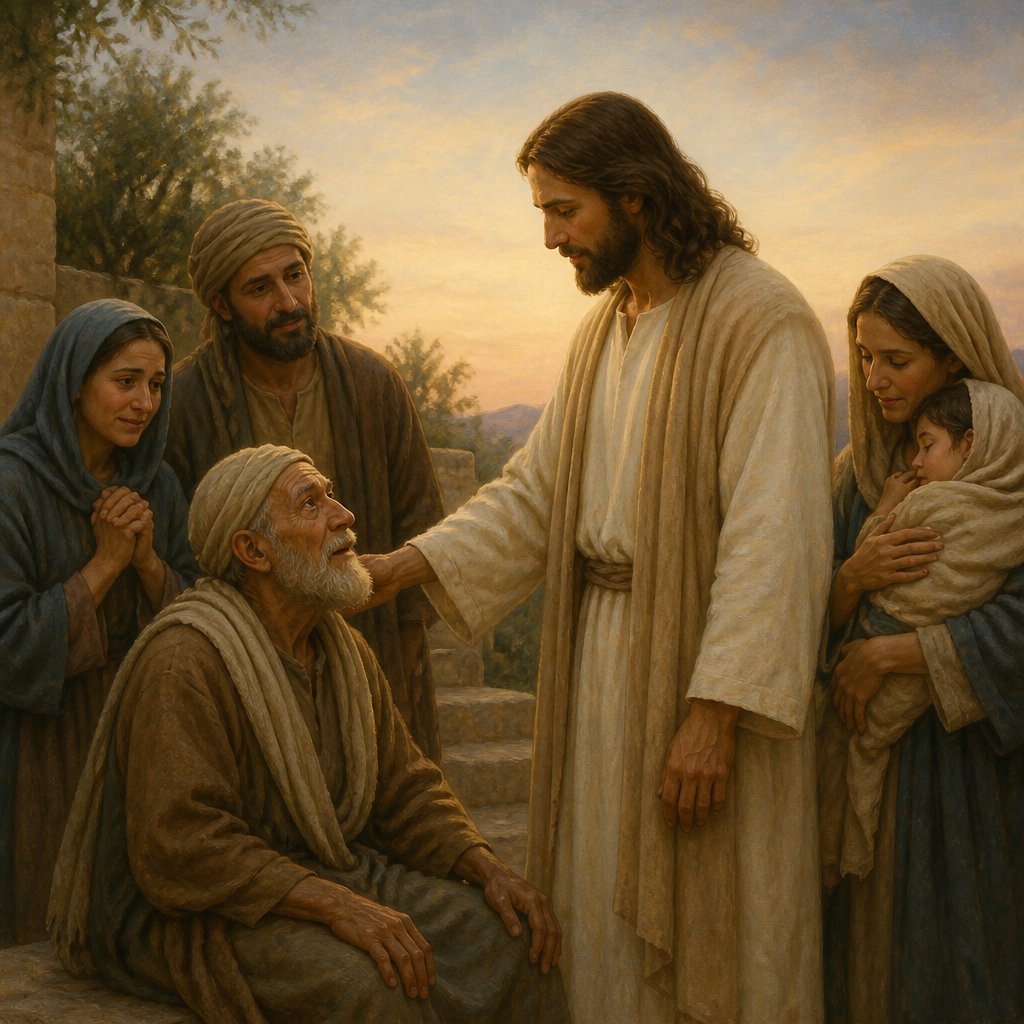
Matthew 8:17 succinctly encapsulates a promise of healing and compassion: "That it might be fulfilled which was spoken by Esaias the prophet, saying, Himself took our infirmities, and bare our sicknesses." This verse serves as a profound reminder of both the prophetic nature of Christ's ministry and the depths of His compassion for humanity.
The context of this passage is crucial. Jesus had just finished teaching the Sermon on the Mount, a foundational discourse that illuminated the principles of the Kingdom of Heaven. It is after this teaching that Christ steps into action, displaying the very essence of His ministry through miracles. It is here in Matthew 8 that we see several instances of healing, underscoring the power and authority of Jesus over physical ailments and spiritual afflictions.
The phrase "that it might be fulfilled" indicates that the events of Jesus’ life and ministry were anticipated long before they occurred. Matthew often quotes the Old Testament to demonstrate that Jesus' actions align with God's redemptive plan for humanity. In this case, Matthew references Isaiah, who prophesied about the coming Messiah and His role as a healer.
When Isaiahs spoke these words, he pointed towards a time of hope and restoration, illustrating that the Messiah would not only come as a spiritual leader but also as a compassionate healer. In Isaiah 53:4, we read, "Surely he hath borne our griefs, and carried our sorrows." This prophetic sentiment resonates deeply with the experiences of humanity, confirming that Jesus' touch was both life-giving and life-restoring.
To fully appreciate the gravity of this message, we must reflect on the concept of infirmities and sicknesses in our lives. Infirmities can be physical, emotional, or spiritual burdens that weigh heavily upon us. Each of us has faced challenges, be they illness, pain, depression, or despair. It can often feel as though these things isolate us from God's love, causing us to wonder if we are worthy of healing and salvation. Yet, Matthew 8:17 assures us that Jesus does not just witness our struggles from afar; rather, He enters our pain with us.
The act of Jesus taking our infirmities and bearing our sicknesses is both an act of love and a declaration of His ultimate authority. It is a foreshadowing of the Cross, where He would ultimately bear the weight of all human suffering. This significant point highlights the grace of God; a grace that reaches into our darkest moments and lifts us into the light of His presence. When we acknowledge that He took our infirmities, we recognize that we are not alone in our struggles. Christ willingly bore our burdens, helping us to understand that He identifies with our pain.
As we meditate on this verse, consider the implications for our daily lives. It beckons us to let go of the shame that may accompany our struggles and to freely seek the healing that Christ offers. It encourages us to lay our worries at the feet of Jesus, understanding that His love is deep enough to encompass our pain.
Moreover, as we experience Christ's healing in our own lives, we are called to extend that compassion to others. Just as Jesus healed and cared for those around Him, we too are invited to be instruments of healing in the lives of others. Whether through kind words, acts of service, or simply being a listening ear, each of us has the opportunity to reflect Christ’s unconditional love.
In conclusion, Matthew 8:17 is not simply a historical account; it is a powerful declaration of God’s love for humanity. Christ took upon Himself our infirmities and bore our sicknesses, ensuring that healing is possible. As we walk in faith, trusting in His promises, let us embrace the full scope of His compassion, not only for ourselves but also as a beacon of hope for those around us.
Get our apps


Artwork for Matthew 8:17

Matthew 8:17 - "That it might be fulfilled which was spoken by Esaias the prophet, saying, Himself took our infirmities, and bare our sicknesses."

Matthew 8:17 - "That it might be fulfilled which was spoken by Esaias the prophet, saying, Himself took our infirmities, and bare our sicknesses."
"That it might be fulfilled which was spoken by Esaias the prophet, saying, Himself took our infirmities, and bare our sicknesses." - Matthew 8:17

Matthew 17:8 - "And when they had lifted up their eyes, they saw no man, save Jesus only."
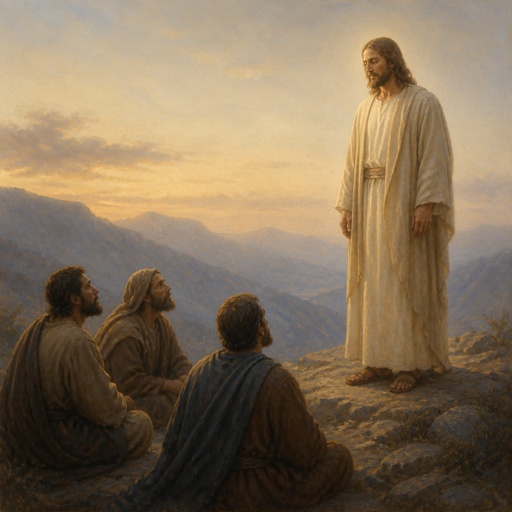
"And when they had lifted up their eyes, they saw no man, save Jesus only." - Matthew 17:8

Matthew 17:17-18

Matthew 17:17-18

Matthew 6:17

Matthew 17:20

Matthew 17:20

Matthew 8:13

Matthew 8:13

Matthew 8:13

Matthew 8:32

Matthew 8:32

Matthew 8:32

Matthew 8:16-17 - "When evening came, many who were demon-possessed were brought to him, and he drove out the spirits with a word and healed all the sick. This was to fulfill what was spoken through the prophet Isaiah: "He took up our infirmities and bore our diseases.""

Matthew 19:16-17

Matthew 6:17-18

Matthew 17:14-21

Matthew 17:14-15

Matthew 3:13-17

Matthew 24:8

Matthew 13:8

matthew 8:28

Matthew 2:17 - "Then was fulfilled that which was spoken by Jeremy the prophet, saying,"

Matthew 17:21 - "Howbeit this kind goeth not out but by prayer and fasting."

Genesis 17:8

Matthew 12:17 - "That it might be fulfilled which was spoken by Esaias the prophet, saying,"

Matthew 17:7 - "And Jesus came and touched them, and said, Arise, and be not afraid."