What does Matthew 8:17 mean?
“That it might be fulfilled which was spoken by Esaias the prophet, saying, Himself took our infirmities, and bare our sicknesses.” — Matthew 8:17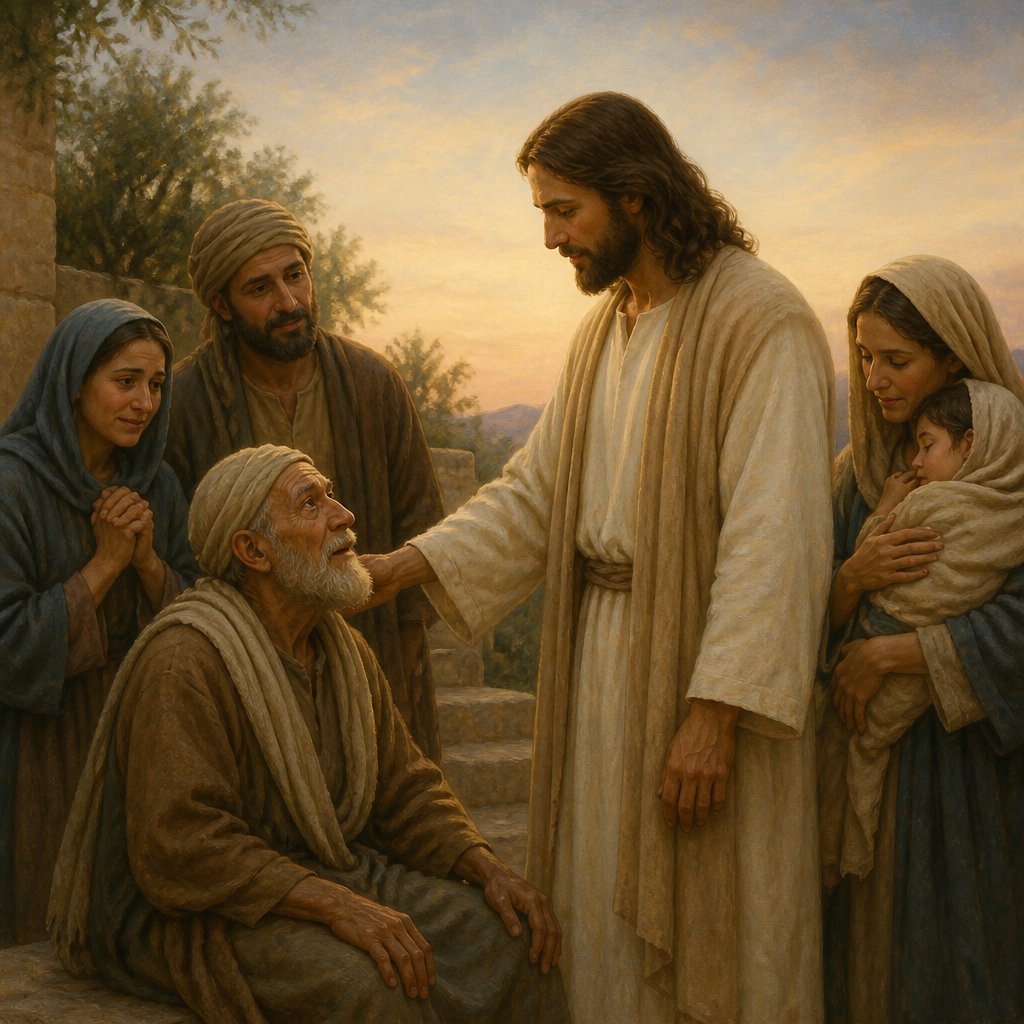
Matthew 8:17 in the King James Version of the Bible states, "That it might be fulfilled which was spoken by Esaias the prophet, saying, Himself took our infirmities, and bare our sicknesses." This verse is a reference to the prophecy from Isaiah 53:4, which says, "Surely he hath borne our griefs, and carried our sorrows..."
First, it is important to look at the context of this verse. In the preceding verses, Jesus heals many people who were sick and demon-possessed. Matthew describes these events as the fulfillment of the prophecy from Isaiah, showing that Jesus had come to take on the suffering and burdens of humanity.
The theme of healing and restoration is a prominent one in this verse. Jesus's actions in healing the sick and demon-possessed individuals demonstrate his power and authority over illness and suffering. By quoting from Isaiah, Matthew emphasizes that these healings were not just acts of compassion and mercy, but also a fulfillment of the Messianic prophecy.
This verse also speaks to the larger theme of Jesus as the suffering servant. The prophecy from Isaiah 53:4-5 describes a servant who would suffer and die for the sins of humanity. By referring to this prophecy, Matthew is highlighting the redemptive aspect of Jesus's healing ministry. He came to take on the infirmities and sickness of humanity, ultimately leading to his sacrificial death on the cross.
The symbolism in this verse is significant. Jesus's actions of healing the sick and bearing their infirmities are symbolic of his larger mission to bear the burdens of sin and suffering for all humanity. The physical healings serve as a tangible representation of the spiritual healing and restoration that Jesus brings.
Another layer of symbolism can be found in the contrast between the healings and the suffering servant prophecy. While Isaiah 53:4-5 speaks of the servant bearing griefs and sorrows, Jesus's actions in fulfilling this prophecy show that he has the power to overcome and alleviate these burdens. This contrast highlights Jesus's divine authority and compassion in addressing the suffering of humanity.
In a broader theological context, this verse speaks to the concept of atonement. Jesus's willingness to take on the infirmities and sicknesses of humanity is a precursor to his ultimate act of atonement on the cross. The healing ministry of Jesus serves as a demonstration of his redemptive work, anticipating the salvation that he would bring through his death and resurrection.
Overall, Matthew 8:17 is a significant verse that captures the essence of Jesus's healing ministry and its connection to the larger themes of redemption and atonement. By quoting from the prophecy of Isaiah, Matthew emphasizes the fulfillment of the Messianic mission of Jesus. The verse also serves as a reminder of Jesus's compassion and authority in addressing the suffering and burdens of humanity.
Get our apps


Artwork for Matthew 8:17

Matthew 8:17 - "That it might be fulfilled which was spoken by Esaias the prophet, saying, Himself took our infirmities, and bare our sicknesses."

Matthew 8:17 - "That it might be fulfilled which was spoken by Esaias the prophet, saying, Himself took our infirmities, and bare our sicknesses."
"That it might be fulfilled which was spoken by Esaias the prophet, saying, Himself took our infirmities, and bare our sicknesses." - Matthew 8:17

Matthew 17:8 - "And when they had lifted up their eyes, they saw no man, save Jesus only."
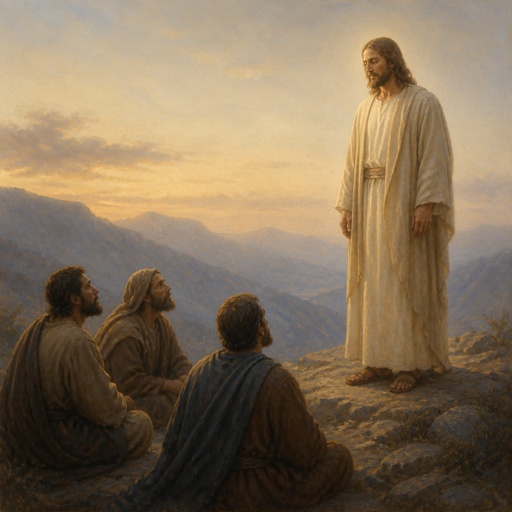
"And when they had lifted up their eyes, they saw no man, save Jesus only." - Matthew 17:8

Matthew 17:17-18

Matthew 17:17-18

Matthew 6:17

Matthew 17:20

Matthew 17:20

Matthew 8:13

Matthew 8:13

Matthew 8:13

Matthew 8:32

Matthew 8:32

Matthew 8:32

Matthew 8:16-17 - "When evening came, many who were demon-possessed were brought to him, and he drove out the spirits with a word and healed all the sick. This was to fulfill what was spoken through the prophet Isaiah: "He took up our infirmities and bore our diseases.""

Matthew 19:16-17

Matthew 6:17-18

Matthew 17:14-21

Matthew 17:14-15

Matthew 3:13-17

Matthew 24:8

Matthew 13:8

matthew 8:28

Matthew 2:17 - "Then was fulfilled that which was spoken by Jeremy the prophet, saying,"

Matthew 17:21 - "Howbeit this kind goeth not out but by prayer and fasting."

Genesis 17:8

Matthew 12:17 - "That it might be fulfilled which was spoken by Esaias the prophet, saying,"

Matthew 17:7 - "And Jesus came and touched them, and said, Arise, and be not afraid."