The Divine Charge: Understanding the Weight of Revelation
“And their eyes were opened; and Jesus straitly charged them, saying, See that no man know it.” — Matthew 9:30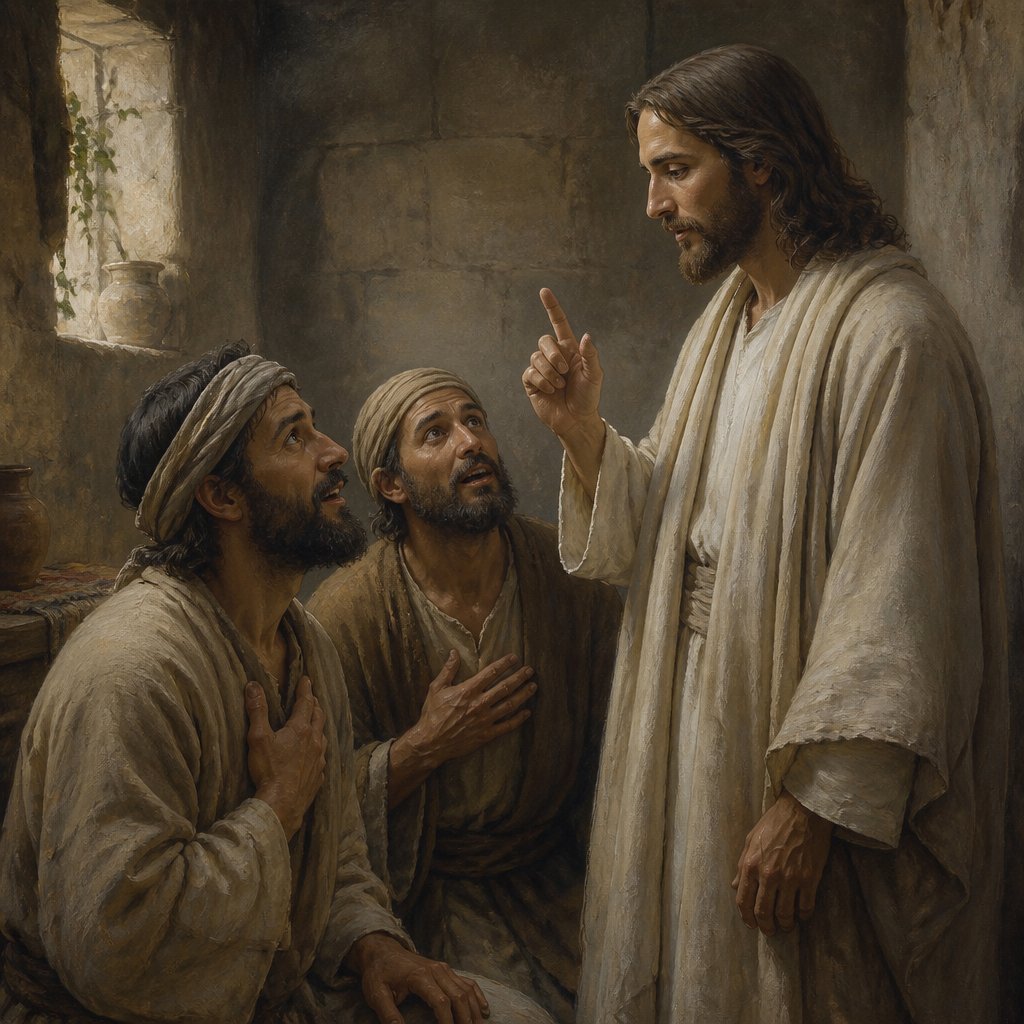
In the Gospel according to Matthew, we come across a moment of profound significance around Matthew 9:30, which states, "And their eyes were opened; and Jesus straitly charged them, saying, See that no man know it." This verse encapsulates a powerful encounter with the divine that carries both a miraculous transformation and an essential command from Jesus. To dive deeper into the meaning of this scripture, we must consider the context in which Jesus made this declaration, the nature of the miracle, and the implications it has for our spiritual journey.
The passage follows the healing of two blind men who had cried out to Jesus, expressing their faith in His ability to restore their sight. They believed wholeheartedly that He, the Son of David, possessed the authority and power to heal them. In response to their faith, Jesus performed the miracle, allowing them to see. The physical restoration of their sight symbolizes a more profound spiritual illumination—seeing with understanding the truth of who Jesus is, the Messiah sent from God.
"Their eyes were opened" suggests not just a physical act but a revelation that comes from a deeper understanding and acknowledgment of Jesus’ identity and mission. In biblical terms, opening one's eyes often denotes the ability to perceive spiritual truths. This act of healing illustrates the fulfillment of prophecy and the embodiment of divine compassion and power. How many times do we find ourselves blind to the truth that God is revealing? Like the blind men, we may cry out for help without fully realizing the nature of our spiritual blindness. Jesus, however, invites us into a journey of enlightenment, healing our eyes and our hearts to see clearly.
Following their healing, Jesus gives a very strict command: "See that no man know it." This directive raises several questions: Why would Jesus want such a miraculous act kept secret? Doesn’t sharing a testimony usually glorify God? In this case, Jesus understood the narratives forming around Him—the political implications, the misunderstandings about His kingship, and the misinterpretation of His miracles. By charging the men to keep it quiet, He aimed to prevent premature and possibly harmful conclusions about His purpose.
Thus, we see that revelation comes with responsibility. When God opens our eyes to His truth, it is not merely for our own edification but often carries the weight of testimony which must be shared at the appropriate time and in the right manner. The charge of secrecy reminds us that not all revelations are meant to be broadcasted immediately; sometimes, they are for personal growth, preparation, and maturity in faith. We must discern when to share our encounters with God and when they should remain sacred between us and Him.
This verse invites deep reflection on how we react to alterations in our spiritual perception. Like the men whose eyes were opened, we must move beyond merely celebrating our enlightenment. We must consider how we respond to Jesus’ directives in our lives—how we understand His voice when we are called to silence or action. We invite friends and family to join us on our faith journey; yet, we must remember that some experiences are sacred and must be cherished in heart and mind before being shared as testimony.
Ultimately, Matthew 9:30 invites us to recognize the significant moments of revelation in our walk with Christ. As we pray for God to open our eyes to the deeper truths, let's also seek the wisdom to know when to share those insights. May our hearts be filled with gratitude for the grace He extends to us daily—a grace that transforms us, heals us, and opens our eyes to the beauty and truth of His divine plan. Therefore, let’s pursue a life of discernment and obedience, ensuring that every revelation brings glory to God in its rightful time.
Get our apps


Artwork for Matthew 9:30

Matthew 9:30 - "And their eyes were opened; and Jesus straitly charged them, saying, See that no man know it."
"And their eyes were opened; and Jesus straitly charged them, saying, See that no man know it." - Matthew 9:30

Matthew 6:30

Matthew 5:30

Matthew 5:30

Matthew 24:30-31

Matthew 24:30-31

Matthew 24:30-31

Matthew 24:30-31

Matthew 24:30-31

Matthew 24:30-31

Matthew 24:30-31

Matthew 24:30-31

Matthew 24:30-31

Matthew 24:30-31

Matthew 11:30 - "For my yoke is easy, and my burden is light."

Matthew 10:30 - "But the very hairs of your head are all numbered."

luke 9:30

Matthew 19:30 - "But many that are first shall be last; and the last shall be first."

Matthew 26:30 - "And when they had sung an hymn, they went out into the mount of Olives."

Matthew 27:30 - "And they spit upon him, and took the reed, and smote him on the head."

luke 9:29- 30

Matthew 12:30 - "He that is not with me is against me; and he that gathereth not with me scattereth abroad."

Matthew 8:30 - "And there was a good way off from them an herd of many swine feeding."

Matthew 22:30 - "For in the resurrection they neither marry, nor are given in marriage, but are as the angels of God in heaven."

Matthew 9:21

Matthew 25:30 - "And cast ye the unprofitable servant into outer darkness: there shall be weeping and gnashing of teeth."

Matthew 18:30 - "And he would not: but went and cast him into prison, till he should pay the debt."

Matthew 9:21-22

Matthew 9:21-22