The Call to Accountability: Lessons from Lachish
“O thou inhabitant of Lachish, bind the chariot to the swift beast: she is the beginning of the sin to the daughter of Zion: for the transgressions of Israel were found in thee.” — Micah 1:13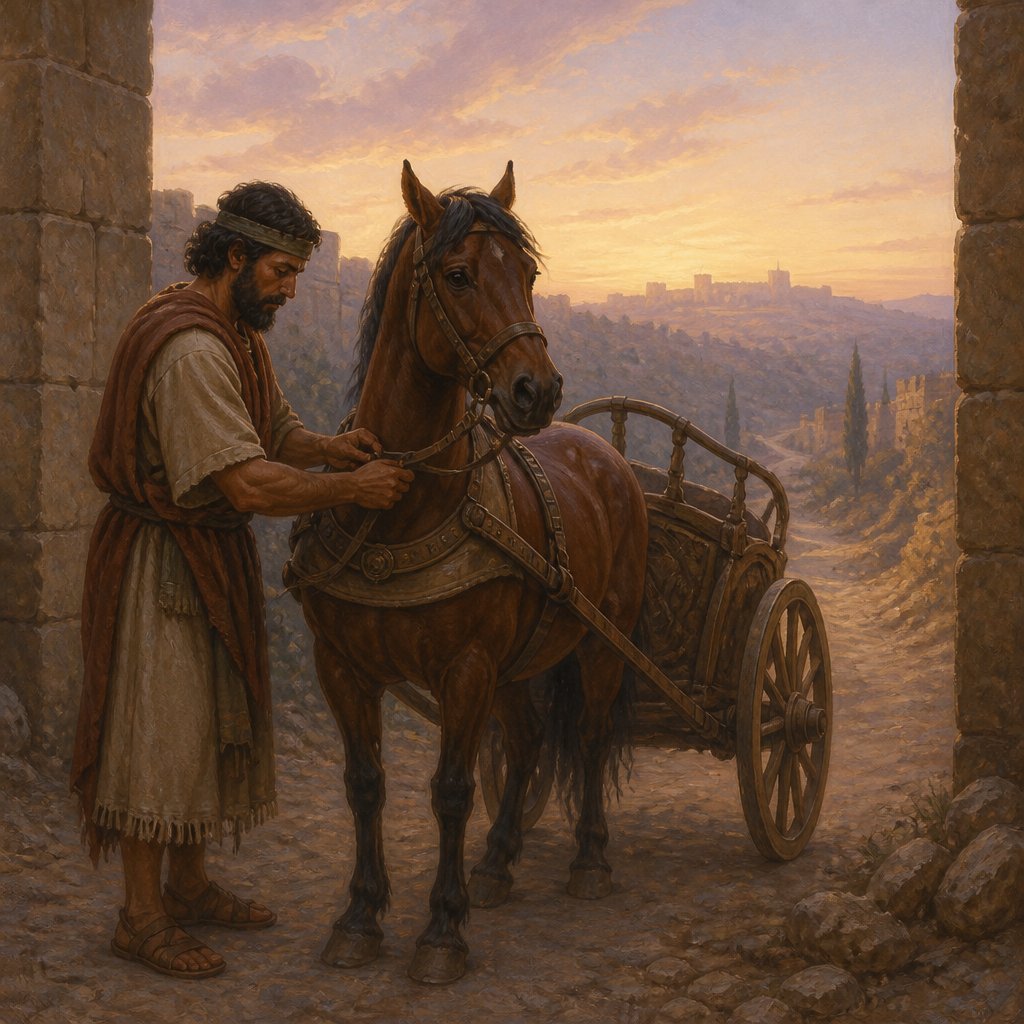
Micah 1:13 (KJV) reads: "O thou inhabitant of Lachish, bind the chariot to the swift beast: she is the beginning of the sin to the daughter of Zion: for the transgressions of Israel were found in thee."
In the ancient world of Israel, Lachish was a city of significant military and strategic importance, often seen as a bulwark against invading forces. It was a place of power, commerce, and influence, yet it bore the heavy label of being a symbol of sin and transgression against God. The prophet Micah delivered this poignant message, not just as a prophecy of judgment, but as an invitation for the people to reflect on their actions and the consequences they brought upon themselves and their nation.
The opening phrase, "O thou inhabitant of Lachish", serves as a direct call to the people living in this influential city. It can be viewed as a cry of urgency, sounding an alarm for those who should understand their surroundings and their responsibilities. For us today, this verse holds a mirror to our lives, compelling us to examine what we inhabit—be it our homes, workplaces, or societies at large—and the impact we have within them. Are we shapes and forms of righteousness, or are we facilitators of sin?
The command to "bind the chariot to the swift beast" can be interpreted as a preparation for flight or imminent danger. In the original context, it implies that the citizens of Lachish were being urged to mobilize themselves because judgment was coming. This swift beast represents both the urgency of the moment and the reality of impending consequences. In a modern context, how often do we find ourselves needing to "bind our chariot"? How frequently are we reminded to be on guard against the entanglements of sin that surround us? We must recognize that just like Lachish, our fast-paced and busy lives can lead us to overlook the decay of morality and integrity within ourselves and our communities.
Micah’s declaration that Lachish was “the beginning of the sin to the daughter of Zion” unveils a tragic truth. The actions and sins of one community have the potential to affect others far beyond their borders. As residents of every community, we have a stake in the spiritual and moral fabric of our surroundings. Our sins—however small we may believe them to be—can ripple out and impact others, creating a culture that may be far removed from God’s righteousness.
Moreover, the phrase "for the transgressions of Israel were found in thee" indicates an intimate connection between judgment and accountability. God holds us responsible not only for our personal sins but also for seeing the broader effects of those sins within our family, community, and nation. This serves as a solemn reminder that the consequences of iniquity can sometimes manifest on generational scales.
As we meditate on this verse, let us not become complacent. Instead, let us adopt an attitude of vigilance and action. We must pray for clarity and insight as we seek to align ourselves with God’s righteousness, ensuring that we are not a false representation of His glory. Let us reflect on the areas in our lives where we may be dragging others into sin or where sin has crept into our lives unnoticed.
In conclusion, Micah 1:13 teaches us the importance of accountability as inhabitants of our own 'Lachish'. It reminds us of the impact our lives have on others and calls us to proactively engage in living out our faith authentically and intentionally. Therefore, let us bind our chariots—preparing ourselves to move quickly away from sin—and in turn, teach others to do the same. Together, we can influence the daughter of Zion, ensuring that we contribute to a legacy of righteousness, one that honors God and uplifts our communities.
Get our apps


Artwork for Micah 1:13

Micah 1:13 - "O thou inhabitant of Lachish, bind the chariot to the swift beast: she is the beginning of the sin to the daughter of Zion: for the transgressions of Israel were found in thee."
"O thou inhabitant of Lachish, bind the chariot to the swift beast: she is the beginning of the sin to the daughter of Zion: for the transgressions of Israel were found in thee." - Micah 1:13

Micah 1:3 - "For, behold, the LORD cometh forth out of his place, and will come down, and tread upon the high places of the earth."

Judges 18:13 - "And they passed thence unto mount Ephraim, and came unto the house of Micah."

Micah 1:1 - "The word of the LORD that came to Micah the Morasthite in the days of Jotham, Ahaz, and Hezekiah, kings of Judah, which he saw concerning Samaria and Jerusalem."

Micah 7:13 - "Notwithstanding the land shall be desolate because of them that dwell therein, for the fruit of their doings."

Micah 5:2-5

Micah 6:13 - "Therefore also will I make thee sick in smiting thee, in making thee desolate because of thy sins."

Judges 17:13 - "Then said Micah, Now know I that the LORD will do me good, seeing I have a Levite to my priest."

Judges 17:1 - "And there was a man of mount Ephraim, whose name was Micah."

1 Chronicles 8:35 - "And the sons of Micah were, Pithon, and Melech, and Tarea, and Ahaz."

"For, behold, the LORD cometh forth out of his place, and will come down, and tread upon the high places of the earth." - Micah 1:3
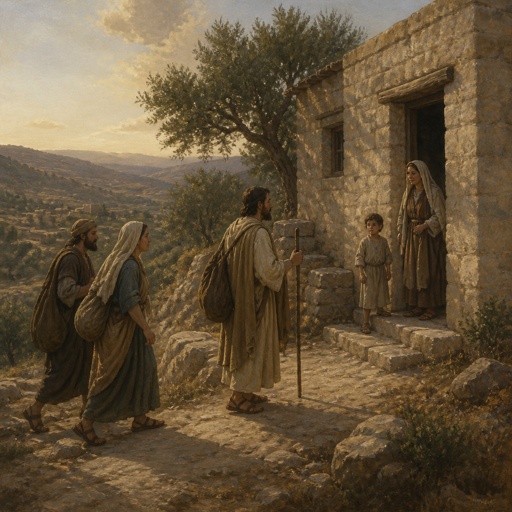
"And they passed thence unto mount Ephraim, and came unto the house of Micah." - Judges 18:13

1 Chronicles 9:41 - "And the sons of Micah were, Pithon, and Melech, and Tahrea, and Ahaz."

Micah 5:13 - "Thy graven images also will I cut off, and thy standing images out of the midst of thee; and thou shalt no more worship the work of thine hands."

1 Chronicles 9:40 - "And the son of Jonathan was Merib-baal: and Merib-baal begat Micah."

"The word of the LORD that came to Micah the Morasthite in the days of Jotham, Ahaz, and Hezekiah, kings of Judah, which he saw concerning Samaria and Jerusalem." - Micah 1:1

1 Chronicles 8:34 - "And the son of Jonathan was Merib-baal; and Merib-baal begat Micah."

1 Chronicles 5:5 - "Micah his son, Reaia his son, Baal his son,"
![Micah 2:13 NIV
[13] The One who breaks open the way will go up before them; they will break through the gate and go out. Their King will pass through before them, the Lord at their head.”](https://media.bible.art/d353a4ee-cb5a-4f2c-ab0c-9eff40e4c751-thumbnail.jpg)
Micah 2:13 NIV [13] The One who breaks open the way will go up before them; they will break through the gate and go out. Their King will pass through before them, the Lord at their head.”
![Micah 2:13 NIV
[13] The One who breaks open the way will go up before them; they will break through the gate and go out. Their King will pass through before them, the Lord at their head.”](https://media.bible.art/7c4a5036-fc0f-40cb-aa4e-038097cf317f-thumbnail.jpg)
Micah 2:13 NIV [13] The One who breaks open the way will go up before them; they will break through the gate and go out. Their King will pass through before them, the Lord at their head.”
![Micah 2:13 NIV
[13] The One who breaks open the way will go up before them; they will break through the gate and go out. Their King will pass through before them, the Lord at their head.”](https://media.bible.art/ef7e246f-e48b-4767-ba1e-c7d397dc4581-thumbnail.jpg)
Micah 2:13 NIV [13] The One who breaks open the way will go up before them; they will break through the gate and go out. Their King will pass through before them, the Lord at their head.”
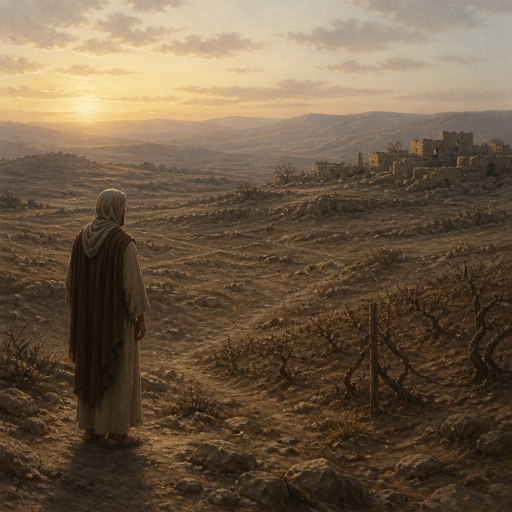
"Notwithstanding the land shall be desolate because of them that dwell therein, for the fruit of their doings." - Micah 7:13

Micah 2:13 - "The breaker is come up before them: they have broken up, and have passed through the gate, and are gone out by it: and their king shall pass before them, and the LORD on the head of them."

1 Chronicles 9:15 - "And Bakbakkar, Heresh, and Galal, and Mattaniah the son of Micah, the son of Zichri, the son of Asaph;"

Micah 1:10 - "¶ Declare ye it not at Gath, weep ye not at all: in the house of Aphrah roll thyself in the dust."

Micah 1:3-4 - "For behold, the Lord is coming out of His place, And will come down and tread on the high places of the earth. The mountains will melt under Him, And the valleys will split, Like wax before the fire, Like waters poured down a steep place."

Micah 1:14 - "Therefore shalt thou give presents to Moresheth-gath: the houses of Achzib shall be a lie to the kings of Israel."

Micah 1:12 - "For the inhabitant of Maroth waited carefully for good: but evil came down from the LORD unto the gate of Jerusalem."

Micah 1:9 - "For her wound is incurable; for it is come unto Judah; he is come unto the gate of my people, even to Jerusalem."