Seeking the Heart of God: A Devotional on Nehemiah 1:2
“That Hanani, one of my brethren, came, he and certain men of Judah; and I asked them concerning the Jews that had escaped, which were left of the captivity, and concerning Jerusalem.” — Nehemiah 1:2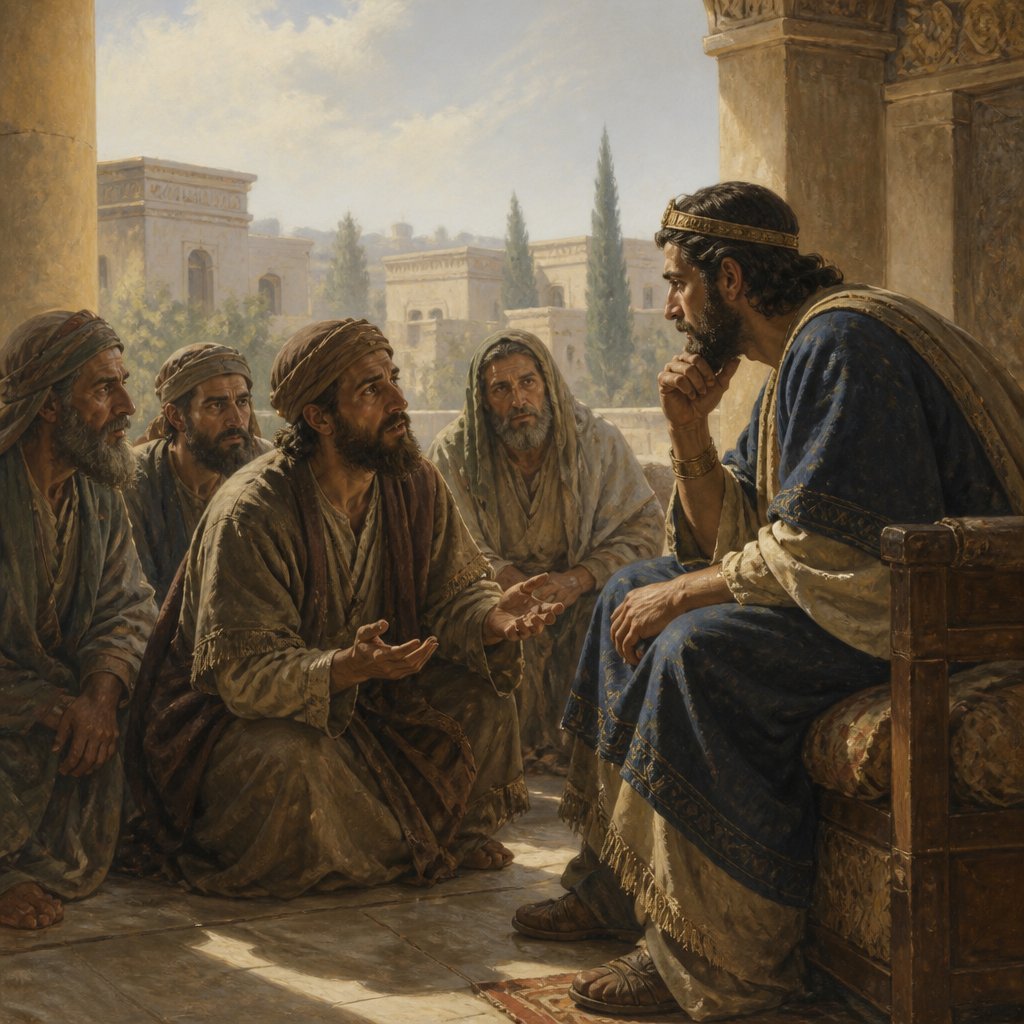
As we delve into Nehemiah 1:2, we encounter a moment of profound introspection and concern from Nehemiah, the cupbearer of the King of Persia. The verse states, "That Hanani, one of my brethren, came, he and certain men of Judah; and I asked them concerning the Jews that had escaped, which were left of the captivity, and concerning Jerusalem" (KJV). This passage, while simple in its narrative, invites us to reflect deeply on themes of community, responsibility, and divine purpose.
Nehemiah's inquiry into the state of Jerusalem following the Babylonian exile reveals a heart that is engaged not just with the present circumstances but also with the historical suffering of his people. Jerusalem, once a city of great splendor and the dwelling place of God's glory, lay in ruins. The exiles who returned had not only physical obstacles to confront but also emotional and spiritual scars from their captivity.
Hanani's visit carries significant weight; it is a personal connection that embodies both family ties and the shared history of a people stained by loss and longing. In this single verse, Nehemiah exemplifies a vital quality that is often lacking in our contemporary lives—sensitivity to the spiritual health of our community. His question, framed by genuine concern, bears the weight of not only current conditions but also the collective memories of sorrow and hope.
This moment prompts us to examine our own responses to the distressing circumstances around us. Are we, like Nehemiah, proactive in seeking out the condition of our communities? Do we take the time to engage deeply with those who share our faith and heritage, asking about their struggles, their burdens, and their joys? Nehemiah did not wait for issues to surface; he took the initiative to inquire, showing that a leader’s heart is tuned to the needs of others.
Moreover, Nehemiah’s inquiry reflects a more profound theological truth. It emphasizes that our faith should lead us to a concern for both individuals and spaces that embody God’s presence. Jerusalem mattered to Nehemiah because it symbolized God’s covenant with His people; it was a spiritual representation of his heritage. In today's context, we are called to care about our spiritual 'Jerusalems'—the churches, communities, and nations that profess the name of Christ. What is the condition of these places? What needs to be restored?
Nehemiah's approach is very much driven by a sense of responsibility and urgency. His inquiry to Hanani was not just a polite conversation starter; it was a catalyst for action that would ultimately lead to a major rebuilding effort. This teaches us an essential principle: awareness ignites action. When we become aware of the needs surrounding us, it compels us to respond. Nehemiah did not simply hear of the distress; he moved—praying and planning until he could undertake the restoration.
The subsequent God-given burden that Nehemiah would carry in the following verses serves as a template for our own lives. When God places a burden on our hearts, it requires us to take ownership, engage in prayer, reflect on what we hear, and ultimately respond in ways that align with God’s desire for restoration and healing.
As we meditate on Nehemiah 1:2, let us ask ourselves—in what ways is God calling us to seek the welfare of our communities? Are we willing to listen intently and act boldly for the sake of those around us? May we be inspired by Nehemiah’s example, embracing the call to inquire, to care, and to act with faithfulness.
In closing, let us remember that our lives can be vessels of God’s hope and renewal. May we follow Nehemiah’s lead in fostering a deeper awareness of the spiritual and physical conditions of those we love, igniting within us a passion to help rebuild and restore the parts of our world that ache for the touch of grace.
Get our apps


Artwork for Nehemiah 1:2

Nehemiah 1:2 - "That Hanani, one of my brethren, came, he and certain men of Judah; and I asked them concerning the Jews that had escaped, which were left of the captivity, and concerning Jerusalem."
"That Hanani, one of my brethren, came, he and certain men of Judah; and I asked them concerning the Jews that had escaped, which were left of the captivity, and concerning Jerusalem." - Nehemiah 1:2

Nehemiah 1:1 - "The words of Nehemiah the son of Hachaliah. And it came to pass in the month Chisleu, in the twentieth year, as I was in Shushan the palace,"

Nehemiah 10:1 - "Now those that sealed were, Nehemiah, the Tirshatha, the son of Hachaliah, and Zidkijah,"

Nehemiah 12:2 - "Amariah, Malluch, Hattush,"

Nehemiah 11:1-19

Nehemiah 10:2 - "Seraiah, Azariah, Jeremiah,"

Nehemiah 11:13

Nehemiah 8:10

Nehemiah 11:11-14

Nehemiah 2:11 - "So I came to Jerusalem, and was there three days."

Nehemiah 2:1 - "And it came to pass in the month Nisan, in the twentieth year of Artaxerxes the king, that wine was before him: and I took up the wine, and gave it unto the king. Now I had not been beforetime sad in his presence."

"The words of Nehemiah the son of Hachaliah. And it came to pass in the month Chisleu, in the twentieth year, as I was in Shushan the palace," - Nehemiah 1:1

"Now those that sealed were, Nehemiah, the Tirshatha, the son of Hachaliah, and Zidkijah," - Nehemiah 10:1

Nehemiah book overview with element mentioned
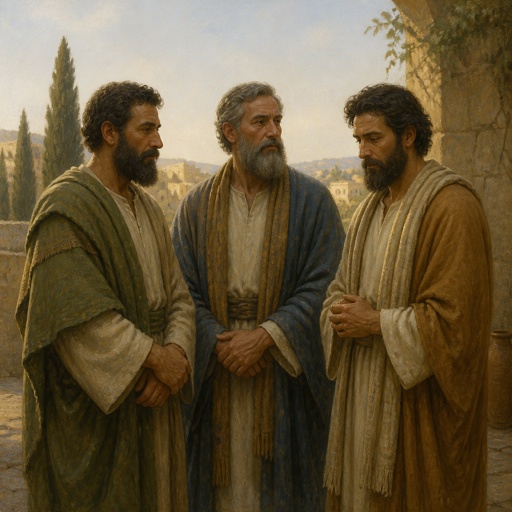
"Seraiah, Azariah, Jeremiah," - Nehemiah 10:2
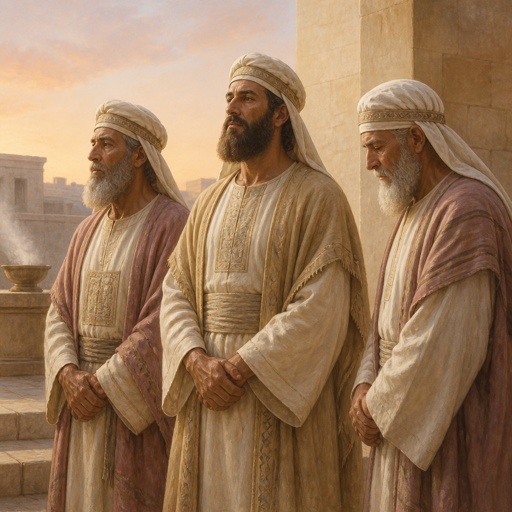
"Amariah, Malluch, Hattush," - Nehemiah 12:2

Nehemiah 11:2 - "And the people blessed all the men, that willingly offered themselves to dwell at Jerusalem."

Nehemiah 5:1 - "And there was a great cry of the people and of their wives against their brethren the Jews."

Ezra 2:2 - "Which came with Zerubbabel: Jeshua, Nehemiah, Seraiah, Reelaiah, Mordecai, Bilshan, Mispar, Bigvai, Rehum, Baanah. The number of the men of the people of Israel:"

Nehemiah 2:14 - "Then I went on to the gate of the fountain, and to the king's pool: but there was no place for the beast that was under me to pass."

Nehemiah 3:2 - "And next unto him builded the men of Jericho. And next to them builded Zaccur the son of Imri."

Nehemiah 9:2 - "And the seed of Israel separated themselves from all strangers, and stood and confessed their sins, and the iniquities of their fathers."

Nehemiah 2:15 - "Then went I up in the night by the brook, and viewed the wall, and turned back, and entered by the gate of the valley, and so returned."

Nehemiah 2:4 - "Then the king said unto me, For what dost thou make request? So I prayed to the God of heaven."

Nehemiah 2:2 - "Wherefore the king said unto me, Why is thy countenance sad, seeing thou art not sick? this is nothing else but sorrow of heart. Then I was very sore afraid,"

"So I came to Jerusalem, and was there three days." - Nehemiah 2:11

Nehemiah 12:1 - "Now these are the priests and the Levites that went up with Zerubbabel the son of Shealtiel, and Jeshua: Seraiah, Jeremiah, Ezra,"

A biblical scene from Nehemiah 1:5-11 - Nehemiah, a Caucasian male in middle-eastern garb, is depicted respectfully requesting time from the king, a Middle-Eastern male seated at the dinner table while Nehemiah is serving his drink. He is asking for the opportunity to return to Judah and help his people build a wall. The setting is a grand royal court marked by golden hues, opulent textiles, and architecturally rich columns.
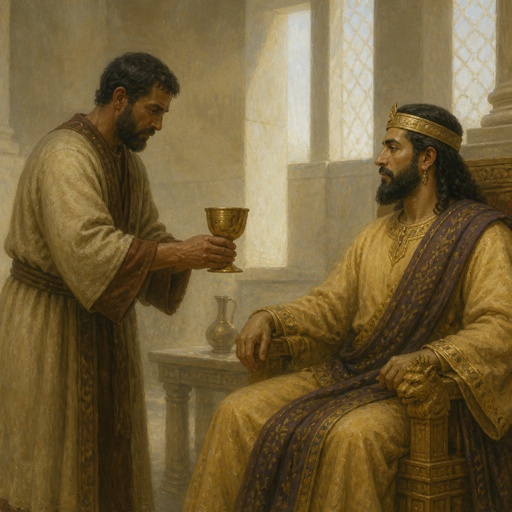
"And it came to pass in the month Nisan, in the twentieth year of Artaxerxes the king, that wine was before him: and I took up the wine, and gave it unto the king. Now I had not been beforetime sad in his presence." - Nehemiah 2:1