The Legacy of Commitment: Lessons from Nehemiah 10:19
“Hariph, Anathoth, Nebai,” — Nehemiah 10:19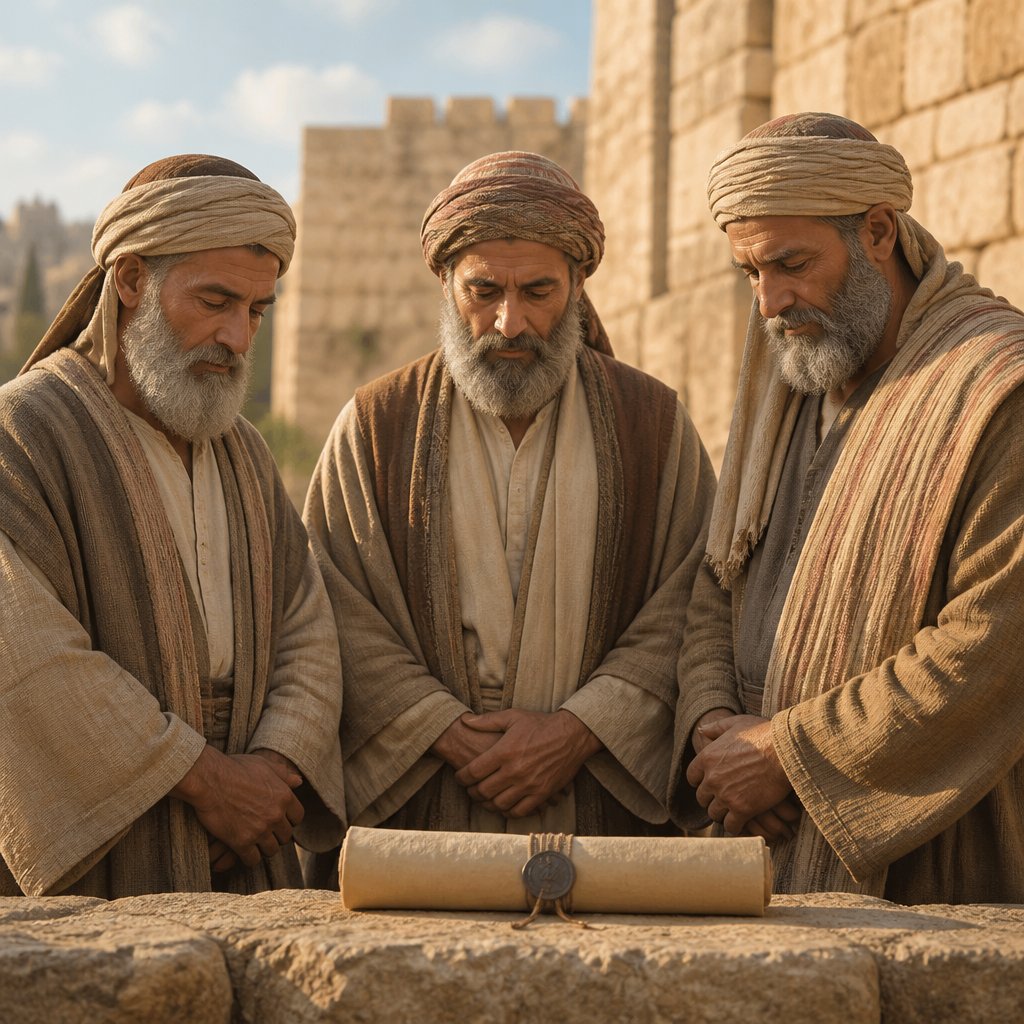
Nehemiah 10:19 reads, "Hariph, Anathoth, Nebai," encapsulating within its brevity a profound commitment and collective promise made by the people of Israel as they returned from exile to rebuild Jerusalem. This verse, though seemingly a list of names, stands as a witness to the covenant renewal in a time of significant restoration and recommitment to God’s ways.
To understand the fullness of this passage, one must appreciate the context in which it emerges. The book of Nehemiah unfolds a narrative of despair, hope, and renewal. After decades of captivity in Babylon, Nehemiah, along with the Jewish people, faced the daunting task of rebuilding the walls of Jerusalem and reestablishing their identity as God’s chosen people. The walls were not merely a physical structure; they represented safety, community, and the presence of Yahweh in their midst.
In Nehemiah 10, following the successful rebuilding of Jerusalem’s walls, the leaders and people gathered intentionally to declare their commitment to the Lord. These verses document a solemn oath to uphold the Law, to sustain the worship of God, and to separate themselves from foreign influences that had previously led them astray. The names recited in 10:19 reflect the various clans and individuals who stood together in this moment of unity and resolve.
In contemporary applications, we can overcome the temptation to overlook the significance of seemingly mundane lists of names in the Bible. Each name carries a story, a testimony of faith, and a commitment to the collective purpose of God’s people. They signify individuals who were willing to identify themselves with God’s work and purpose. Their presence marks a community dedicated to a shared faith journey, a commitment that transforms lives and societies.
As we reflect on Nehemiah 10:19, we may ask ourselves, "What does commitment to God look like in my life today?" The passage invites us to consider several key aspects:
1. **Collective Responsibility**: Just as the people of Israel were convened as a community to make a covenant with God, we too are called into a fellowship of believers. Our faith is not meant to be lived in isolation; rather, it flourishes in the context of communal worship, shared visions, and mutual accountability. This practice encourages us to support one another and remain steadfast in our commitments to God and each other.
2. **Intentional Recommitment**: The act of reaffirming and renewing our commitment to God is a powerful and necessary practice. Life's distractions and challenges can wear down our resolve. In today’s world, distractions abound—social media, work commitments, and personal challenges can dilute our passion for God. Reflect on your own faith journey. When was the last time you articulated your commitment to God? Sometimes, we need to publicly or privately affirm our dedication to grow in our faith and obedience.
3. **Legacy of Faith**: As we explore who we are in Christ, we must recognize that our commitment impacts generations to come. The actions we take and the promises we make will influence those who follow after us. Our children, grandchildren, and community observe our lives—a testimony of God’s faithfulness and love. By committing ourselves to God, we become living legacies of His grace.
4. **Practicing Separation from the World**: The Israelites recognized the need to distance themselves from practices that contradicted their faith. In our own lives, we may need to evaluate what influences we are allowing in. Are there habits or relationships that draw us away from God’s purpose? This passage prompts us to take personal inventory and engage in spiritual discipline to uphold our faith and values.
In conclusion, Nehemiah 10:19 might appear simple, but it resounds with the commitment of God’s people to live lives of honor, dedication, and intimate relationship with God. Let us echo their sentiments in our daily lives, recognizing the power of collective faith and the richness of community, intentionality in our commitments, and the importance of maintaining our distinctiveness as God’s chosen ones. May we live lives worthy of the calling we have received.
Get our apps


Artwork for Nehemiah 10:19

Nehemiah 10:19 - "Hariph, Anathoth, Nebai,"
"Hariph, Anathoth, Nebai," - Nehemiah 10:19

Nehemiah 10:1 - "Now those that sealed were, Nehemiah, the Tirshatha, the son of Hachaliah, and Zidkijah,"

Nehemiah 11:1-19

Nehemiah 10:10 - "And their brethren, Shebaniah, Hodijah, Kelita, Pelaiah, Hanan,"

Nehemiah 12:19 - "And of Joiarib, Mattenai; of Jedaiah, Uzzi;"

Nehemiah 8:10

Nehemiah 8:10

Nehemiah 8:10

Nehemiah 7:19 - "The children of Bigvai, two thousand threescore and seven."

Nehemiah 10:24 - "Hallohesh, Pileha, Shobek,"

Nehemiah 10:22 - "Pelatiah, Hanan, Anaiah,"

Nehemiah 10:5 - "Harim, Meremoth, Obadiah,"

Nehemiah 10:23 - "Hoshea, Hananiah, Hashub,"

Nehemiah 10:21 - "Meshezabeel, Zadok, Jaddua,"

Nehemiah 10:7 - "Meshullam, Abijah, Mijamin,"

Nehemiah 10:11 - "Micha, Rehob, Hashabiah,"

Nehemiah 10:27 - "Malluch, Harim, Baanah."

Nehemiah 10:25 - "Rehum, Hashabnah, Maaseiah,"

Nehemiah 10:6 - "Daniel, Ginnethon, Baruch,"

Nehemiah 10:26 - "And Ahijah, Hanan, Anan,"

Nehemiah 10:16 - "Adonijah, Bigvai, Adin,"

Nehemiah 10:18 - "Hodijah, Hashum, Bezai,"

Nehemiah 10:20 - "Magpiash, Meshullam, Hezir,"

Nehemiah 10:3 - "Pashur, Amariah, Malchijah,"

Nehemiah 10:17 - "Ater, Hizkijah, Azzur,"

Nehemiah 10:4 - "Hattush, Shebaniah, Malluch,"

Nehemiah 10:2 - "Seraiah, Azariah, Jeremiah,"

Nehemiah 10:12 - "Zaccur, Sherebiah, Shebaniah,"

Nehemiah 10:15 - "Bunni, Azgad, Bebai,"