Rebuilding Praise: The Legacy of Thanksgiving in Our Lives
“Then I brought up the princes of Judah upon the wall, and appointed two great companies of them that gave thanks, whereof one went on the right hand upon the wall toward the dung gate:” — Nehemiah 12:31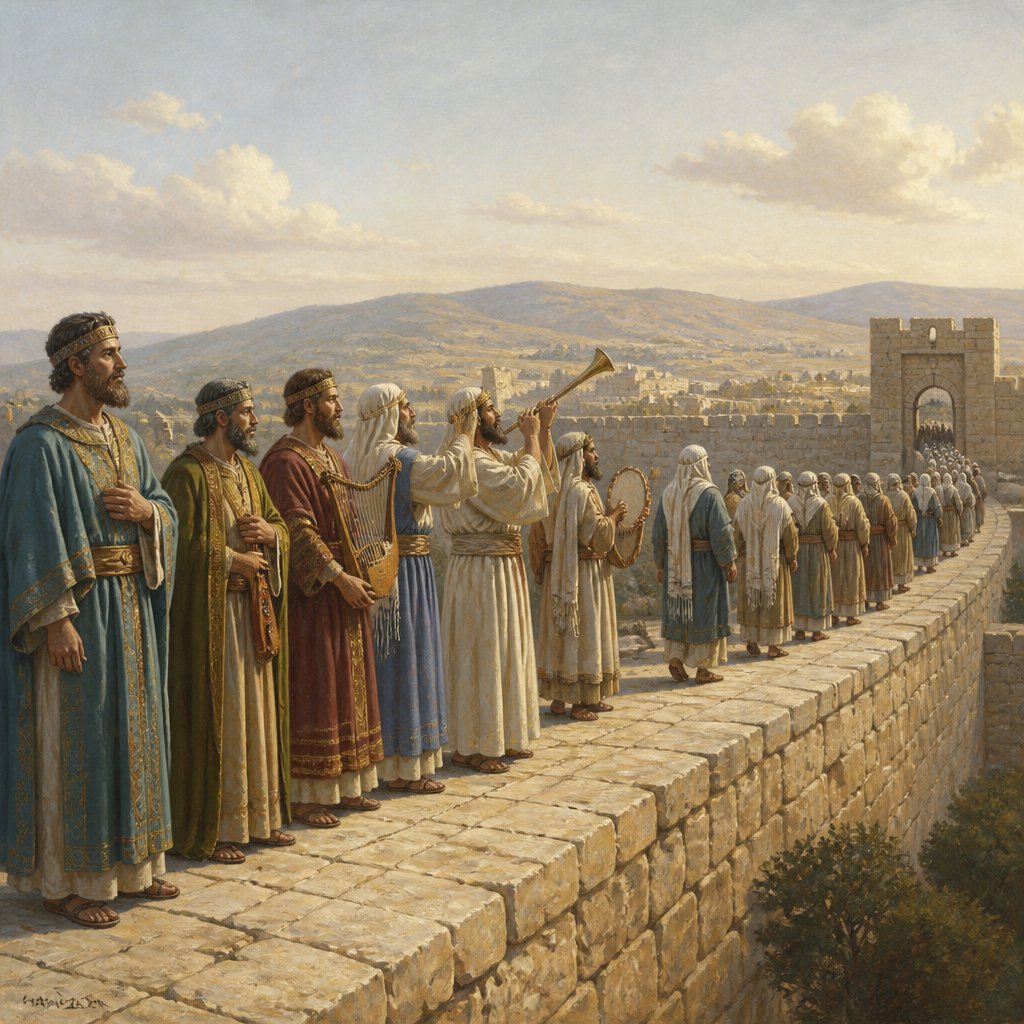
In the book of Nehemiah, we find a narrative filled with leadership, restoration, and celebration. Nehemiah 12:31 (KJV) states, "Then I brought up the princes of Judah upon the wall, and appointed two great companies of them that gave thanks, whereof one went on the right hand upon the wall toward the dung gate." This moments highlights a significant event in the history of the Israelites as they completed the rebuilding of the wall around Jerusalem. But there is much more beneath the surface of this verse, inviting us to dive deeper into the principles of gratitude and the power of communal worship.
Firstly, we observe Nehemiah's intentional leadership as he gathers the princes of Judah. It is crucial to recognize that true leadership often requires mobilizing others in pursuit of collective thanksgiving. Nehemiah’s decision to appoint two companies of people for the purpose of giving thanks speaks to the power of gratitude in a community. He understood that praise must be voiced collectively; worship was not merely an individual endeavor but a communal expression of faith.
As believers, how often do we gather with our community to express our gratitude to God for His provision, protection, and guidance? In our fast-paced world, we can easily fall into routine worship or fail to prioritize thanksgiving. Nehemiah’s example reminds us that corporate gratitude brings about strength and unity within the church. When we acknowledge God’s faithfulness together, we not only honor Him, but we also encourage and uplift each other in faith.
The significance of the wall also cannot be understated. The wall represents the security, identity, and restoration of God’s people. Within this rebuilding effort, the act of thanking God is foundational. When we reflect on our own lives, the moments where God has rebuilt our broken areas should be a catalyst for thanksgiving. Whether it is a relationship restored, a job provided, or healing experienced, our lives tell a story of His relentless goodness and grace. The wall signifies that God wants to be in fellowship with us, and acknowledging His work through thanksgiving strengthens that relationship.
Nehemiah designates one group to go towards the dung gate, a place symbolically associated with refuse and uncleanliness. This choice is profound, for it signifies that gratitude can be cultivated from every aspect of our lives, even the unpleasant ones. It reminds us that there is value in our struggles and that God’s grace can transform our waste into worship.
When we approach areas of our lives that feel abandoned or covered in shame, we are invited to give thanks regardless of the state of our surroundings. Lamentations 3:22-23 tells us, "It is of the Lord's mercies that we are not consumed, because his compassions fail not. They are new every morning: great is thy faithfulness." Nehemiah’s great companies of praise included the reality that they praised God even when facing challenges. It teaches us resilience.
As we ponder this verse, let us ask ourselves, "What are the dung gates in my life?" How can I bring praise to God in these areas? Perhaps it is financial worry, strained relationships, or unfulfilled dreams. The call to gratitude remains louder than our circumstances. In fact, it can reshape our perspective and allow us opportunities to see God’s hand at work in all aspects of our lives.
Finally, let us endeavor to rebuild the walls of thanksgiving within our own hearts. May we not only express gratitude in our personal lives but also join with our church communities to vocalize our praises together. As we dedicate ourselves to practice thanksgiving, we reflect the heart of God and invite others to join in the legacy of grateful living.
In closing, let Nehemiah 12:31 inspire us to commit to this month of thanksgiving, not just during the holiday gatherings, but as an ongoing practice in every season of life, reconsidering what it means to build, maintain, and celebrate the walls—our testimonies of God’s love in community and individually.
Get our apps


Artwork for Nehemiah 12:31
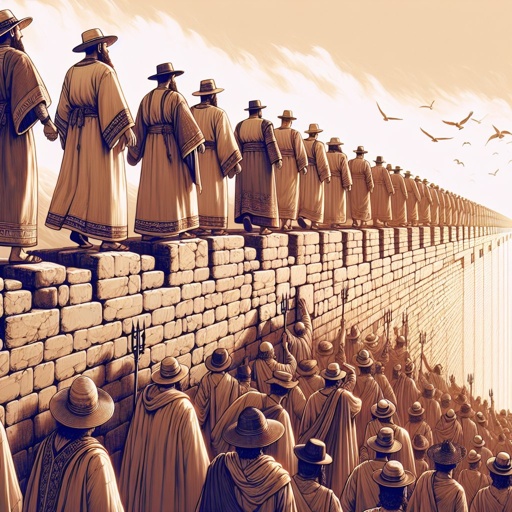
Nehemiah 12:31 - "Then I brought up the princes of Judah upon the wall, and appointed two great companies of them that gave thanks, whereof one went on the right hand upon the wall toward the dung gate:"
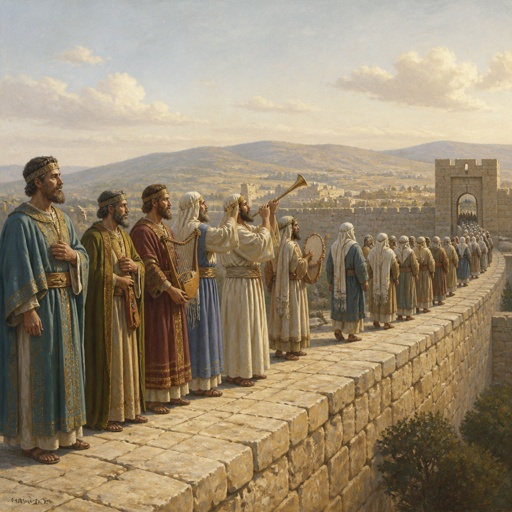
"Then I brought up the princes of Judah upon the wall, and appointed two great companies of them that gave thanks, whereof one went on the right hand upon the wall toward the dung gate:" - Nehemiah 12:31

Nehemiah 7:31 - "The men of Michmas, an hundred and twenty and two."

Titus 3:1-2

Genesis 3: 1-2

Titus 3:1-2

Nehemiah 13:31 - "And for the wood offering, at times appointed, and for the firstfruits. Remember me, O my God, for good."
Nehemiah 11:31 - "The children also of Benjamin from Geba dwelt at Michmash, and Aija, and Beth-el, and in their villages,"
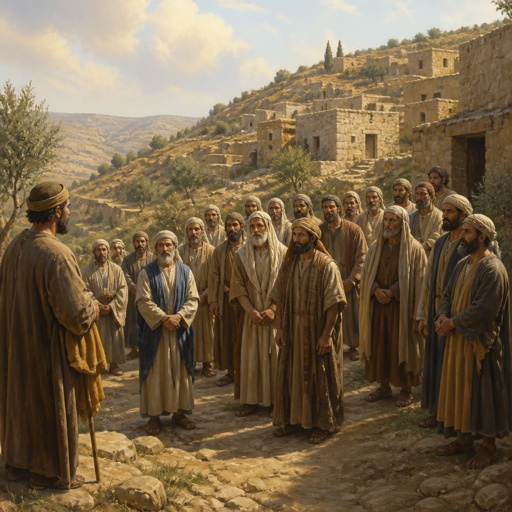
"The men of Michmas, an hundred and twenty and two." - Nehemiah 7:31

Nehemiah 12:26 - "These were in the days of Joiakim the son of Jeshua, the son of Jozadak, and in the days of Nehemiah the governor, and of Ezra the priest, the scribe."

Nehemiah 12:33 - "And Azariah, Ezra, and Meshullam,"

Nehemiah 12:5 - "Miamin, Maadiah, Bilgah,"

Nehemiah 12:2 - "Amariah, Malluch, Hattush,"

Nehemiah 12:4 - "Iddo, Ginnetho, Abijah,"

Nehemiah 12:3 - "Shechaniah, Rehum, Meremoth,"

Nehemiah 10:12 - "Zaccur, Sherebiah, Shebaniah,"

Nehemiah 12:6 - "Shemaiah, and Joiarib, Jedaiah,"

Nehemiah 12:12 - "And in the days of Joiakim were priests, the chief of the fathers: of Seraiah, Meraiah; of Jeremiah, Hananiah;"

Nehemiah 12:16 - "Of Iddo, Zechariah; of Ginnethon, Meshullam;"

Nehemiah 12:13 - "Of Ezra, Meshullam; of Amariah, Jehohanan;"

Nehemiah 12:20 - "Of Sallai, Kallai; of Amok, Eber;"

Nehemiah 12:19 - "And of Joiarib, Mattenai; of Jedaiah, Uzzi;"

Nehemiah 12:34 - "Judah, and Benjamin, and Shemaiah, and Jeremiah,"

Nehemiah 12:15 - "Of Harim, Adna; of Meraioth, Helkai;"

Nehemiah 12:18 - "Of Bilgah, Shammua; of Shemaiah, Jehonathan;"

Nehemiah 12:14 - "Of Melicu, Jonathan; of Shebaniah, Joseph;"

Nehemiah 12:21 - "Of Hilkiah, Hashabiah; of Jedaiah, Nethaneel."

Nehemiah 12:17 - "Of Abijah, Zichri; of Miniamin, of Moadiah, Piltai;"

Nehemiah 12:11 - "And Joiada begat Jonathan, and Jonathan begat Jaddua."
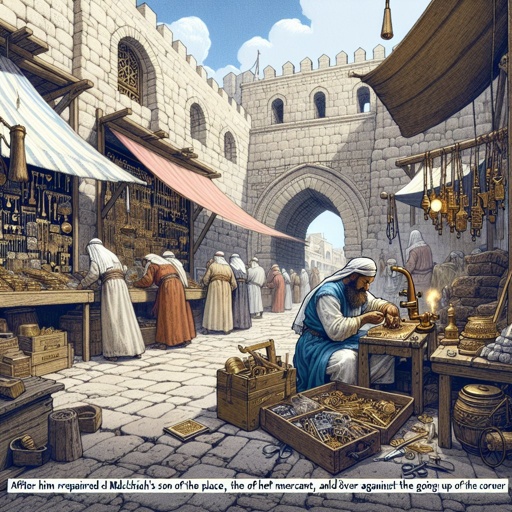
Nehemiah 3:31 - "After him repaired Malchiah the goldsmith's son unto the place of the Nethinims, and of the merchants, over against the gate Miphkad, and to the going up of the corner."