Watchmen of the Wall: A Call to Vigilance in Our Spiritual Lives
“Also Bakbukiah and Unni, their brethren, were over against them in the watches.” — Nehemiah 12:9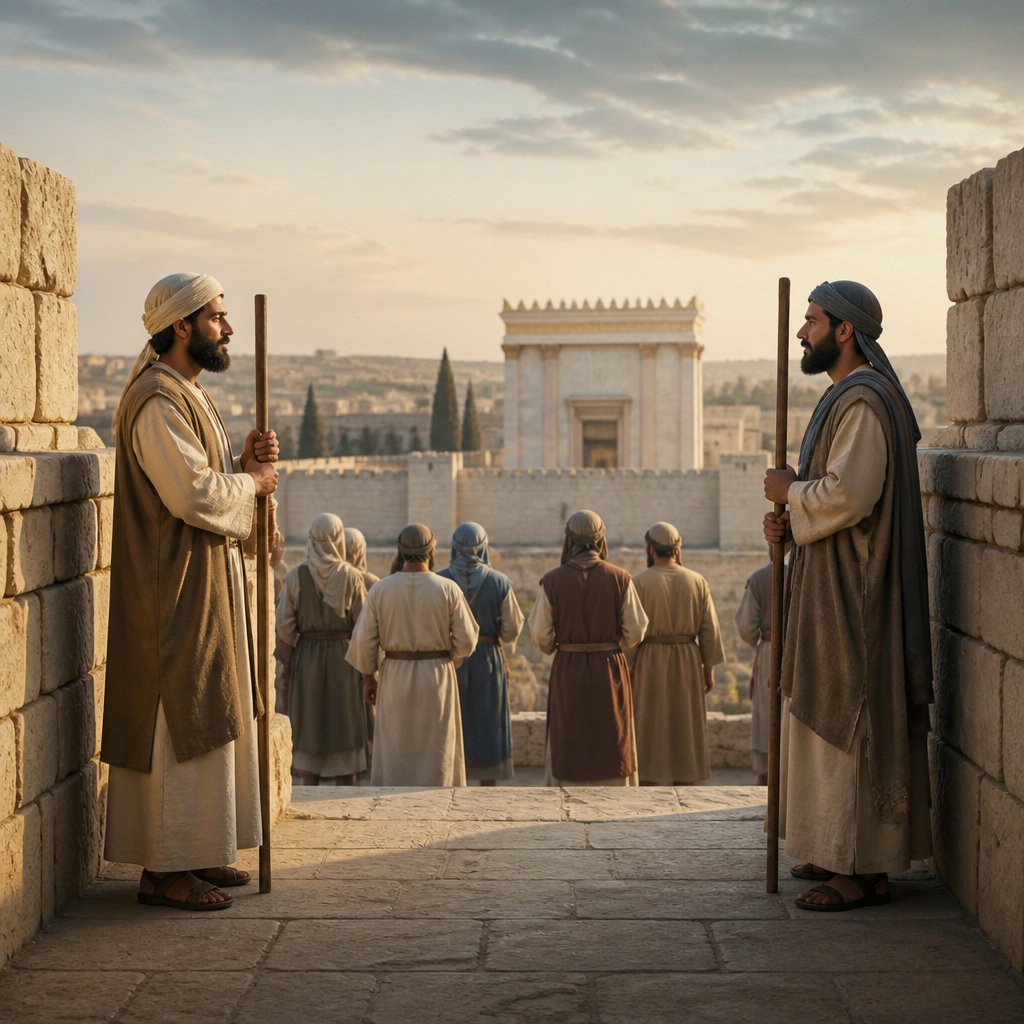
The verse Nehemiah 12:9 states, "Also Bakbukiah and Unni, their brethren, were over against them in the watches." At first glance, this scripture comes from a list of names and roles in the restoration of Jerusalem post-exile, but within it lies profound spiritual insight about vigilance and community in the life of faith.
In the context of Nehemiah, the people of Israel were returning to rebuild their city and restore their worship after decades of captivity. The rebuilding of the wall symbolized not just a physical restoration but a re-establishment of spiritual order and identity. The mention of Bakbukiah and Unni, along with their brethren, emphasizes the importance of community in the body of Christ, particularly during times of restoration and adversity.
The term "watches" denotes a time of guard duty. In ancient Israel, watchmen were tasked with standing watch over the city to ensure that it remained safe from enemies. This duty required individuals to be alert, vigilant, and ready to act at a moment's notice. Spiritually, this mirrors the call to vigilance that we too must embody as followers of Christ.
**The Call to Vigilance**
Just as Bakbukiah and Unni stood guard, we are called to remain watchful over our spiritual lives. The Bible often uses the metaphor of watchfulness to signify the need for spiritual alertness. In 1 Peter 5:8, we are warned to be sober and vigilant because our adversary, the devil, walks about like a roaring lion, seeking whom he may devour. This vigilance is not just about personal spirituality; it extends to being watchful over one another, as Bakbukiah and Unni were for their brethren.
In contemporary terms, we can think about the various roles we play in our communities of faith. Are we being watchful for our brothers and sisters in Christ? Are we keeping each other accountable and providing support in times of trial? Our spiritual families are meant to encourage one another, but that requires a proactive approach. Just as Bakbukiah and Unni had clear roles, we too must understand our calls within the family of God – whether as encouragers, protectors, or prayer warriors.
**The Importance of Community**
The gathering of "brethren" emphasizes that faith is not a solo endeavor. The rebuilding of the wall was a community effort. Likewise, our spiritual journeys flourish when we engage with others. The Body of Christ is intricately designed for interdependence, where each member plays a unique role in supporting one another.
When we consider how Bakbukiah and Unni positioned themselves "over against" each other, we visualize a strategic alignment, much like soldiers forming ranks. This act is a reminder of the importance of unity and mutual support. When we stand united in prayer, worship, and action, we present a formidable defense against the challenges that come our way. As Hebrews 10:24-25 encourages, we should provoke one another to love and good works, not forsaking our assembling together.
**Embracing Our Roles**
As we reflect on the roles of Bakbukiah and Unni, we might ask ourselves what roles God has called us to within our own communities. Each of us has a part to play. Are we watching out for those struggling in their faith? Are we lifting those who are downtrodden or exhausted? Perhaps we have been called to be a voice of encouragement or a servant ready to help. Our commitments, however small, contribute to the overall strength and health of our spiritual walls.
In conclusion, let us take to heart the powerful imagery found in Nehemiah 12:9. Instead of merely viewing our faith as individualistic, let us embrace the community, the "brethren", and take our posts in the watches of prayer, encouragement, and accountability. May we be vigilant and ready to act, fostering a secure environment where God’s work can thrive. Let the example of Bakbukiah, Unni, and their companions inspire us to uphold each other and defend our faith collectively as we await the return of our Lord.
Get our apps


Artwork for Nehemiah 12:9

Nehemiah 12:9 - "Also Bakbukiah and Unni, their brethren, were over against them in the watches."
"Also Bakbukiah and Unni, their brethren, were over against them in the watches." - Nehemiah 12:9

Nehemiah 9:12 - "Moreover thou leddest them in the day by a cloudy pillar; and in the night by a pillar of fire, to give them light in the way wherein they should go."
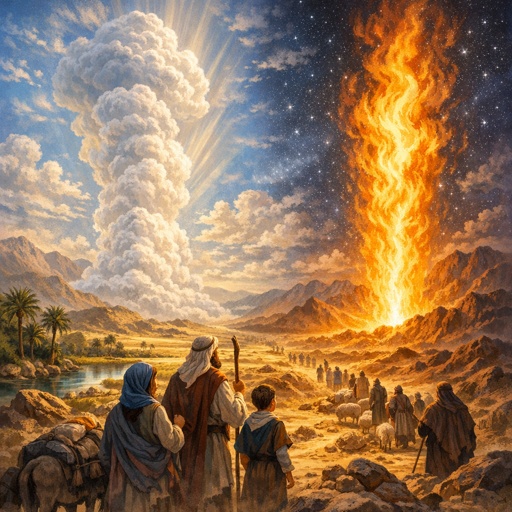
"Moreover thou leddest them in the day by a cloudy pillar; and in the night by a pillar of fire, to give them light in the way wherein they should go." - Nehemiah 9:12

Nehemiah 6:9

Nehemiah 12:26 - "These were in the days of Joiakim the son of Jeshua, the son of Jozadak, and in the days of Nehemiah the governor, and of Ezra the priest, the scribe."

Nehemiah 12:5 - "Miamin, Maadiah, Bilgah,"

Nehemiah 12:33 - "And Azariah, Ezra, and Meshullam,"

Nehemiah 12:4 - "Iddo, Ginnetho, Abijah,"

Nehemiah 12:2 - "Amariah, Malluch, Hattush,"

Nehemiah 12:3 - "Shechaniah, Rehum, Meremoth,"

Nehemiah 10:12 - "Zaccur, Sherebiah, Shebaniah,"

Nehemiah 12:6 - "Shemaiah, and Joiarib, Jedaiah,"

Nehemiah 12:12 - "And in the days of Joiakim were priests, the chief of the fathers: of Seraiah, Meraiah; of Jeremiah, Hananiah;"

Nehemiah 12:13 - "Of Ezra, Meshullam; of Amariah, Jehohanan;"

Nehemiah 12:16 - "Of Iddo, Zechariah; of Ginnethon, Meshullam;"

Nehemiah 12:20 - "Of Sallai, Kallai; of Amok, Eber;"

Nehemiah 9:9 - "And didst see the affliction of our fathers in Egypt, and heardest their cry by the Red sea;"

Nehemiah 12:19 - "And of Joiarib, Mattenai; of Jedaiah, Uzzi;"

Nehemiah 12:34 - "Judah, and Benjamin, and Shemaiah, and Jeremiah,"

Nehemiah 12:15 - "Of Harim, Adna; of Meraioth, Helkai;"

Nehemiah 12:18 - "Of Bilgah, Shammua; of Shemaiah, Jehonathan;"

Nehemiah 12:21 - "Of Hilkiah, Hashabiah; of Jedaiah, Nethaneel."

Nehemiah 12:14 - "Of Melicu, Jonathan; of Shebaniah, Joseph;"

Nehemiah 12:17 - "Of Abijah, Zichri; of Miniamin, of Moadiah, Piltai;"

Nehemiah 12:11 - "And Joiada begat Jonathan, and Jonathan begat Jaddua."

Nehemiah 7:9 - "The children of Shephatiah, three hundred seventy and two."

Nehemiah 7:12 - "The children of Elam, a thousand two hundred fifty and four."

Nehemiah 12:32 - "And after them went Hoshaiah, and half of the princes of Judah,"

"Miamin, Maadiah, Bilgah," - Nehemiah 12:5