Restoration: Guarding the Sacred Day
“Then I contended with the nobles of Judah, and said unto them, What evil thing is this that ye do, and profane the sabbath day?” — Nehemiah 13:17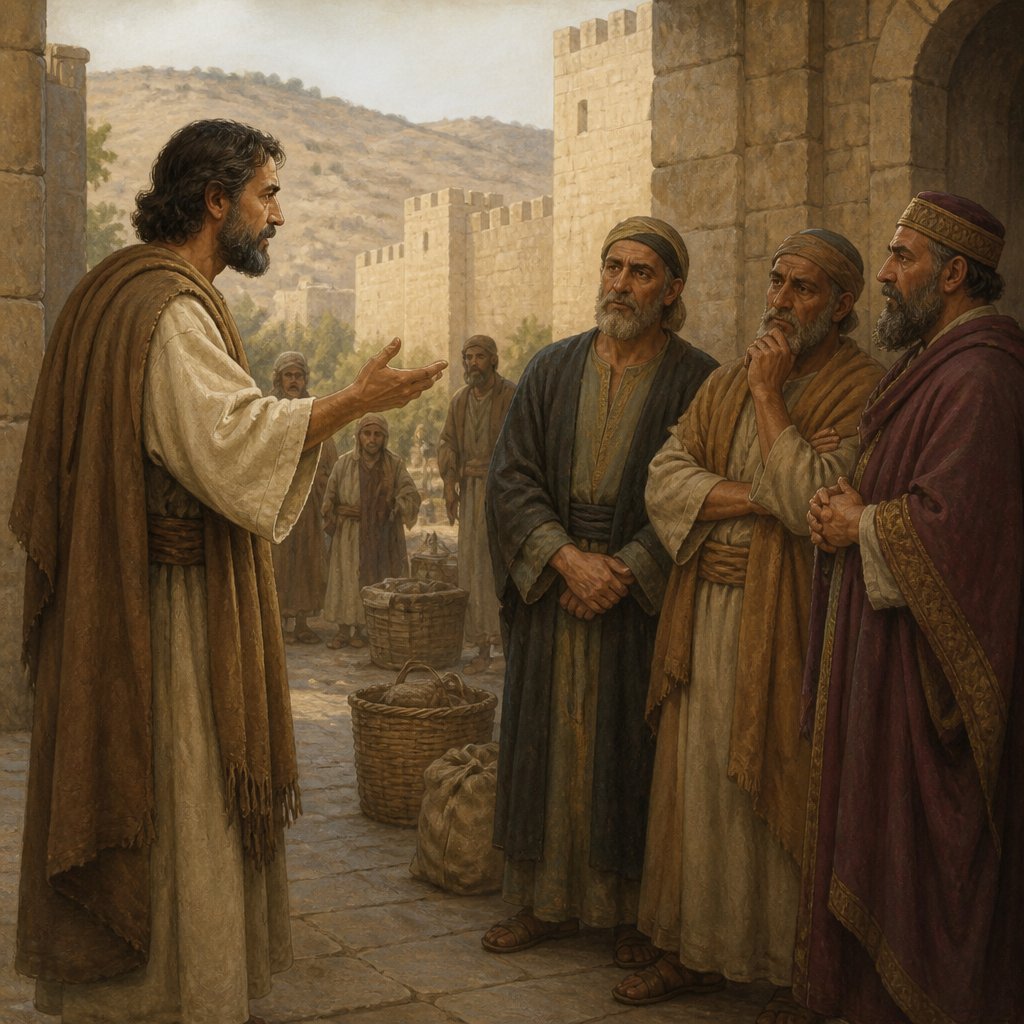
In Nehemiah 13:17, we find a profound moment that reflects not only the historical context of the Israelites but also their spiritual state. The verse states, "Then I contended with the nobles of Judah, and said unto them, What evil thing is this that ye do, and profane the sabbath day?" This passage, though rooted in a specific time and situation, speaks to us about integrity, responsibility, and the sacredness of our commitments to God.
After returning from exile, Nehemiah was tasked with the monumental work of rebuilding Jerusalem's walls and restoring the people to their covenant relationship with God. He encountered numerous challenges, and they were not only physical or external, but also internal — attitudes and actions that undermined the very foundation of their faith.
The Sabbath has always been much more than just a day of rest; it is a sacred sign between God and His people, a day where one can cease from labor and be rejuvenated spiritually. In the Old Testament, as illustrated throughout the Scripture, the proper observance of the Sabbath was a symptom of a righteous nation and a community devoted to God’s law. When Nehemiah saw the nobles profaning the Sabbath day, his spirit was stirred within him.
What does it mean to "profane the Sabbath day"? It implies treating it as common, not recognizing its sacred purpose. For the nobles of Judah, engaging in commerce and allowing outsiders to conduct transactions made the Sabbath just another workday, stripped of its intended holiness. Nehemiah’s reaction to this was rooted in a deep love for God and His people; he knew that the neglect of this sacred time would lead to spiritual ruin. If the leaders of the people, the nobles, disregarded the covenantal sign of their relationship with God, how could the average person be expected to honor it?
Nehemiah’s contention serves a dual purpose. One, it illustrates a righteous anger against the desecration of holy things; and two, it acts as a challenge to accountability — a reminder that our actions reflect our values. It prompts us to ask ourselves: What are the sacred cows in our lives that we allow to be compromised? What practices or behaviors do we engage in that may not only appear mundane but may actually tarnish our relationship with God?
In today’s context, the Sabbath can take various forms, often more about our rhythm of life than a specific day of the week. It can mean setting aside time for worship, moments of reflection, and ensuring a space where we commune with God away from life's chaos. Yet, we can easily slip into patterns where we pack our schedules so full that we sacrifice this sacred practice. If we are not cautious, we risk profaning our "Sabbath" — diminishing our connection with God.
As we reflect on Nehemiah 13:17, it’s vital for us to assess the areas of our lives where we may be overlooking the importance of setting aside time for God. The health of our spiritual life is often linked to our observance of sacred rhythms. Just as Nehemiah contended with the nobles for their actions, we must also contend for our time, prioritizing it in a world that clamors for our attention and demands our energy.
Moreover, as leaders in our circles—whether within our families, workplaces, or communities—let us be vigilant guardians of the sacred. It is our duty to uphold what is holy and right, encouraging others to join in the rhythm of grace that God designed for His creation. Let us create Sabbath practices that not only refresh our souls but also testify to the goodness of God amidst the noise of our routine lives.
In conclusion, as we meditate on Nehemiah 13:17, let it challenge us to honor our commitments to God and recognize that the Sabbath is a necessary pillar in our faith journey. We must contend with ourselves and our communities to protect and cherish this divine gift — for in doing so, we draw closer to God, keep His commands, and reflect His presence in our daily lives.
Get our apps


Artwork for Nehemiah 13:17

Nehemiah 13:17 - "Then I contended with the nobles of Judah, and said unto them, What evil thing is this that ye do, and profane the sabbath day?"
"Then I contended with the nobles of Judah, and said unto them, What evil thing is this that ye do, and profane the sabbath day?" - Nehemiah 13:17

Nehemiah 11:13

Nehemiah 10:17 - "Ater, Hizkijah, Azzur,"

Nehemiah 12:17 - "Of Abijah, Zichri; of Miniamin, of Moadiah, Piltai;"

Nehemiah 10:13 - "Hodijah, Bani, Beninu."

Nehemiah 12:13 - "Of Ezra, Meshullam; of Amariah, Jehohanan;"
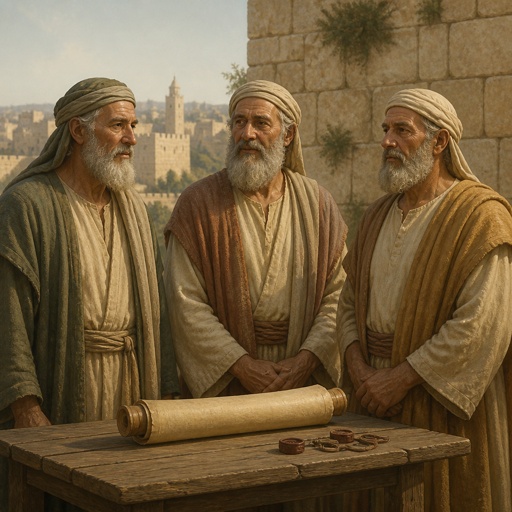
"Ater, Hizkijah, Azzur," - Nehemiah 10:17

Nehemiah 7:13 - "The children of Zattu, eight hundred forty and five."

Nehemiah 7:17 - "The children of Azgad, two thousand three hundred twenty and two."

"Hodijah, Bani, Beninu." - Nehemiah 10:13

Nehemiah 4:17 – "Those who carried materials did their work with one hand and held a weapon in the other."

Nehemiah 4:17 – "Those who carried materials did their work with one hand and held a weapon in the other."

"Of Ezra, Meshullam; of Amariah, Jehohanan;" - Nehemiah 12:13
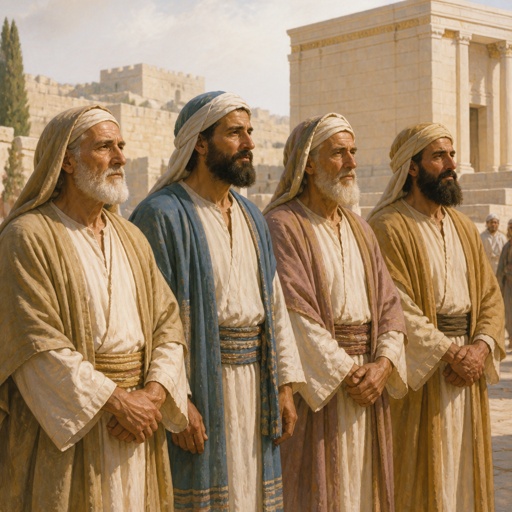
"Of Abijah, Zichri; of Miniamin, of Moadiah, Piltai;" - Nehemiah 12:17

Nehemiah 13:12 - "Then brought all Judah the tithe of the corn and the new wine and the oil unto the treasuries."

Nehemiah 13:31 - "And for the wood offering, at times appointed, and for the firstfruits. Remember me, O my God, for good."

Nehemiah 13:20 - "So the merchants and sellers of all kind of ware lodged without Jerusalem once or twice."

Nehemiah 13:4 - "¶ And before this, Eliashib the priest, having the oversight of the chamber of the house of our God, was allied unto Tobiah:"

Nehemiah 13:23 - "¶ In those days also saw I Jews that had married wives of Ashdod, of Ammon, and of Moab:"

Nehemiah 13:29 - "Remember them, O my God, because they have defiled the priesthood, and the covenant of the priesthood, and of the Levites."

Nehemiah 13:24 - "And their children spake half in the speech of Ashdod, and could not speak in the Jews' language, but according to the language of each people."

Nehemiah 13:8 - "And it grieved me sore: therefore I cast forth all the household stuff of Tobiah out of the chamber."

Nehemiah 4:17 – "Those who carried materials did their work with one hand and held a weapon in the other."

Nehemiah 6:17 - "¶ Moreover in those days the nobles of Judah sent many letters unto Tobiah, and the letters of Tobiah came unto them."

Nehemiah 13:3 - "Now it came to pass, when they had heard the law, that they separated from Israel all the mixed multitude."

Nehemiah 13:9 - "Then I commanded, and they cleansed the chambers: and thither brought I again the vessels of the house of God, with the meat offering and the frankincense."

Nehemiah 13:7 - "And I came to Jerusalem, and understood of the evil that Eliashib did for Tobiah, in preparing him a chamber in the courts of the house of God."

"The children of Zattu, eight hundred forty and five." - Nehemiah 7:13

Nehemiah 13:13 - "And I made treasurers over the treasuries, Shelemiah the priest, and Zadok the scribe, and of the Levites, Pedaiah: and next to them was Hanan the son of Zaccur, the son of Mattaniah: for they were counted faithful, and their office was to distribute unto their brethren."