The Weight of Influence: Lessons from Solomon's Fall
“Did not Solomon king of Israel sin by these things? yet among many nations was there no king like him, who was beloved of his God, and God made him king over all Israel: nevertheless even him did outlandish women cause to sin.” — Nehemiah 13:26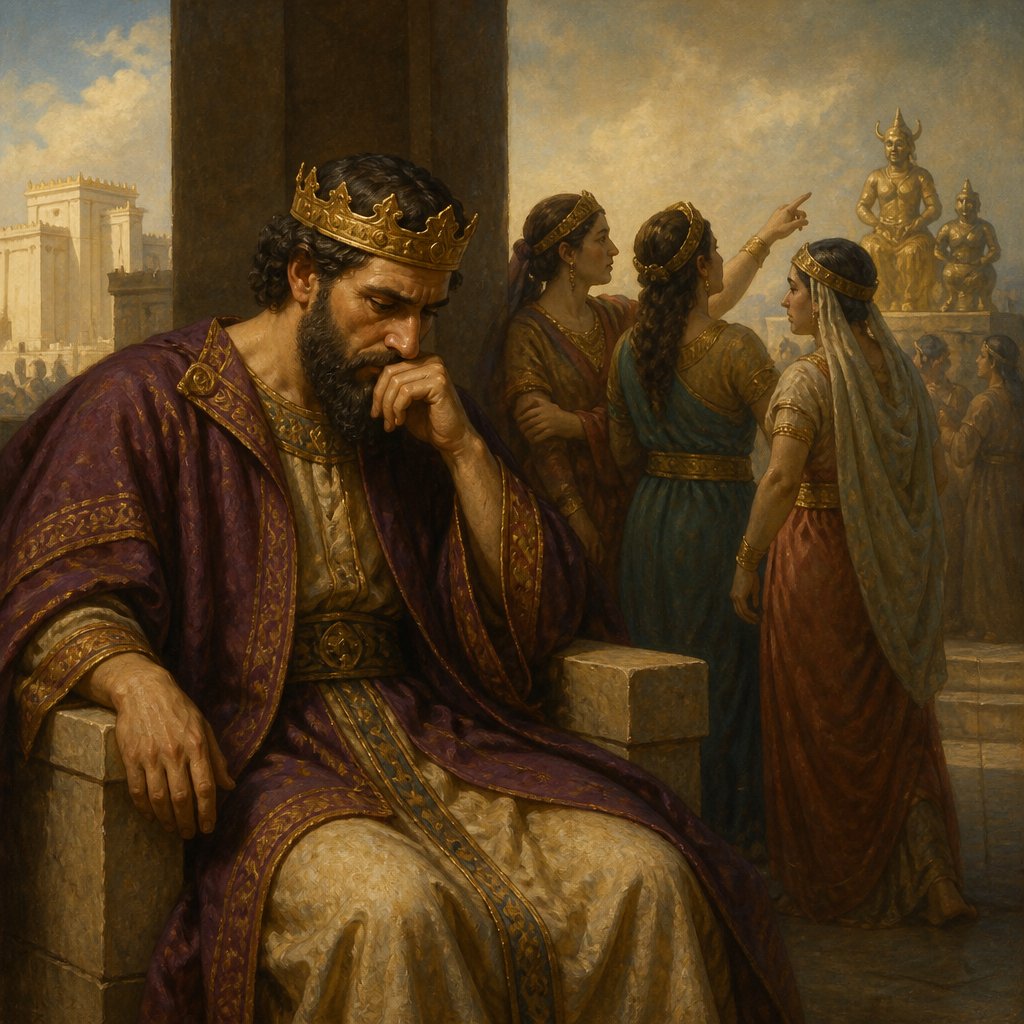
Solomon, the wisest king who ever reigned over Israel, is a figure whose life and choices echo through the ages. In Nehemiah 13:26, we read, "Did not Solomon king of Israel sin by these things? yet among many nations was there no king like him, who was beloved of his God, and God made him king over all Israel: nevertheless even him did outlandish women cause to sin." This verse serves as a poignant reminder that wisdom and favor with God are not surefire shields against temptation and moral failure.
As we explore the implications of this scripture, we find ourselves confronted with the truth about influence and the subtle, yet powerful, nature of our associations. Solomon's reign was marked by unparalleled prosperity and wisdom; he was a man who, in his youth, asked God for wisdom to govern His people effectively (1 Kings 3:9). God not only granted this request but also bestowed upon Solomon wealth and honor beyond compare. Yet, despite his exceptional position and his close relationship with God, Solomon faltered, and that failure stemmed from the very relationships he cultivated.
The term "outlandish women" speaks to more than just marital unions; it encapsulates that which is foreign or contrary to God's design and wishes. God's command to the Israelites was clear: they were not to intermarry with those who followed other gods (Deuteronomy 7:3-4). To Solomon, these marriages were not only politically strategic but also indicated a departure from covenant faithfulness. His choices led him away from the singular devotion that God desired from His people, ultimately resulting in a divided heart – a heart that chased after the allure of foreign idols, which stoked God's righteous anger (1 Kings 11:4).
Reflection upon Solomon's story reveals several key lessons that resonate deeply with our contemporary lives. First, it emphasizes the imperative of guarding our hearts. Solomon's heart was once wholeheartedly devoted to God, yet he slowly allowed external influences to compromise his faith. In our own lives, we are surrounded by temptations that can infiltrate our hearts, such as secular ideals, materialism, and even relationships that challenge our loyalty to God. We must be diligent and discerning regarding which influences we permit to pervade our lives.
Second, Solomon's fall serves as a warning that no one is above reproach, regardless of their wisdom or stature. Many of us might consider ourselves seasoned believers or mentors, yet we must always be on guard against complacency. The moment we believe we are beyond the reach of temptation, we set ourselves up for a fall. The Bible reminds us to remain humble and vigilant (1 Corinthians 10:12).
Lastly, we are reminded of the impact of our choices on the generations that follow us. Solomon's reign ended with a divided kingdom and a legacy tainted by his choices. Our actions and decisions do not affect only our lives; they have the potential to create ripple effects in our families, communities, and even beyond. May we strive for choices that honor God, ensuring that we leave behind a legacy of faith rather than division.
In conclusion, Nehemiah 13:26 calls us to reflect on the life of Solomon and learn from his missteps. Let us strive to cultivate relationships that edify our walk with Christ, actively seek God’s wisdom in our associations, and remain humble in our pursuit of holiness. As we navigate our lives, may we heed the lessons from Solomon and stand firmly grounded in our faith, ensuring that our hearts remain wholly devoted to God, not allowing any influence to lead us astray.
Get our apps


Artwork for Nehemiah 13:26
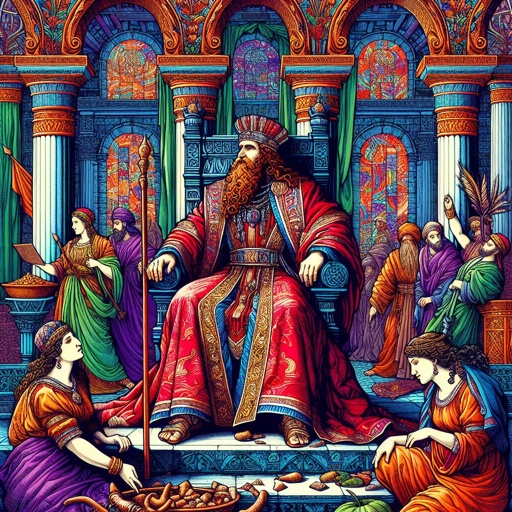
Nehemiah 13:26 - "Did not Solomon king of Israel sin by these things? yet among many nations was there no king like him, who was beloved of his God, and God made him king over all Israel: nevertheless even him did outlandish women cause to sin."
"Did not Solomon king of Israel sin by these things? yet among many nations was there no king like him, who was beloved of his God, and God made him king over all Israel: nevertheless even him did outlandish women cause to sin." - Nehemiah 13:26

Nehemiah 12:26 - "These were in the days of Joiakim the son of Jeshua, the son of Jozadak, and in the days of Nehemiah the governor, and of Ezra the priest, the scribe."

Nehemiah 10:26 - "And Ahijah, Hanan, Anan,"

Nehemiah 11:26 - "And at Jeshua, and at Moladah, and at Beth-phelet,"

Nehemiah 7:26 - "The men of Beth-lehem and Netophah, an hundred fourscore and eight."

Nehemiah 11:13

"And Ahijah, Hanan, Anan," - Nehemiah 10:26

Nehemiah 10:13 - "Hodijah, Bani, Beninu."

"And at Jeshua, and at Moladah, and at Beth-phelet," - Nehemiah 11:26

Nehemiah 12:13 - "Of Ezra, Meshullam; of Amariah, Jehohanan;"

Nehemiah 7:13 - "The children of Zattu, eight hundred forty and five."

"These were in the days of Joiakim the son of Jeshua, the son of Jozadak, and in the days of Nehemiah the governor, and of Ezra the priest, the scribe." - Nehemiah 12:26

"Hodijah, Bani, Beninu." - Nehemiah 10:13

Nehemiah 3:26 - "Moreover the Nethinims dwelt in Ophel, unto the place over against the water gate toward the east, and the tower that lieth out."
"The men of Beth-lehem and Netophah, an hundred fourscore and eight." - Nehemiah 7:26

"Of Ezra, Meshullam; of Amariah, Jehohanan;" - Nehemiah 12:13

Nehemiah 13:12 - "Then brought all Judah the tithe of the corn and the new wine and the oil unto the treasuries."

Nehemiah 13:31 - "And for the wood offering, at times appointed, and for the firstfruits. Remember me, O my God, for good."

Nehemiah 13:20 - "So the merchants and sellers of all kind of ware lodged without Jerusalem once or twice."

Nehemiah 13:4 - "¶ And before this, Eliashib the priest, having the oversight of the chamber of the house of our God, was allied unto Tobiah:"

Nehemiah 13:23 - "¶ In those days also saw I Jews that had married wives of Ashdod, of Ammon, and of Moab:"

Nehemiah 13:29 - "Remember them, O my God, because they have defiled the priesthood, and the covenant of the priesthood, and of the Levites."

Nehemiah 13:24 - "And their children spake half in the speech of Ashdod, and could not speak in the Jews' language, but according to the language of each people."

Nehemiah 13:8 - "And it grieved me sore: therefore I cast forth all the household stuff of Tobiah out of the chamber."

Nehemiah 13:3 - "Now it came to pass, when they had heard the law, that they separated from Israel all the mixed multitude."

"The children of Zattu, eight hundred forty and five." - Nehemiah 7:13

Nehemiah 13:9 - "Then I commanded, and they cleansed the chambers: and thither brought I again the vessels of the house of God, with the meat offering and the frankincense."

Nehemiah 13:7 - "And I came to Jerusalem, and understood of the evil that Eliashib did for Tobiah, in preparing him a chamber in the courts of the house of God."

Nehemiah 13:13 - "And I made treasurers over the treasuries, Shelemiah the priest, and Zadok the scribe, and of the Levites, Pedaiah: and next to them was Hanan the son of Zaccur, the son of Mattaniah: for they were counted faithful, and their office was to distribute unto their brethren."