Standing Firm in the Face of Opposition
“But when Sanballat the Horonite, and Tobiah the servant, the Ammonite, and Geshem the Arabian, heard it, they laughed us to scorn, and despised us, and said, What is this thing that ye do? will ye rebel against the king?” — Nehemiah 2:19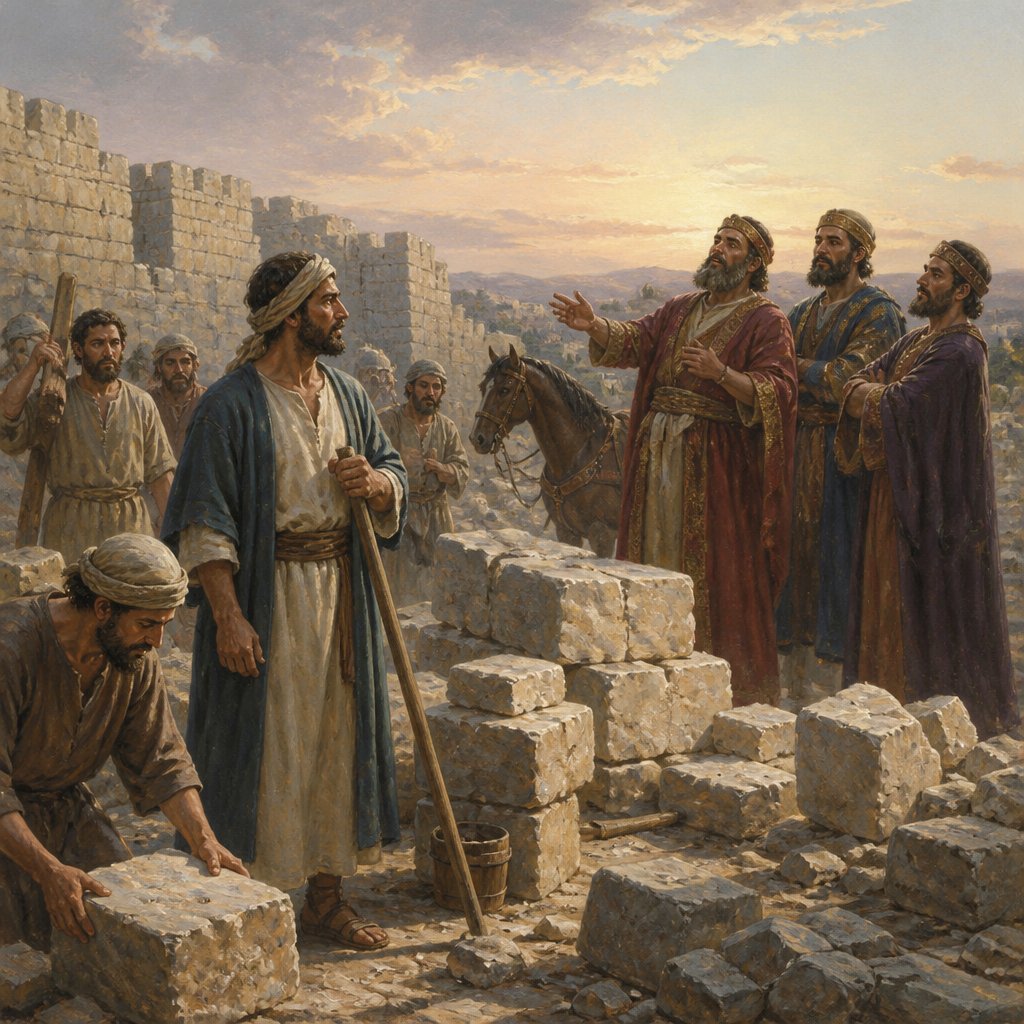
In the book of Nehemiah, we witness an extraordinary leader who embodies the essence of faith, determination, and resilient spirit in the face of adversity. Nehemiah's mission was clear: to rebuild the broken walls of Jerusalem and restore hope to a devastated city. However, as we explore Nehemiah 2:19, we encounter significant opposition: "But when Sanballat the Horonite, and Tobiah the servant, the Ammonite, and Geshem the Arabian, heard it, they laughed us to scorn, and despised us, and said, What is this thing that ye do? will ye rebel against the king?" (KJV). This verse reveals the obstacles Nehemiah faced as he set out to fulfill God's will for his people.
Sanballat, Tobiah, and Geshem represented a coalition of forces determined to thwart Nehemiah's efforts. Their ridicule and disdain were attempts to undermine his leadership and demoralize the people. Yet, Nehemiah’s strength came not from his circumstances but from a profound belief in God's calling and promises.
Opposition often greets any endeavor attempting to fulfill God's purpose, and Nehemiah's experience reminds us that laughter and scorn can be part of the journey. When those around us question our motivations and mock our attempts, we must reflect on Nehemiah’s response. First, he did not invite their opinions to shape his mission; instead, he focused on his calling from God. Rather than being discouraged by their jeers and doubt, Nehemiah leaned into prayer. Earlier in chapter one, he cried out to the Lord, seeking guidance and strength to lead his people. This foundational prayer life is crucial for all believers tasked with any significant work for God.
The mocking of Sanballat and Tobiah was a strategic attempt to instill fear, cause self-doubt, and divert the people from their mission. In that very moment of opposition, Nehemiah exemplified the principle of perseverance. He replied to their accusations without engaging in a fruitless argument; rather, he reaffirmed his commitment: "The God of heaven, he will prosper us; therefore we his servants will arise and build: but ye have no portion, nor right, nor memorial in Jerusalem" (Nehemiah 2:20, KJV). Such a response speaks volumes about the power of faith in the face of adversity. It demonstrates that Nehemiah had his focus on God’s promise rather than the threats posed by mere mortals.
In our Christian walk, we too can encounter Sanballat and Tobiah types—people who lean towards negativity, skeptics who question our vision, and even those who might misinterpret our intentions. Their laughter can echo in myriad ways, from sarcastic comments to outright criticism aimed to deter us from our path. However, Nehemiah’s example teaches us several important lessons about handling opposition: First, recognize that adversities are often part of any endeavor God calls us to pursue. Secondly, anchoring ourselves in prayer is essential; it prepares our hearts and fortifies our resolve against ridicule. Furthermore, having a clear understanding of our purpose and a commitment to our calling provides the clarity needed to remain steadfast.
As we seek to impact our families, churches, communities, and even the larger society, we will undoubtedly encounter challenges that aim to question our resolve. Let us not be swayed by the laughter of opposition but, as Nehemiah did, respond with conviction to move forward—knowing that we are empowered by the God of heaven. Let us arise and build, selflessly working towards the glory of His name and the good of His people. Remember, resilience in the face of scorn is a testimony to God’s faithfulness, and every effort done in love and obedience to Him will reap rewards beyond our understanding.
Get our apps


Artwork for Nehemiah 2:19

Nehemiah 2:19 - "But when Sanballat the Horonite, and Tobiah the servant, the Ammonite, and Geshem the Arabian, heard it, they laughed us to scorn, and despised us, and said, What is this thing that ye do? will ye rebel against the king?"
"But when Sanballat the Horonite, and Tobiah the servant, the Ammonite, and Geshem the Arabian, heard it, they laughed us to scorn, and despised us, and said, What is this thing that ye do? will ye rebel against the king?" - Nehemiah 2:19

Nehemiah 11:1-19

Nehemiah 10:19 - "Hariph, Anathoth, Nebai,"

Nehemiah 12:19 - "And of Joiarib, Mattenai; of Jedaiah, Uzzi;"

Nehemiah 7:19 - "The children of Bigvai, two thousand threescore and seven."
"Hariph, Anathoth, Nebai," - Nehemiah 10:19
"And of Joiarib, Mattenai; of Jedaiah, Uzzi;" - Nehemiah 12:19

Nehemiah 11:19 - "Moreover the porters, Akkub, Talmon, and their brethren that kept the gates, were an hundred seventy and two."

Nehemiah 5:19 - "Think upon me, my God, for good, according to all that I have done for this people."
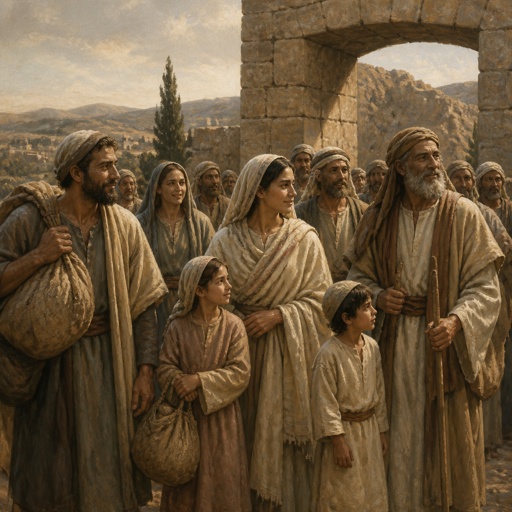
"The children of Bigvai, two thousand threescore and seven." - Nehemiah 7:19

Nehemiah 12:2 - "Amariah, Malluch, Hattush,"

Nehemiah 10:2 - "Seraiah, Azariah, Jeremiah,"

Nehemiah 3:19 - "And next to him repaired Ezer the son of Jeshua, the ruler of Mizpah, another piece over against the going up to the armoury at the turning of the wall."

Nehemiah 6:19 - "Also they reported his good deeds before me, and uttered my words to him. And Tobiah sent letters to put me in fear."

Nehemiah 4:19 - "¶ And I said unto the nobles, and to the rulers, and to the rest of the people, The work is great and large, and we are separated upon the wall, one far from another."

Nehemiah 2:11 - "So I came to Jerusalem, and was there three days."
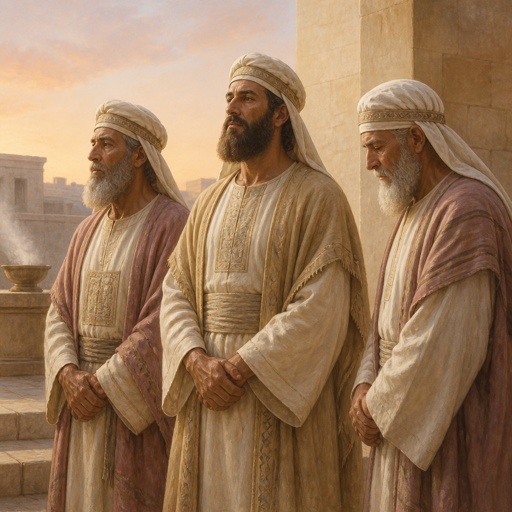
"Amariah, Malluch, Hattush," - Nehemiah 12:2
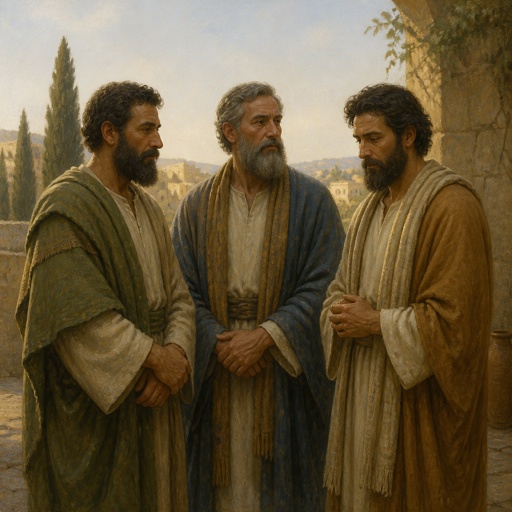
"Seraiah, Azariah, Jeremiah," - Nehemiah 10:2

Nehemiah 11:2 - "And the people blessed all the men, that willingly offered themselves to dwell at Jerusalem."
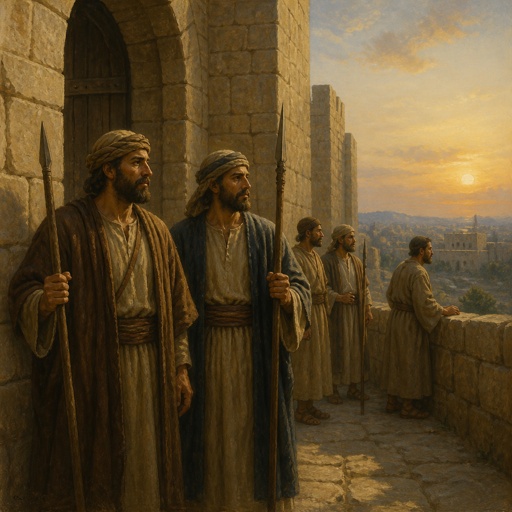
"Moreover the porters, Akkub, Talmon, and their brethren that kept the gates, were an hundred seventy and two." - Nehemiah 11:19

Ezra 2:2 - "Which came with Zerubbabel: Jeshua, Nehemiah, Seraiah, Reelaiah, Mordecai, Bilshan, Mispar, Bigvai, Rehum, Baanah. The number of the men of the people of Israel:"

Nehemiah 2:14 - "Then I went on to the gate of the fountain, and to the king's pool: but there was no place for the beast that was under me to pass."

Nehemiah 3:2 - "And next unto him builded the men of Jericho. And next to them builded Zaccur the son of Imri."

Nehemiah 9:2 - "And the seed of Israel separated themselves from all strangers, and stood and confessed their sins, and the iniquities of their fathers."
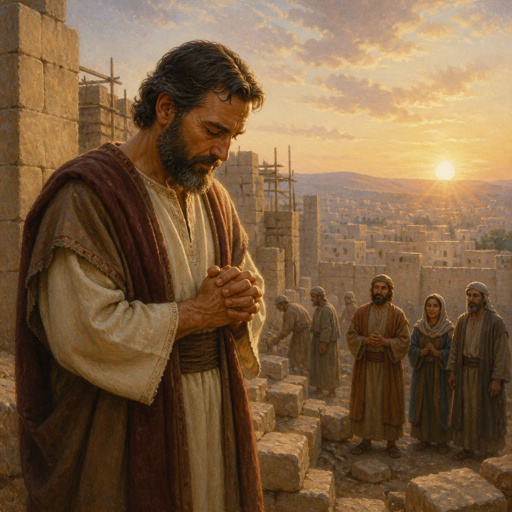
"Think upon me, my God, for good, according to all that I have done for this people." - Nehemiah 5:19

Nehemiah 9:19 - "Yet thou in thy manifold mercies forsookest them not in the wilderness: the pillar of the cloud departed not from them by day, to lead them in the way; neither the pillar of fire by night, to shew them light, and the way wherein they should go."

Nehemiah 2:15 - "Then went I up in the night by the brook, and viewed the wall, and turned back, and entered by the gate of the valley, and so returned."

Nehemiah 2:4 - "Then the king said unto me, For what dost thou make request? So I prayed to the God of heaven."

Nehemiah 2:2 - "Wherefore the king said unto me, Why is thy countenance sad, seeing thou art not sick? this is nothing else but sorrow of heart. Then I was very sore afraid,"