What does Nehemiah 2:19 mean?
“But when Sanballat the Horonite, and Tobiah the servant, the Ammonite, and Geshem the Arabian, heard it, they laughed us to scorn, and despised us, and said, What is this thing that ye do? will ye rebel against the king?” — Nehemiah 2:19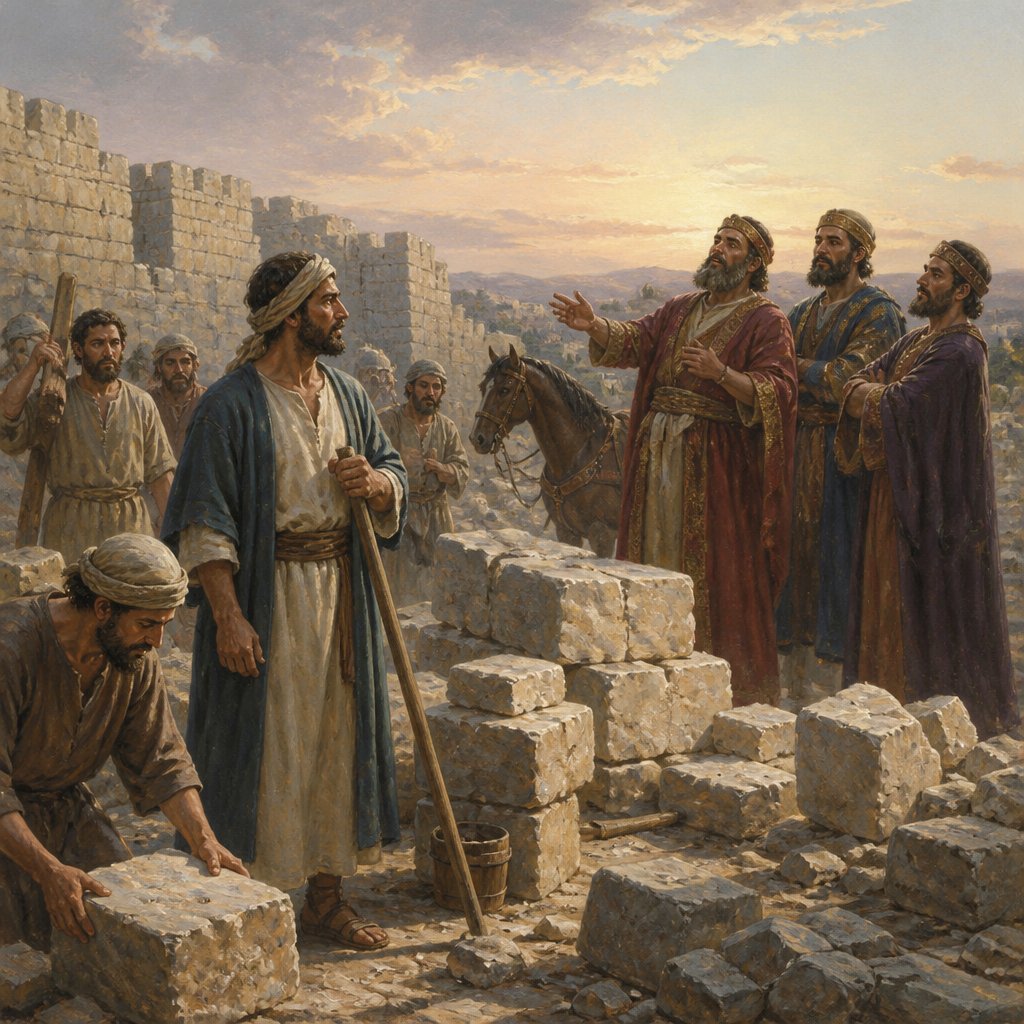
Nehemiah 2:19 (KJV): "But when Sanballat the Horonite, and Tobiah the servant, the Ammonite, and Geshem the Arabian, heard it, they laughed us to scorn, and despised us, and said, What is this thing that ye do? will ye rebel against the king?"
In order to understand the significance of Nehemiah 2:19, it is important to delve into the historical and cultural context in which this verse was written. Nehemiah was an influential figure in Jewish history, serving as the cupbearer to King Artaxerxes I of Persia. This verse takes place at a critical juncture in the narrative, as Nehemiah has returned to Jerusalem to rebuild the city walls and restore the city's strength and security. The opposition he faces from Sanballat, Tobiah, and Geshem represents the resistance and doubts that often accompany transformative endeavors.
The verse begins with the mention of Sanballat the Horonite, Tobiah the Ammonite, and Geshem the Arabian. These were influential figures in the region who opposed Nehemiah's efforts to rebuild the city walls. Their laughter and scornful comments reveal their disdain for Nehemiah's intentions and their attempt to diminish his credibility and the significance of his mission. This opposition highlights the challenges and obstacles that often arise when undertaking a monumental task.
The mocking and despising of Nehemiah and his followers by the three adversaries also reflect the theme of spiritual warfare. In the spiritual realm, there are forces that seek to undermine and obstruct the work of God. The laughter and scorn directed at Nehemiah are symbolic of the spiritual opposition encountered by believers when striving to fulfill God's purposes. This verse serves as a reminder that spiritual fortitude and perseverance are necessary in the face of such opposition.
Furthermore, the adversaries' question, "What is this thing that ye do? will ye rebel against the king?" reveals their attempt to frame Nehemiah's actions as rebellious and seditious. This accusation reflects the larger theme of standing firm in the face of baseless accusations and slander. Nehemiah's commitment to his mission despite these challenges is a testament to his unwavering faith and determination.
Symbolically, the rebuilding of the city walls in Nehemiah's time represents the restoration and renewal of the community of God's people. The opposition faced by Nehemiah highlights the recurrent theme of spiritual warfare and the resistance encountered when pursuing God's purposes. The laughter and scorn directed at Nehemiah also serve as a reminder of the need for resilience and steadfastness in the face of adversity.
Ultimately, Nehemiah 2:19 is a poignant reminder of the spiritual and earthly challenges that arise when striving to fulfill God's purposes. Nehemiah's response to the opposition serves as an inspiration for believers to stand firm in their faith and to persevere in the face of adversity. This verse highlights the universal truth that transformative endeavors are often met with resistance and opposition, but with faith and determination, obstacles can be overcome.
Get our apps


Artwork for Nehemiah 2:19

Nehemiah 2:19 - "But when Sanballat the Horonite, and Tobiah the servant, the Ammonite, and Geshem the Arabian, heard it, they laughed us to scorn, and despised us, and said, What is this thing that ye do? will ye rebel against the king?"
"But when Sanballat the Horonite, and Tobiah the servant, the Ammonite, and Geshem the Arabian, heard it, they laughed us to scorn, and despised us, and said, What is this thing that ye do? will ye rebel against the king?" - Nehemiah 2:19

Nehemiah 11:1-19

Nehemiah 10:19 - "Hariph, Anathoth, Nebai,"

Nehemiah 12:19 - "And of Joiarib, Mattenai; of Jedaiah, Uzzi;"

Nehemiah 7:19 - "The children of Bigvai, two thousand threescore and seven."
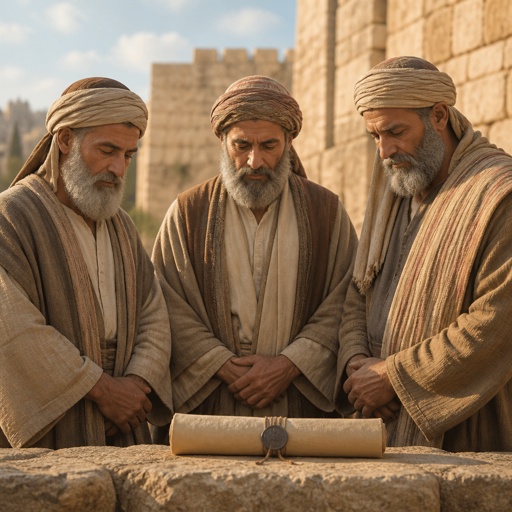
"Hariph, Anathoth, Nebai," - Nehemiah 10:19
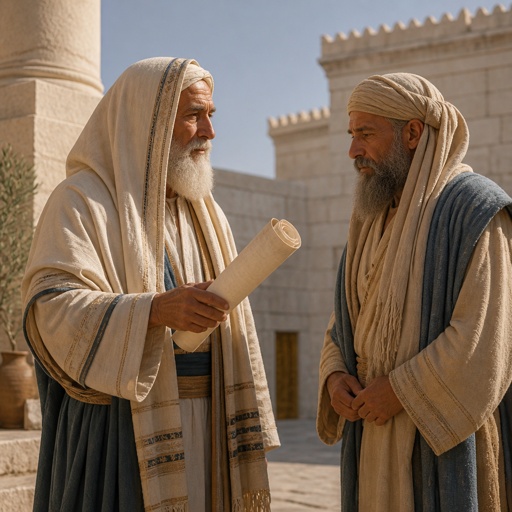
"And of Joiarib, Mattenai; of Jedaiah, Uzzi;" - Nehemiah 12:19

Nehemiah 11:19 - "Moreover the porters, Akkub, Talmon, and their brethren that kept the gates, were an hundred seventy and two."

Nehemiah 5:19 - "Think upon me, my God, for good, according to all that I have done for this people."
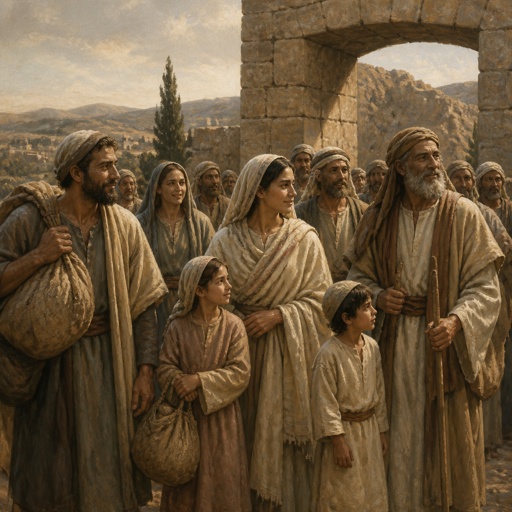
"The children of Bigvai, two thousand threescore and seven." - Nehemiah 7:19

Nehemiah 12:2 - "Amariah, Malluch, Hattush,"

Nehemiah 10:2 - "Seraiah, Azariah, Jeremiah,"

Nehemiah 3:19 - "And next to him repaired Ezer the son of Jeshua, the ruler of Mizpah, another piece over against the going up to the armoury at the turning of the wall."

Nehemiah 6:19 - "Also they reported his good deeds before me, and uttered my words to him. And Tobiah sent letters to put me in fear."

Nehemiah 4:19 - "¶ And I said unto the nobles, and to the rulers, and to the rest of the people, The work is great and large, and we are separated upon the wall, one far from another."

Nehemiah 2:11 - "So I came to Jerusalem, and was there three days."
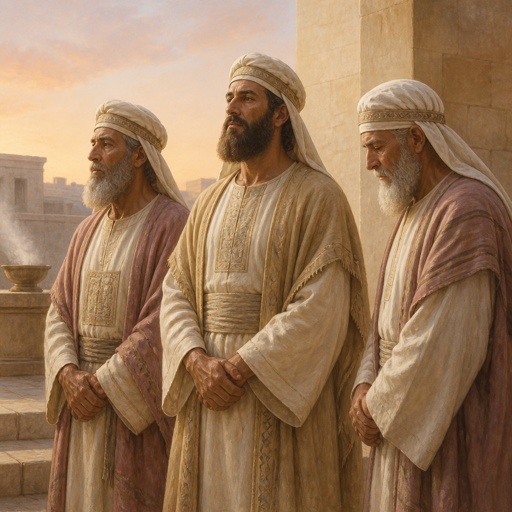
"Amariah, Malluch, Hattush," - Nehemiah 12:2
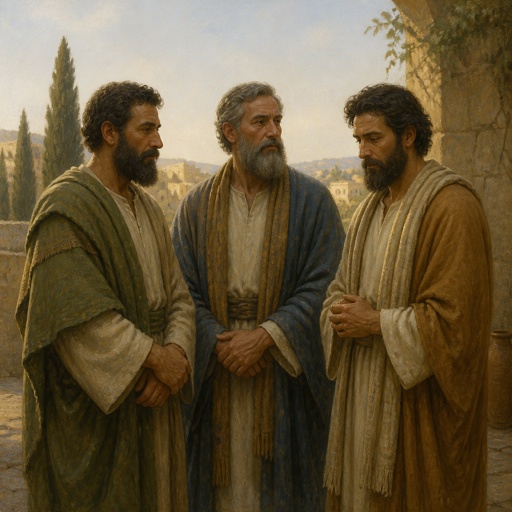
"Seraiah, Azariah, Jeremiah," - Nehemiah 10:2

Nehemiah 11:2 - "And the people blessed all the men, that willingly offered themselves to dwell at Jerusalem."
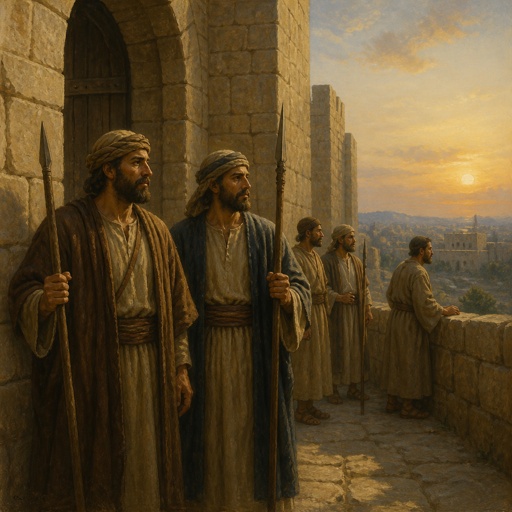
"Moreover the porters, Akkub, Talmon, and their brethren that kept the gates, were an hundred seventy and two." - Nehemiah 11:19

Ezra 2:2 - "Which came with Zerubbabel: Jeshua, Nehemiah, Seraiah, Reelaiah, Mordecai, Bilshan, Mispar, Bigvai, Rehum, Baanah. The number of the men of the people of Israel:"

Nehemiah 2:14 - "Then I went on to the gate of the fountain, and to the king's pool: but there was no place for the beast that was under me to pass."

Nehemiah 3:2 - "And next unto him builded the men of Jericho. And next to them builded Zaccur the son of Imri."

Nehemiah 9:2 - "And the seed of Israel separated themselves from all strangers, and stood and confessed their sins, and the iniquities of their fathers."
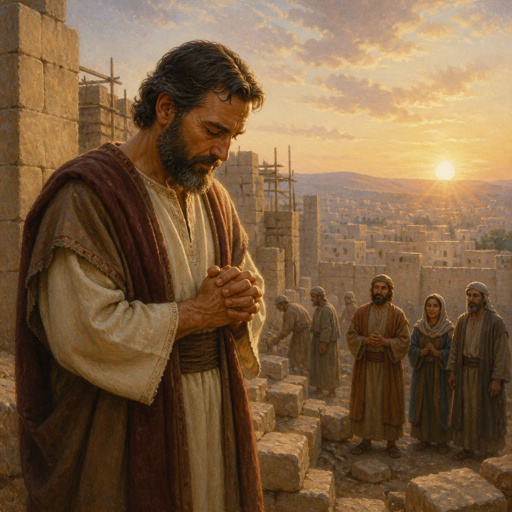
"Think upon me, my God, for good, according to all that I have done for this people." - Nehemiah 5:19

Nehemiah 9:19 - "Yet thou in thy manifold mercies forsookest them not in the wilderness: the pillar of the cloud departed not from them by day, to lead them in the way; neither the pillar of fire by night, to shew them light, and the way wherein they should go."

Nehemiah 2:15 - "Then went I up in the night by the brook, and viewed the wall, and turned back, and entered by the gate of the valley, and so returned."

Nehemiah 2:4 - "Then the king said unto me, For what dost thou make request? So I prayed to the God of heaven."

Nehemiah 2:2 - "Wherefore the king said unto me, Why is thy countenance sad, seeing thou art not sick? this is nothing else but sorrow of heart. Then I was very sore afraid,"