Restoring the Heart of the Community: The Significance of Numbers in Nehemiah 7:26
“The men of Beth-lehem and Netophah, an hundred fourscore and eight.” — Nehemiah 7:26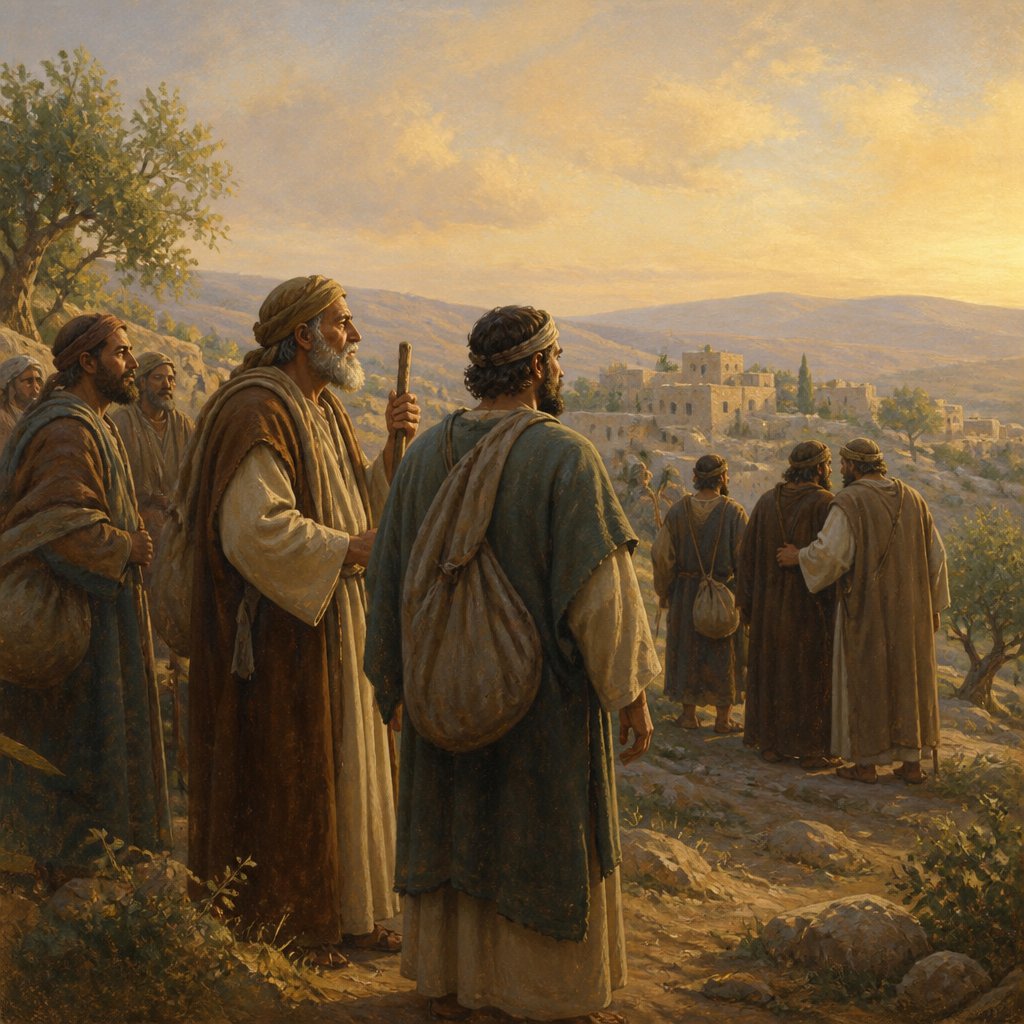
As we delve into Nehemiah 7:26, which states, "The men of Beth-lehem and Netophah, an hundred fourscore and eight," we encounter a passage that may appear to consist of mere statistics, but is instead rich with lessons about community, heritage, and divine purpose.
The context of this verse is truly significant. Nehemiah, a cupbearer turned governor, returns to Jerusalem to lead the efforts of rebuilding the city and restoring its spiritual and physical foundations after the Babylonian exile. The verses surrounding Nehemiah 7 present the results of a census taken of the people who returned to Jerusalem. It is a moment of identity restoration—a gathering of God's people to their homeland, signifying a revival of hope and purpose.
By focusing on the numbers, we might overlook the deeper meanings they hold. The mention of "the men of Beth-lehem and Netophah" is not merely about counting; it reflects lives, stories, and the generations of families returning to reclaim their identity after years of displacement. Each number signifies a man, a father, a son, a leader, representing the strength of the community. Each one carried the faith of their generations and the hopes of their kin, eager to restore what was once lost.
Beth-lehem, meaning "house of bread," carries profound biblical significance. This village is known as the birthplace of David, and notably, it foreshadows the birth of Jesus Christ. The location itself is steeped in promise and destiny. Within these walls and streets, the legacy of God’s provision and faithfulness quietly breathes. Reflecting on our lives, we can find encouragement in this heritage. Our paths are filled with significance, anchored by the stories of those who walked before us, much like the men returning from exile.
Netophah, on the other hand, is less recognized, but it represents the beauty of all of God's community—even those places that appear ordinary or overlooked. It reminds us that every part of God’s creation and every person has value. In God’s eyes, no detail is too small, and every individual counts in His grand tapestry.
As we contemplate the number
"an hundred fourscore and eight" (188), we are drawn to consider the diversity and multitude of God’s people that He continues to gather. Each number corresponds to human experience and emotion—joy and sorrow, hope and despair, love and unity. The congregation returning represented a mosaic of the community; they were not mere statistics but a collective of relationships and shared journeys.
The act of counting these men also emphasizes accountability and responsibility within our communities. God called them back to rebuild—and they bore the responsibility to ensure that the foundation laid by their ancestors would not just be restored physically but spiritually as well. In our personal lives, we, too, are called to rebuild: our faith, our families, our relationships, and our communities. The words of Nehemiah urge us to recognize our role as construction workers in God’s Kingdom.
As we reflect, we must ask ourselves: how have we engaged with our community? Every interaction, every relational investment we make, contributes to the overall health and restoration of our own Beth-lehem and Netophah. Have we taken the time to know the stories behind the numbers? Are we purposefully encouraging and building up those around us?
In closing, Nehemiah 7:26 teaches us that while we may at times focus on the barren landscape of numbers or statistics, our God calls us to recognize the life, history, and promise they represent. Let us be active participants in the restoration of our communities, learning from the names and stories, so that we may honor where we come from and confidently step into the future God has in store. Let us carry forward with the same resolve and faith that each returning man embodied—a commitment to restoration, unity, and purpose.
Get our apps


Artwork for Nehemiah 7:26

Nehemiah 7:26 - "The men of Beth-lehem and Netophah, an hundred fourscore and eight."
"The men of Beth-lehem and Netophah, an hundred fourscore and eight." - Nehemiah 7:26

Nehemiah 12:26 - "These were in the days of Joiakim the son of Jeshua, the son of Jozadak, and in the days of Nehemiah the governor, and of Ezra the priest, the scribe."

Nehemiah 10:26 - "And Ahijah, Hanan, Anan,"

Nehemiah 11:26 - "And at Jeshua, and at Moladah, and at Beth-phelet,"

Nehemiah 7:7 - "Who came with Zerubbabel, Jeshua, Nehemiah, Azariah, Raamiah, Nahamani, Mordecai, Bilshan, Mispereth, Bigvai, Nehum, Baanah. The number, I say, of the men of the people of Israel was this;"

"And Ahijah, Hanan, Anan," - Nehemiah 10:26

"And at Jeshua, and at Moladah, and at Beth-phelet," - Nehemiah 11:26

Nehemiah 10:7 - "Meshullam, Abijah, Mijamin,"

Nehemiah 7:42 - "The children of Harim, a thousand and seventeen."

Nehemiah 7:24 - "The children of Hariph, an hundred and twelve."

Nehemiah 7:56 - "The children of Neziah, the children of Hatipha."

Nehemiah 7:25 - "The children of Gibeon, ninety and five."

Nehemiah 7:40 - "The children of Immer, a thousand fifty and two."

Nehemiah 7:31 - "The men of Michmas, an hundred and twenty and two."

Nehemiah 7:33 - "The men of the other Nebo, fifty and two."

Nehemiah 7:28 - "The men of Beth-azmaveth, forty and two."

Nehemiah 7:21 - "The children of Ater of Hezekiah, ninety and eight."

Nehemiah 7:14 - "The children of Zaccai, seven hundred and threescore."

Nehemiah 7:27 - "The men of Anathoth, an hundred twenty and eight."

Nehemiah 7:35 - "The children of Harim, three hundred and twenty."

"These were in the days of Joiakim the son of Jeshua, the son of Jozadak, and in the days of Nehemiah the governor, and of Ezra the priest, the scribe." - Nehemiah 12:26

Nehemiah 7:16 - "The children of Bebai, six hundred twenty and eight."

Nehemiah 7:58 - "The children of Jaala, the children of Darkon, the children of Giddel,"

Nehemiah 7:9 - "The children of Shephatiah, three hundred seventy and two."

Nehemiah 7:48 - "The children of Lebana, the children of Hagaba, the children of Shalmai,"

Nehemiah 7:15 - "The children of Binnui, six hundred forty and eight."

Nehemiah 7:19 - "The children of Bigvai, two thousand threescore and seven."

Nehemiah 7:44 - "¶ The singers: the children of Asaph, an hundred forty and eight."

Nehemiah 7:13 - "The children of Zattu, eight hundred forty and five."