Rebuilding Community: A Lesson from Nehemiah 7:30
“The men of Ramah and Geba, six hundred twenty and one.” — Nehemiah 7:30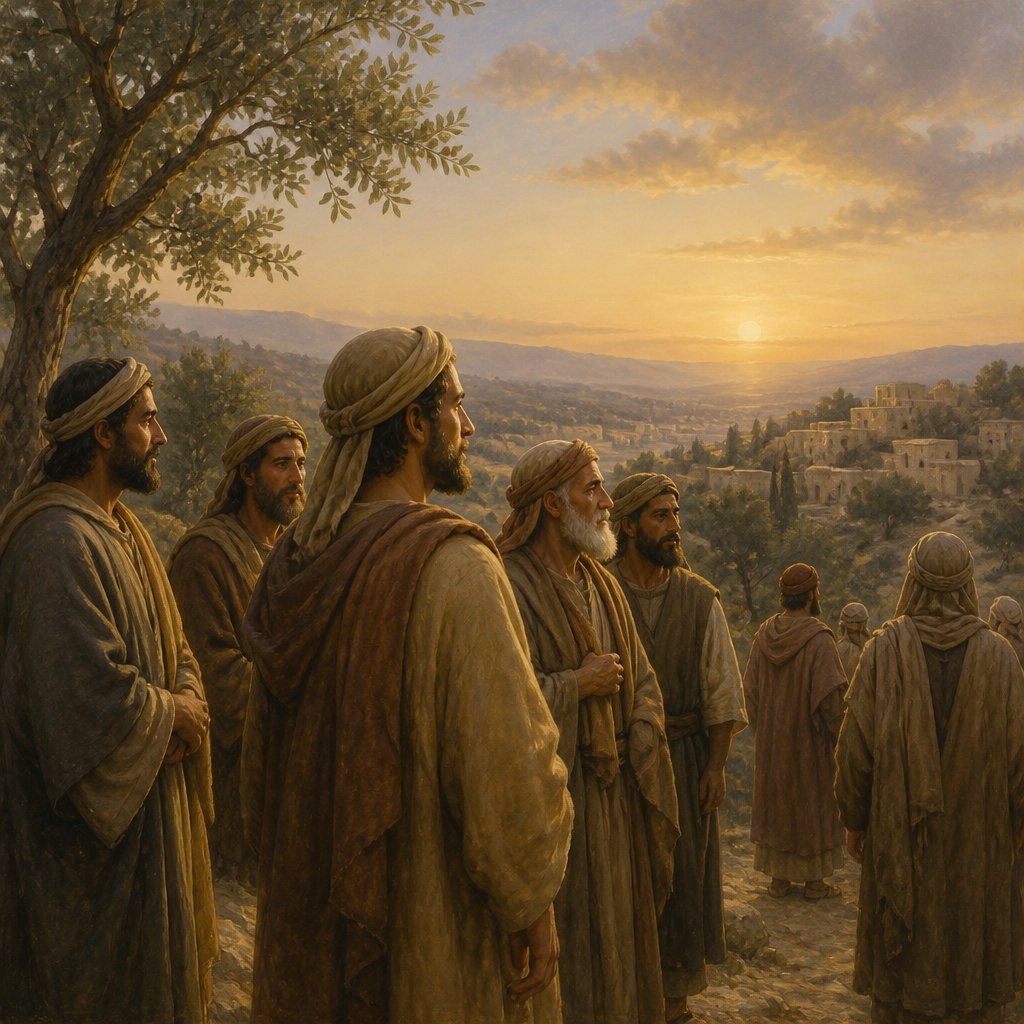
As we dive into Nehemiah 7:30, which reads, "The men of Ramah and Geba, six hundred twenty and one," we encounter a pivotal moment in the narrative of what it means to restore not just a city, but a community in the eyes of God. The chain of events surrounding this verse gives us insight into the broader themes of faithfulness, obedience, and communal identity that resonate deeply in our own spiritual journeys today.
**Contextual Understanding**
Nehemiah's mission was to rebuild the walls of Jerusalem after the people had returned from exile. In this rebuilding effort, we find more than just bricks and mortar; it represents the establishment of identity, faith, and purpose in the community of God’s people. Chapter 7 is characterized by a genealogy of those who returned to Jerusalem, and in this lineage, we see names, families, and the mention of individuals who contribute to the restoration of their homeland. When we read about the men of Ramah and Geba, numbering six hundred twenty-one, we are not just looking at a statistic; we are witnessing the restoration of community and the faith that binds these men to each other and to God.
**The Importance of Numbers**
While it may seem trivial to focus on a numerical count, the significance here cannot be understated. Numbers in scripture often signify completeness, representation, and God’s providence. The exact number — six hundred twenty-one — is a reminder that every individual in God’s family matters. Each person in that count represents lives affected by the promise of restoration. Their return marks a collective decision to rebuild lives not just physically, but spiritually as well. In isolation, one might feel insignificant, but together, as a community, they possess the strength to face opposition and restore their heritage.
**The Role of Community in Rebuilding**
Examining Nehemiah's leadership provides us with a valuable lesson on the importance of community in rebuilding efforts. The rebuilding of Jerusalem was not accomplished by Nehemiah alone; it required the collaboration of families and individuals coming together with a unified vision. Each brought their own strengths, skills, and resources to the table. In our own lives, we can see parallels to the necessity of communal support. Perhaps we face personal struggles or societal challenges that seem insurmountable; it is in the unity of community that we draw strength and encouragement.
In Galatians 6:2, we are reminded, "Bear ye one another's burdens, and so fulfill the law of Christ." This verse beautifully echoes the theme of shared responsibility and collective effort. Just as the men of Ramah and Geba joined forces to rebuild their beloved Jerusalem, we too are called to engage actively with our communities, lifting up one another as we seek to restore and rebuild our lives in Christ’s love.
**Faithfulness in Our Actions**
The loyalty and commitment of these men underscore the importance of faithfulness in our actions. Their decision to return and participate in God's restorative work is a clarion call for us to examine our own hearts. In 1 Corinthians 4:2, we are reminded that "it is required in stewards, that a man be found faithful." How are we responding to God’s call in our own lives? Each day presents us with opportunities to show our faithfulness to God, whether through acts of service, kindness, or support within our community.
**Conclusion: A Call to Action**
As we reflect on Nehemiah 7:30, let's embrace the spirit of camaraderie that the men of Ramah and Geba embodied. In our own journey of faith, may we commit to stepping out and contributing to the collective mission of rebuilding our communities. Let us remember that numbers represent people in the eyes of God, each uniquely gifted to contribute toward restoration. In a world often divided, may we become agents of unity and healing, standing alongside our brothers and sisters, echoing the resolve of the early Israelites in their quest to rebuild a beloved city. This week, may we reach out, restore, and rejoice in the found community, inspired by those faithful men who were counted in the work of God.
Get our apps


Artwork for Nehemiah 7:30

Nehemiah 7:30 - "The men of Ramah and Geba, six hundred twenty and one."
"The men of Ramah and Geba, six hundred twenty and one." - Nehemiah 7:30

Nehemiah 12:30 - "And the priests and the Levites purified themselves, and purified the people, and the gates, and the wall."

Nehemiah 7:7 - "Who came with Zerubbabel, Jeshua, Nehemiah, Azariah, Raamiah, Nahamani, Mordecai, Bilshan, Mispereth, Bigvai, Nehum, Baanah. The number, I say, of the men of the people of Israel was this;"
Nehemiah 10:30 - "And that we would not give our daughters unto the people of the land, nor take their daughters for our sons:"

Nehemiah 10:7 - "Meshullam, Abijah, Mijamin,"

Nehemiah 7:42 - "The children of Harim, a thousand and seventeen."

Nehemiah 7:24 - "The children of Hariph, an hundred and twelve."

Nehemiah 7:56 - "The children of Neziah, the children of Hatipha."

Nehemiah 13:30 - "Thus cleansed I them from all strangers, and appointed the wards of the priests and the Levites, every one in his business;"

Nehemiah 7:25 - "The children of Gibeon, ninety and five."

Nehemiah 7:40 - "The children of Immer, a thousand fifty and two."

Nehemiah 7:31 - "The men of Michmas, an hundred and twenty and two."
Nehemiah 11:30 - "Zanoah, Adullam, and in their villages, at Lachish, and the fields thereof, at Azekah, and in the villages thereof. And they dwelt from Beer-sheba unto the valley of Hinnom."

Nehemiah 7:33 - "The men of the other Nebo, fifty and two."

Nehemiah 7:21 - "The children of Ater of Hezekiah, ninety and eight."

Nehemiah 7:28 - "The men of Beth-azmaveth, forty and two."

Nehemiah 7:14 - "The children of Zaccai, seven hundred and threescore."

Nehemiah 7:27 - "The men of Anathoth, an hundred twenty and eight."

Nehemiah 7:35 - "The children of Harim, three hundred and twenty."

Nehemiah 7:16 - "The children of Bebai, six hundred twenty and eight."

Nehemiah 7:58 - "The children of Jaala, the children of Darkon, the children of Giddel,"

Nehemiah 7:9 - "The children of Shephatiah, three hundred seventy and two."

Nehemiah 7:48 - "The children of Lebana, the children of Hagaba, the children of Shalmai,"

Nehemiah 7:19 - "The children of Bigvai, two thousand threescore and seven."

Nehemiah 7:15 - "The children of Binnui, six hundred forty and eight."

Nehemiah 7:44 - "¶ The singers: the children of Asaph, an hundred forty and eight."

Nehemiah 7:18 - "The children of Adonikam, six hundred threescore and seven."

Nehemiah 7:13 - "The children of Zattu, eight hundred forty and five."

Nehemiah 7:49 - "The children of Hanan, the children of Giddel, the children of Gahar,"