Restoring Our Roles: The Significance of the Nethinims
“The Nethinims: the children of Ziha, the children of Hashupha, the children of Tabbaoth,” — Nehemiah 7:46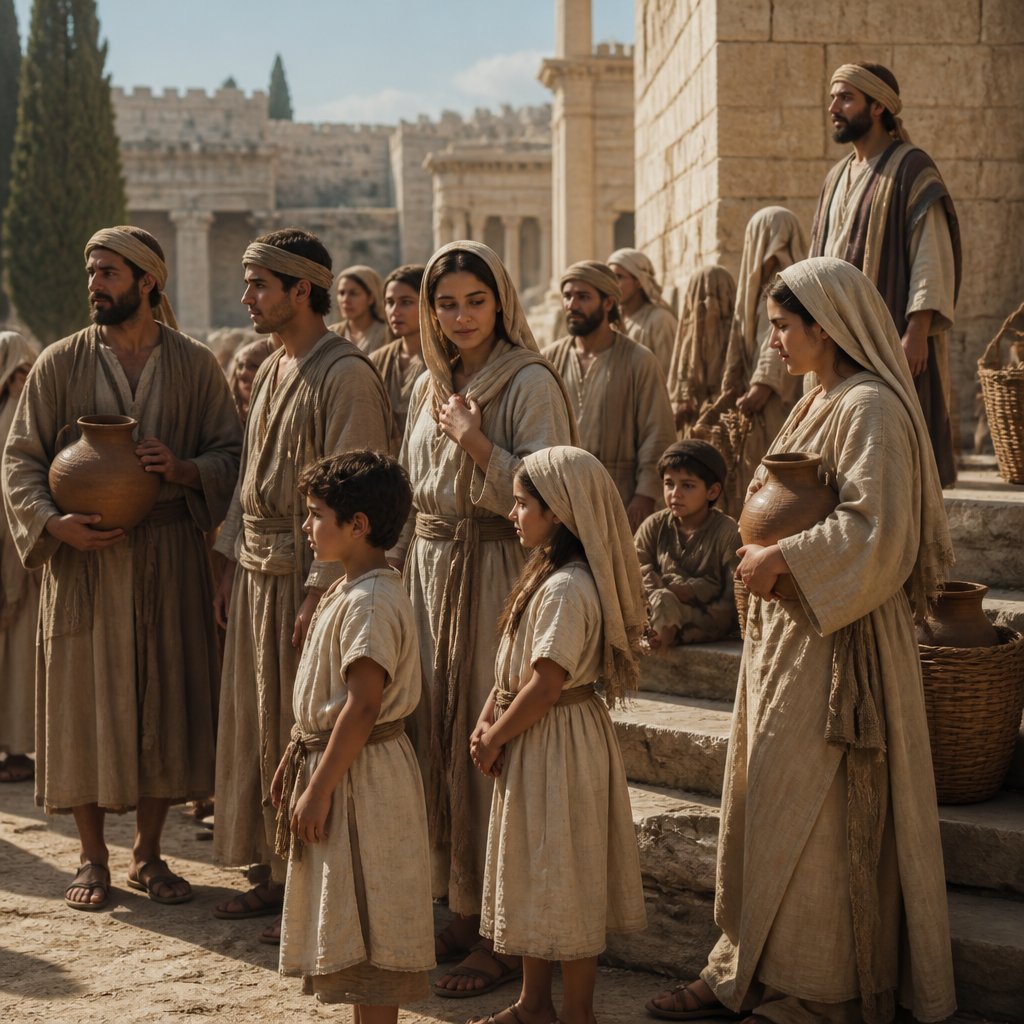
In the book of Nehemiah, we encounter a remarkable narrative about restoration and renewal, not just of the physical walls of Jerusalem but of the identity and roles of the people within. Nehemiah 7:46 states, "The Nethinims: the children of Ziha, the children of Hashupha, the children of Tabbaoth." At first glance, this verse may seem obscure and primarily historical, but upon deeper reflection, it reveals profound truths about our collective purpose, heritage, and redemption in the body of Christ.
The mention of the Nethinims, a group of temple servants, reflects a significant aspect of Israel’s community structure post-exile. These individuals were not priests or Levites; they were designated servants whose roles were crucial for the functioning of worship and the maintaining of the temple's sacred environment. They were the ones entrusted with the care of the temple’s provisions and were supporters of the religious life of the community. Their names, however, may not resonate with the same grandeur as those of prophets or kings. Yet, their contributions were both vital and noble.
As we reflect on the identity of the Nethinims, we are reminded of the concept of servanthood in our own lives. In a world that often values titles and positions of power, it is easy to overlook the importance of humble service. However, Scripture repeatedly emphasizes that greatness in God’s kingdom is measured differently. Jesus Himself exemplified the role of a servant during His time on earth (Mark 10:42-45), calling us to emulate His example.
The Nethinims were likely descendants of the original Gibeonites, who had bound themselves to serve the Israelites, as recorded in Joshua 9. Their lineage connects the past covenant faithfulness with the present call to serve. This highlights a theme of continuity in God’s redemptive plan. Similarly, we are called to carry forward the legacy of service established by those who came before us in faith. We can see our lives as an extension of their commitment to God’s work.
Despite their seemingly minor role, the Nethinims’ service was essential for the restoration process of Jerusalem. Their work contributed to the rebuilding of worship practices and the setting of a spiritual foundation for the community. As members of the body of Christ, every individual has a part to play, even the parts that may seem less significant. Paul reminds us in 1 Corinthians 12:12-27 of the importance of each member and how the body functions harmoniously only when all parts fulfill their roles. Like the Nethinims, our daily acts of service, whether large or small, contribute to the greater work of God in our churches, families, and communities.
In today’s society, we must reflect: who or what are the ‘Nethinims’ in our lives? Are there roles in ministry that remain unfulfilled? Are there individuals who serve in the background who perhaps need more recognition or support? Jesus teaches that our service is not just an obligation but a reflection of love (John 13:34-35). Our willingness to serve mirrors the heart of Christ and magnifies His presence among us.
As we meditate on Nehemiah 7:46, let us acknowledge that God values every contribution to His work. Embodying the spirit of the Nethinims, we can embrace a posture of humility, recognizing that our service, however unnoticed, carries eternal significance. Every child of God has a purpose, and as we serve—whether in prayer, in caring for others, or in supporting our communities—we draw nearer to the heart of God.
Let today be a reminder to seek out ways to serve, to honor those who do, and to remember that in the kingdom of God, the smallest role can have the greatest impact. Moreover, let us embrace our identities not with the desire for recognition, but with a heart willing to restore, nurture, and build up the body of Christ, just as the Nethinims did in their time.
Get our apps


Artwork for Nehemiah 7:46

Nehemiah 7:46 - "¶ The Nethinims: the children of Ziha, the children of Hashupha, the children of Tabbaoth,"
"¶ The Nethinims: the children of Ziha, the children of Hashupha, the children of Tabbaoth," - Nehemiah 7:46

Nehemiah 12:46 - "For in the days of David and Asaph of old there were chief of the singers, and songs of praise and thanksgiving unto God."

Nehemiah 7:7 - "Who came with Zerubbabel, Jeshua, Nehemiah, Azariah, Raamiah, Nahamani, Mordecai, Bilshan, Mispereth, Bigvai, Nehum, Baanah. The number, I say, of the men of the people of Israel was this;"

Numbers 7:46 - "One kid of the goats for a sin offering:"

Psalms 46:7 - "The LORD of hosts is with us; the God of Jacob is our refuge. Selah."

Nehemiah 10:7 - "Meshullam, Abijah, Mijamin,"

John 7:46 - "The officers answered, Never man spake like this man."

Acts 7:46 - "Who found favour before God, and desired to find a tabernacle for the God of Jacob."

Nehemiah 7:42 - "The children of Harim, a thousand and seventeen."

Nehemiah 7:24 - "The children of Hariph, an hundred and twelve."

Nehemiah 7:56 - "The children of Neziah, the children of Hatipha."

Jeremiah 46:7 - "Who is this that cometh up as a flood, whose waters are moved as the rivers?"

Nehemiah 7:25 - "The children of Gibeon, ninety and five."
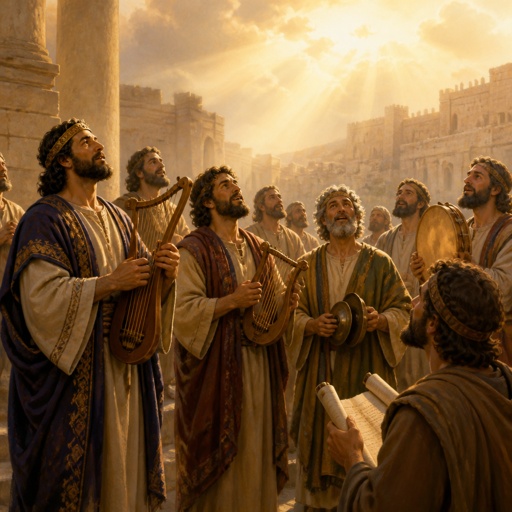
"For in the days of David and Asaph of old there were chief of the singers, and songs of praise and thanksgiving unto God." - Nehemiah 12:46

Nehemiah 7:40 - "The children of Immer, a thousand fifty and two."

Nehemiah 7:31 - "The men of Michmas, an hundred and twenty and two."

Nehemiah 7:33 - "The men of the other Nebo, fifty and two."

Nehemiah 7:28 - "The men of Beth-azmaveth, forty and two."

Nehemiah 7:21 - "The children of Ater of Hezekiah, ninety and eight."

Nehemiah 7:14 - "The children of Zaccai, seven hundred and threescore."

Nehemiah 7:27 - "The men of Anathoth, an hundred twenty and eight."

Nehemiah 7:35 - "The children of Harim, three hundred and twenty."

"One kid of the goats for a sin offering:" - Numbers 7:46

1 Kings 7:46 - "In the plain of Jordan did the king cast them, in the clay ground between Succoth and Zarthan."

Nehemiah 7:16 - "The children of Bebai, six hundred twenty and eight."

Nehemiah 7:58 - "The children of Jaala, the children of Darkon, the children of Giddel,"

Nehemiah 7:9 - "The children of Shephatiah, three hundred seventy and two."

Nehemiah 7:48 - "The children of Lebana, the children of Hagaba, the children of Shalmai,"

Nehemiah 7:15 - "The children of Binnui, six hundred forty and eight."