Restoration through Remembrance
“The children of Bazlith, the children of Mehida, the children of Harsha,” — Nehemiah 7:54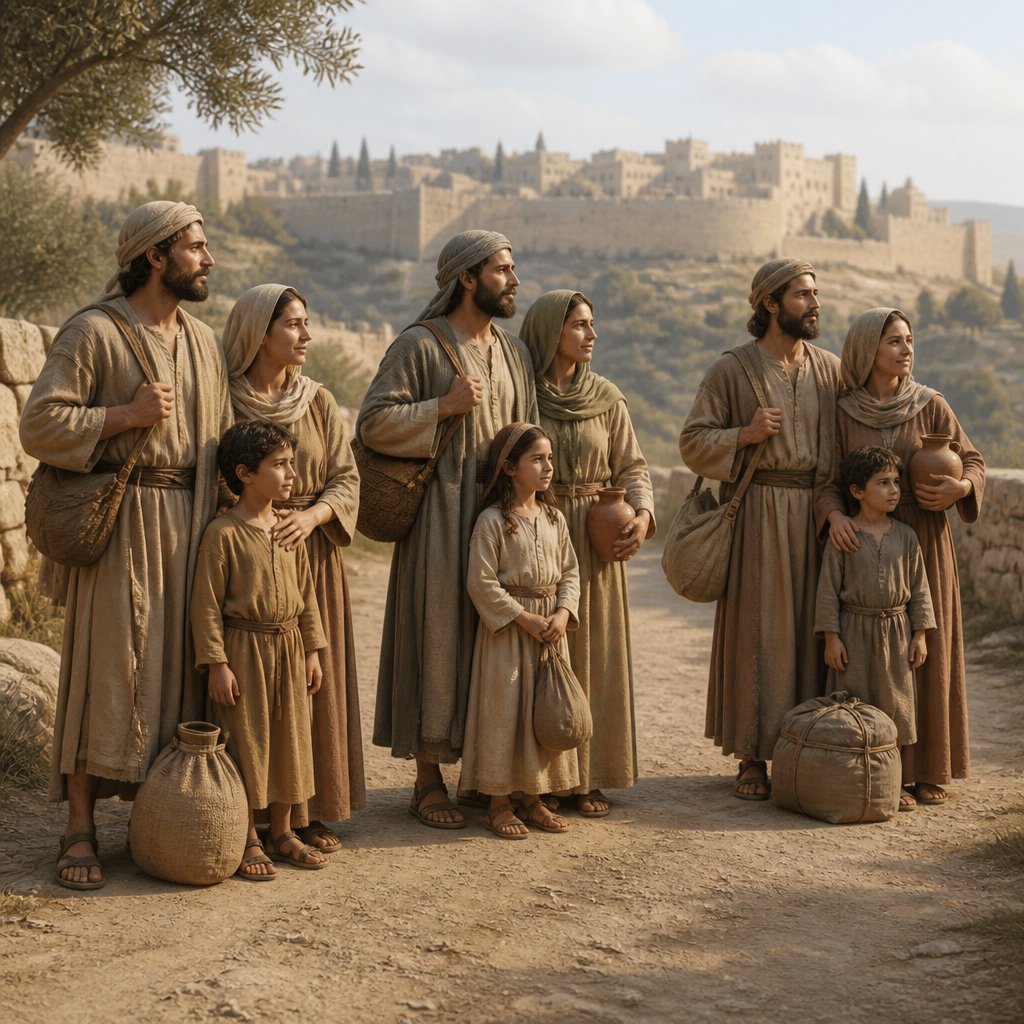
As we delve into the richness of Nehemiah 7:54—"The children of Bazlith, the children of Mehida, the children of Harsha,"—we are confronted with a verse that stands as a testament to the collective memory of God’s people. At first glance, this verse, filled with the names of families and their lineage, may seem monotonous or even irrelevant. However, when we examine it in the context of the book of Nehemiah, we find profound implications for our spiritual journey and our understanding of community.
**The Significance of Names**
Names in the Bible often hold deeper meanings and represent not just individuals, but also the legacy, heritage, and identity of a people. In the ancient world, a person's name was synonymous with their reputation and often their destiny. In Nehemiah’s day, the act of recording names was crucial for identity and belonging. The families mentioned here—Bazlith, Mehida, and Harsha—represent a remnant that returned from exile to rebuild and restore what had been lost. Each name stands as a presence among those who have chosen to embrace their roots and contribute to the reconstruction of their homeland.
**The Importance of Collective Memory**
Nehemiah was writing during a pivotal period of restoration for Israel. Following decades of chaos and displacement, the exiled community found themselves at a crossroads, ready to rebuild Jerusalem’s walls and revive its spiritual significance. Recording the descendants and lay leaders was necessary to ensure that the genealogy was preserved, thus connecting the present to their forebears. This connection was not just cultural; it was also spiritual, reminding the community of their covenant with God and the faithfulness He exhibited throughout their history.
In our lives today, we find ourselves in the midst of a world that often values the individual over the collective. Yet, there is immense power in remembering where we come from and how God has worked in the lives of those who came before us. Scriptures remind us of the importance of heritage and the faithfulness of God throughout generations. We are told in Psalm 78:4 to tell our children the praiseworthy deeds of the LORD, His power, and the wonders He has done. When we acknowledge our spiritual ancestors, akin to how Nehemiah did, we engage in a communal worship that transcends time.
**Call to Action: Embrace Your Role in God’s Story**
Nehemiah's listing of these descendants was more than a historical recording; it was a rallying cry. Each name summoned the faithful to recognize their role in God's larger narrative. Similarly, we are invited to see that we are part of something greater—a community called to witness the reconciling power of God. What would it look like for us to remember our spiritual forebears and the stories of faith, sacrifice, and perseverance they embodied?
When we reflect on our lives and communities, let us ask ourselves:
- What legacy are we building for future generations?
- How can we actively participate in the restoration of our communities, both spiritually and practically?
- Are we intentional about gathering, sharing stories that illuminate God’s work in our lives, and encouraging one another?
**Conclusion: A Spiritual Restoration**
In closing, Nehemiah 7:54 serves as a valuable reminder of the importance of remembrance and restoration. Each name is tied to a story, a journey, an experience with God. As we navigate our challenges today, let us hold tightly to the truth that we are rooted in a rich legacy of faith. Just as the children of Bazlith, Mehida, and Harsha contributed to the rebuilding of Jerusalem, we, too, are called to contribute—to revive our communities', our families', and our personal spiritual states, through remembrance and action. Embrace your role in God’s unfolding story, and be reminded: it is through our collective identities that we can navigate the future with hope and a sense of belonging.
Get our apps


Artwork for Nehemiah 7:54

Nehemiah 7:54 - "The children of Bazlith, the children of Mehida, the children of Harsha,"
"The children of Bazlith, the children of Mehida, the children of Harsha," - Nehemiah 7:54

Acts 7:54 - "¶ When they heard these things, they were cut to the heart, and they gnashed on him with their teeth."
Numbers 7:54 - "¶ On the eighth day offered Gamaliel the son of Pedahzur, prince of the children of Manasseh:"

Isaiah 54:7 - "For a small moment have I forsaken thee; but with great mercies will I gather thee."

Psalms 54:7 - "For he hath delivered me out of all trouble: and mine eye hath seen his desire upon mine enemies."

Nehemiah 7:7 - "Who came with Zerubbabel, Jeshua, Nehemiah, Azariah, Raamiah, Nahamani, Mordecai, Bilshan, Mispereth, Bigvai, Nehum, Baanah. The number, I say, of the men of the people of Israel was this;"

Nehemiah 10:7 - "Meshullam, Abijah, Mijamin,"

Nehemiah 7:42 - "The children of Harim, a thousand and seventeen."

Nehemiah 7:24 - "The children of Hariph, an hundred and twelve."

Nehemiah 7:56 - "The children of Neziah, the children of Hatipha."

Nehemiah 7:25 - "The children of Gibeon, ninety and five."

Nehemiah 7:40 - "The children of Immer, a thousand fifty and two."

Nehemiah 7:31 - "The men of Michmas, an hundred and twenty and two."
"¶ On the eighth day offered Gamaliel the son of Pedahzur, prince of the children of Manasseh:" - Numbers 7:54
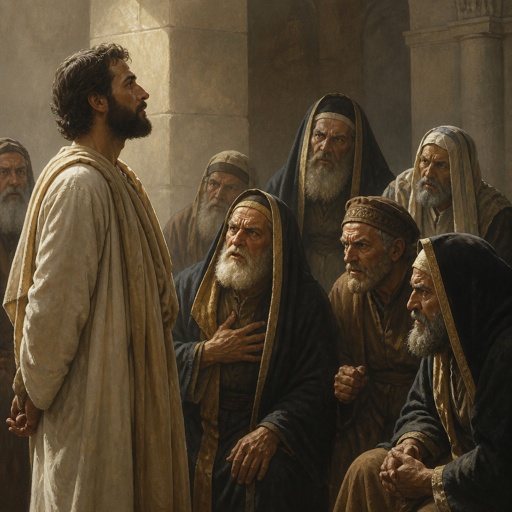
"¶ When they heard these things, they were cut to the heart, and they gnashed on him with their teeth." - Acts 7:54

Nehemiah 7:33 - "The men of the other Nebo, fifty and two."

Nehemiah 7:21 - "The children of Ater of Hezekiah, ninety and eight."

Nehemiah 7:28 - "The men of Beth-azmaveth, forty and two."

Nehemiah 7:14 - "The children of Zaccai, seven hundred and threescore."

Nehemiah 7:27 - "The men of Anathoth, an hundred twenty and eight."

Nehemiah 7:35 - "The children of Harim, three hundred and twenty."

Nehemiah 7:16 - "The children of Bebai, six hundred twenty and eight."

Nehemiah 7:58 - "The children of Jaala, the children of Darkon, the children of Giddel,"

Nehemiah 7:9 - "The children of Shephatiah, three hundred seventy and two."

Nehemiah 7:48 - "The children of Lebana, the children of Hagaba, the children of Shalmai,"

Nehemiah 7:19 - "The children of Bigvai, two thousand threescore and seven."

Nehemiah 7:15 - "The children of Binnui, six hundred forty and eight."

Nehemiah 7:44 - "¶ The singers: the children of Asaph, an hundred forty and eight."

Nehemiah 7:18 - "The children of Adonikam, six hundred threescore and seven."