The Legacy of Faithful Lineage
“And of the priests: the children of Habaiah, the children of Koz, the children of Barzillai, which took one of the daughters of Barzillai the Gileadite to wife, and was called after their name.” — Nehemiah 7:63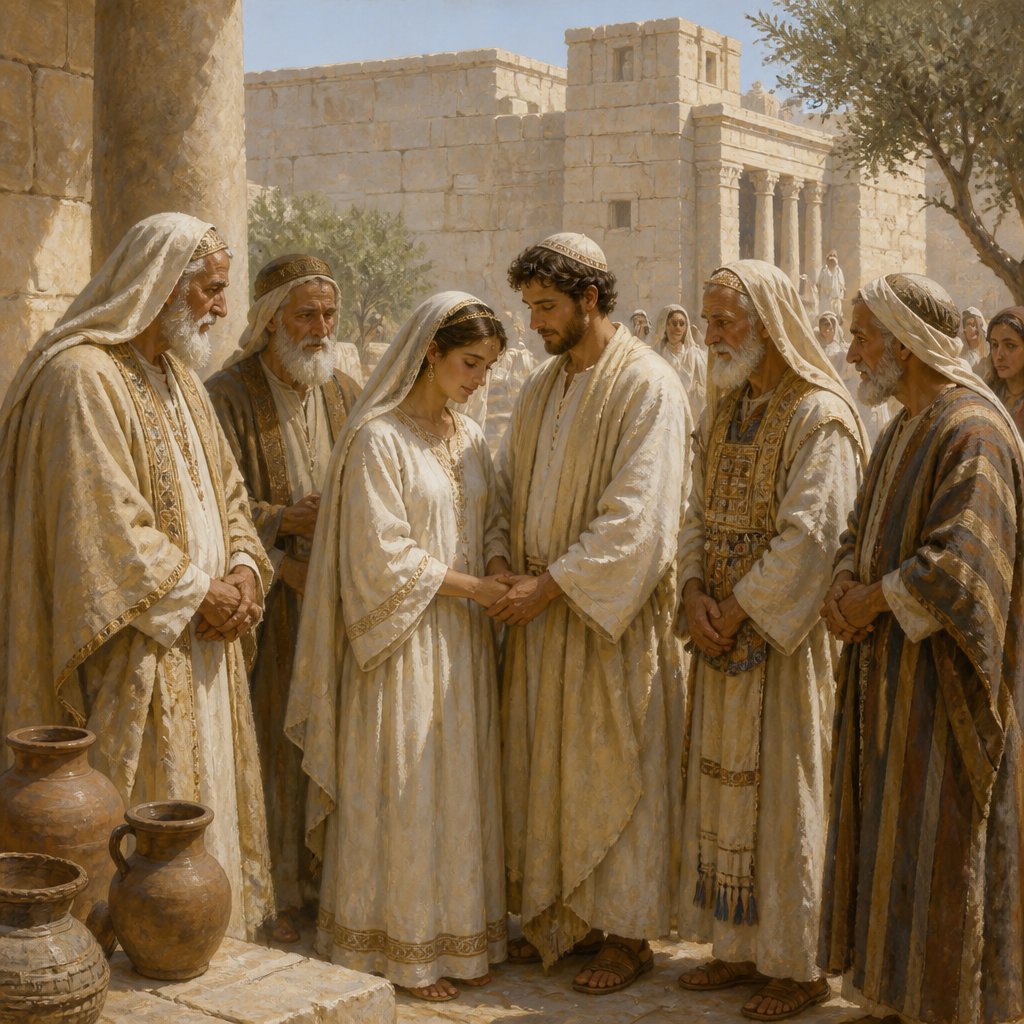
Nehemiah 7:63 states, "And of the priests: the children of Habaiah, the children of Koz, the children of Barzillai, which took one of the daughters of Barzillai the Gileadite to wife, and was called after their name." At a first glance, this verse may seem to be just a census of names—an enumeration of priests and their families. However, upon deeper reflection, we uncover profound spiritual truths that speak to the significance of lineage, commitment, and the faithfulness of God through generations.
The setting of this verse is pivotal for the people of Israel. After decades of exile, they were returning to Jerusalem, a city in ruins, stripped of glitter and glory, yet it was the city of God and the place of their heritage. In this new yet ancient context, Nehemiah was tasked with restoring not only the walls of the city but also the identity and the faith of a people. The listing of genealogies in Nehemiah serves a practical purpose—establishing legitimacy and order among the returning exiles—but they also speak to a deeper spiritual narrative.
Firstly, it is important to acknowledge the names mentioned in this verse—Habaiah, Koz, Barzillai. Each name represents a family, a covenantal lineage that stretches back to the patriarchs. These names are not just arbitrary markers of position; they signify a heritage of faithfulness and commitment to God’s covenant. Barzillai, in particular, is referenced in the past as a loyal supporter of King David, illustrating a legacy of loyalty and honor. Such a reminder challenges us to reflect on our own spiritual lineage—who are the spiritual ancestors that have paved the way for our faith today? How has their faith influenced our own journey?
In making a significant decision, Barzillai takes a daughter to wife from another notable family. This act of marrying his daughter into Barzillai’s lineage points to the importance of commitment—not merely to the name but to the values and faith that the names represent. In doing so, these families were weaving their identities into a larger tapestry of God's plan for His people. The cross-generational marriages were a powerful testament to the unifying vision of God’s design for Israel, transcending individual families to build a collective identity based on shared faith.
As contemporary believers, we are called to rethink our commitment to building our spiritual families. Each family—a microcosm of the Kingdom of God—carries a significant role in the story of faith. The decisions we make within our families affect not only our immediate household but also the broader community of faith. Just as Barzillai’s decision rippled across time, so does our fidelity to God and His teachings shape the next generation. We become living legacies of faith, fostering an environment where faith is nurtured and passed down.
Another noteworthy aspect of this verse is the act of being "called after their name." Names in the biblical context carry weight; they signify identity, purpose, and destiny. By being called after the name of Barzillai, it was not just an acknowledgment but an invitation into his legacy of faithfulness and honor. What name do we associate ourselves with, and how do we reflect that identity in our daily lives? When others look at us, do they see reflections of Christ’s love, grace, and truth?
In conclusion, it’s easy to overlook genealogies and names in Scripture as monotonous inventory. Yet, Nehemiah 7:63 reminds us of the importance of legacy and the weight of our choices and identities. We are called to build our spiritual family in faithfulness, commit to embracing God's promises, and live in such a way that manifests His Kingdom. Let us pray for the wisdom to honor our spiritual ancestors, to make choices that reflect our faith in Christ, and to carry forward a legacy that speaks not just of our present, but of a future that glorifies God.
Get our apps


Artwork for Nehemiah 7:63

Nehemiah 7:63 - "¶ And of the priests: the children of Habaiah, the children of Koz, the children of Barzillai, which took one of the daughters of Barzillai the Gileadite to wife, and was called after their name."
"¶ And of the priests: the children of Habaiah, the children of Koz, the children of Barzillai, which took one of the daughters of Barzillai the Gileadite to wife, and was called after their name." - Nehemiah 7:63

Numbers 7:63 - "One young bullock, one ram, one lamb of the first year, for a burnt offering:"

Psalms 63:7 - "Because thou hast been my help, therefore in the shadow of thy wings will I rejoice."

Nehemiah 7:7 - "Who came with Zerubbabel, Jeshua, Nehemiah, Azariah, Raamiah, Nahamani, Mordecai, Bilshan, Mispereth, Bigvai, Nehum, Baanah. The number, I say, of the men of the people of Israel was this;"

Psalm 63:7-8 - "Because you are my help, I sing in the shadow of your wings. I cling to you; your right hand upholds me."

Nehemiah 10:7 - "Meshullam, Abijah, Mijamin,"

Nehemiah 7:42 - "The children of Harim, a thousand and seventeen."

Nehemiah 7:24 - "The children of Hariph, an hundred and twelve."

Nehemiah 7:56 - "The children of Neziah, the children of Hatipha."

Nehemiah 7:25 - "The children of Gibeon, ninety and five."

Nehemiah 7:40 - "The children of Immer, a thousand fifty and two."

Nehemiah 7:31 - "The men of Michmas, an hundred and twenty and two."

Nehemiah 7:33 - "The men of the other Nebo, fifty and two."

Nehemiah 7:21 - "The children of Ater of Hezekiah, ninety and eight."

Nehemiah 7:28 - "The men of Beth-azmaveth, forty and two."

Nehemiah 7:14 - "The children of Zaccai, seven hundred and threescore."

Nehemiah 7:27 - "The men of Anathoth, an hundred twenty and eight."

Nehemiah 7:35 - "The children of Harim, three hundred and twenty."
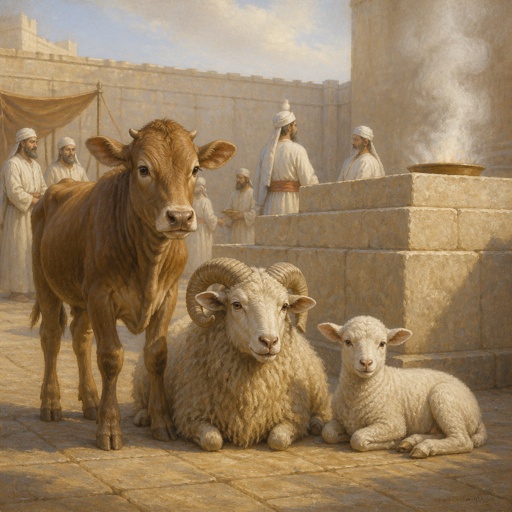
"One young bullock, one ram, one lamb of the first year, for a burnt offering:" - Numbers 7:63

Nehemiah 7:16 - "The children of Bebai, six hundred twenty and eight."

Nehemiah 7:58 - "The children of Jaala, the children of Darkon, the children of Giddel,"

Nehemiah 7:9 - "The children of Shephatiah, three hundred seventy and two."

Nehemiah 7:48 - "The children of Lebana, the children of Hagaba, the children of Shalmai,"

Nehemiah 7:19 - "The children of Bigvai, two thousand threescore and seven."

Nehemiah 7:15 - "The children of Binnui, six hundred forty and eight."

Nehemiah 7:44 - "¶ The singers: the children of Asaph, an hundred forty and eight."

Nehemiah 7:18 - "The children of Adonikam, six hundred threescore and seven."

Nehemiah 7:13 - "The children of Zattu, eight hundred forty and five."

Nehemiah 7:49 - "The children of Hanan, the children of Giddel, the children of Gahar,"