Counting the Blessings: A Devotional Reflection on Nehemiah 7:69
“Their camels, four hundred thirty and five: six thousand seven hundred and twenty asses.” — Nehemiah 7:69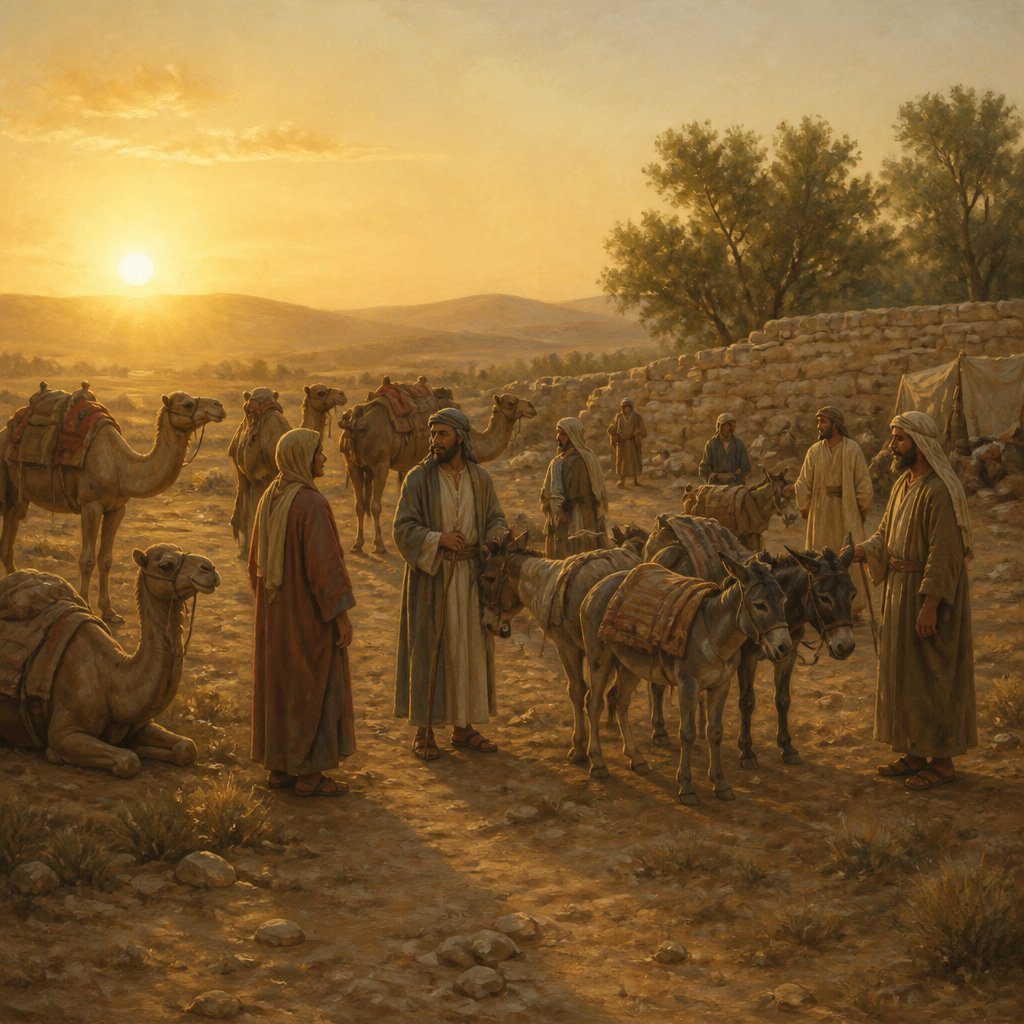
The Book of Nehemiah, while often recognized for its narrative surrounding the rebuilding of the walls of Jerusalem and the restoration of the Jewish community post-exile, also contains passages that may seem mundane at first glance, such as Nehemiah 7:69. This verse states, "Their camels, four hundred thirty and five: six thousand seven hundred and twenty asses." At first read, it might seem like just another census of livestock, but there lies a deeper significance woven within these numbers that invites us to a greater understanding of God's provision and our response to it.
In ancient Israel, animals such as camels and donkeys were not merely beasts of burden; they were vital assets that signified wealth, status, and the capability to carry on with life in a nomadic and agrarian society. The camels mentioned, the four hundred thirty-five of them, were essential for trade, travel, and transport. Meanwhile, the six thousand seven hundred and twenty donkeys—referred to lovingly in the original text as asses—were crucial for daily labor and agricultural productivity. Thus, while this verse catalogues material possessions, it simultaneously paints a picture of a people beginning to reclaim their identity and prosperity after years of displacement and oppression.
For us today, Nehemiah 7:69 opens several avenues for contemplation about how we view and manage our blessings. In contemporary terms, we might ask ourselves, what do our 'camels' and 'asses' represent? Are they our jobs, families, friendships, opportunities, or perhaps our spiritual gifts and talents? Furthermore, how often do we stop to recognize these blessings and acknowledge their role in our lives?
Gratitude is a fundamental posture in our Christian walk. Paul writes in 1 Thessalonians 5:18, "In every thing give thanks: for this is the will of God in Christ Jesus concerning you." When we count our blessings, as the verse in Nehemiah encourages us to recognize the provision God had given to Israel, we are called into a place of remembrance. Just as the Israelites were getting back on their feet after years of hardship, we too are often called to rebuild, both our lives and our perspectives.
What does it mean to 'count'? To count is to acknowledge, to reflect, and to appreciate. It encourages us not to take our provisions for granted, but to see them as gifts from a loving God. Each camel and donkey represents moments of favor and providence, moments where God provided seen and unseen resources to sustain us. In acknowledging these blessings, we foster an attitude of thankfulness which can serve as a catalyst for faith moves in our lives.
Furthermore, the precision of numbers in this verse - the exact count of camels and donkeys - reminds us that God is attentive to detail. He sees our needs and provides precisely what we require at the right time. This attention to detail should inspire us to trust in God’s faithfulness. Matthew 6:26 reminds us of this when Jesus says, "Behold the fowls of the air: for they sow not, neither do they reap, nor gather into barns; yet your heavenly Father feedeth them. Are ye not much better than they?" Just as God looked after the provision for the Israelites, He has a plan and provision for each of us.
As you meditate on Nehemiah 7:69, take time to consider your own livestocks, both tangible and intangible. What provisions has God blessed you with? How can you show gratitude for those things? Practice counting your blessings by writing them down, sharing with others, or simply lifting your voice in thanks to God. Just as the Israelites rejoiced in their return and the abundance that God provided, let us also rejoice and be thankful for His unwavering presence in our lives. May we celebrate every camel and donkey that represents God's faithfulness and provision.
Get our apps


Artwork for Nehemiah 7:69
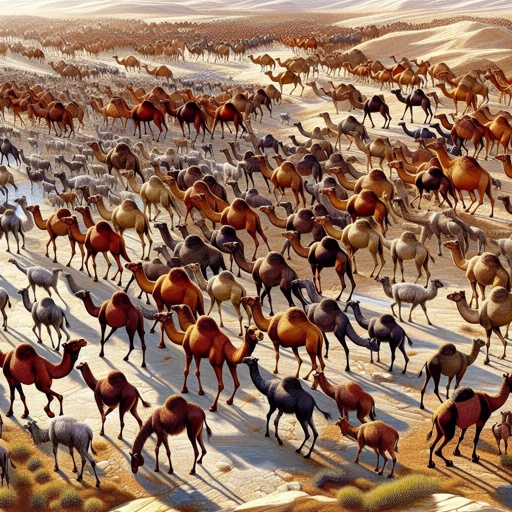
Nehemiah 7:69 - "Their camels, four hundred thirty and five: six thousand seven hundred and twenty asses."
"Their camels, four hundred thirty and five: six thousand seven hundred and twenty asses." - Nehemiah 7:69

Numbers 7:69 - "One young bullock, one ram, one lamb of the first year, for a burnt offering:"

Psalms 69:7 - "Because for thy sake I have borne reproach; shame hath covered my face."

Nehemiah 7:7 - "Who came with Zerubbabel, Jeshua, Nehemiah, Azariah, Raamiah, Nahamani, Mordecai, Bilshan, Mispereth, Bigvai, Nehum, Baanah. The number, I say, of the men of the people of Israel was this;"

Psalms 69:7-8 - "For it is for your sake that I have borne reproach, that dishonor has covered my face. I have become a stranger to my brothers, an alien to my mother's sons."

Nehemiah 10:7 - "Meshullam, Abijah, Mijamin,"

Nehemiah 7:42 - "The children of Harim, a thousand and seventeen."

Nehemiah 7:24 - "The children of Hariph, an hundred and twelve."

Nehemiah 7:56 - "The children of Neziah, the children of Hatipha."
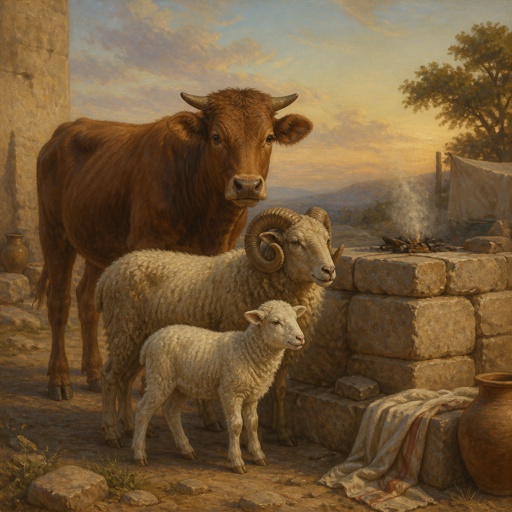
"One young bullock, one ram, one lamb of the first year, for a burnt offering:" - Numbers 7:69

Nehemiah 7:25 - "The children of Gibeon, ninety and five."

Nehemiah 7:40 - "The children of Immer, a thousand fifty and two."

Nehemiah 7:31 - "The men of Michmas, an hundred and twenty and two."

Nehemiah 7:33 - "The men of the other Nebo, fifty and two."

Nehemiah 7:28 - "The men of Beth-azmaveth, forty and two."

Nehemiah 7:21 - "The children of Ater of Hezekiah, ninety and eight."

Nehemiah 7:14 - "The children of Zaccai, seven hundred and threescore."

Nehemiah 7:27 - "The men of Anathoth, an hundred twenty and eight."

Nehemiah 7:35 - "The children of Harim, three hundred and twenty."
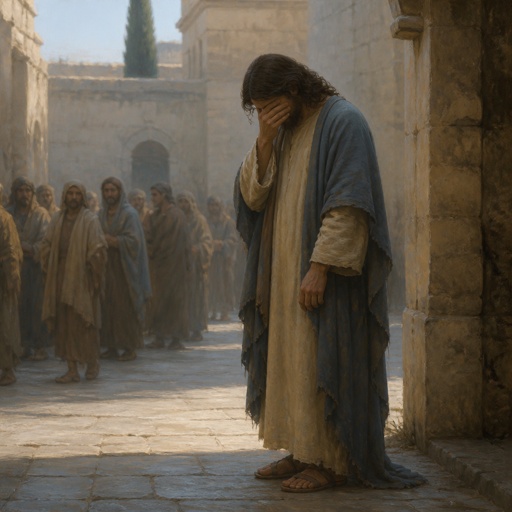
"Because for thy sake I have borne reproach; shame hath covered my face." - Psalms 69:7

Nehemiah 7:16 - "The children of Bebai, six hundred twenty and eight."

Nehemiah 7:58 - "The children of Jaala, the children of Darkon, the children of Giddel,"

Nehemiah 7:9 - "The children of Shephatiah, three hundred seventy and two."

Nehemiah 7:48 - "The children of Lebana, the children of Hagaba, the children of Shalmai,"

Nehemiah 7:15 - "The children of Binnui, six hundred forty and eight."

Nehemiah 7:19 - "The children of Bigvai, two thousand threescore and seven."

Nehemiah 7:44 - "¶ The singers: the children of Asaph, an hundred forty and eight."

Nehemiah 7:13 - "The children of Zattu, eight hundred forty and five."

Nehemiah 7:18 - "The children of Adonikam, six hundred threescore and seven."