A Call to Separation: Embracing Confession and Purity
“And the seed of Israel separated themselves from all strangers, and stood and confessed their sins, and the iniquities of their fathers.” — Nehemiah 9:2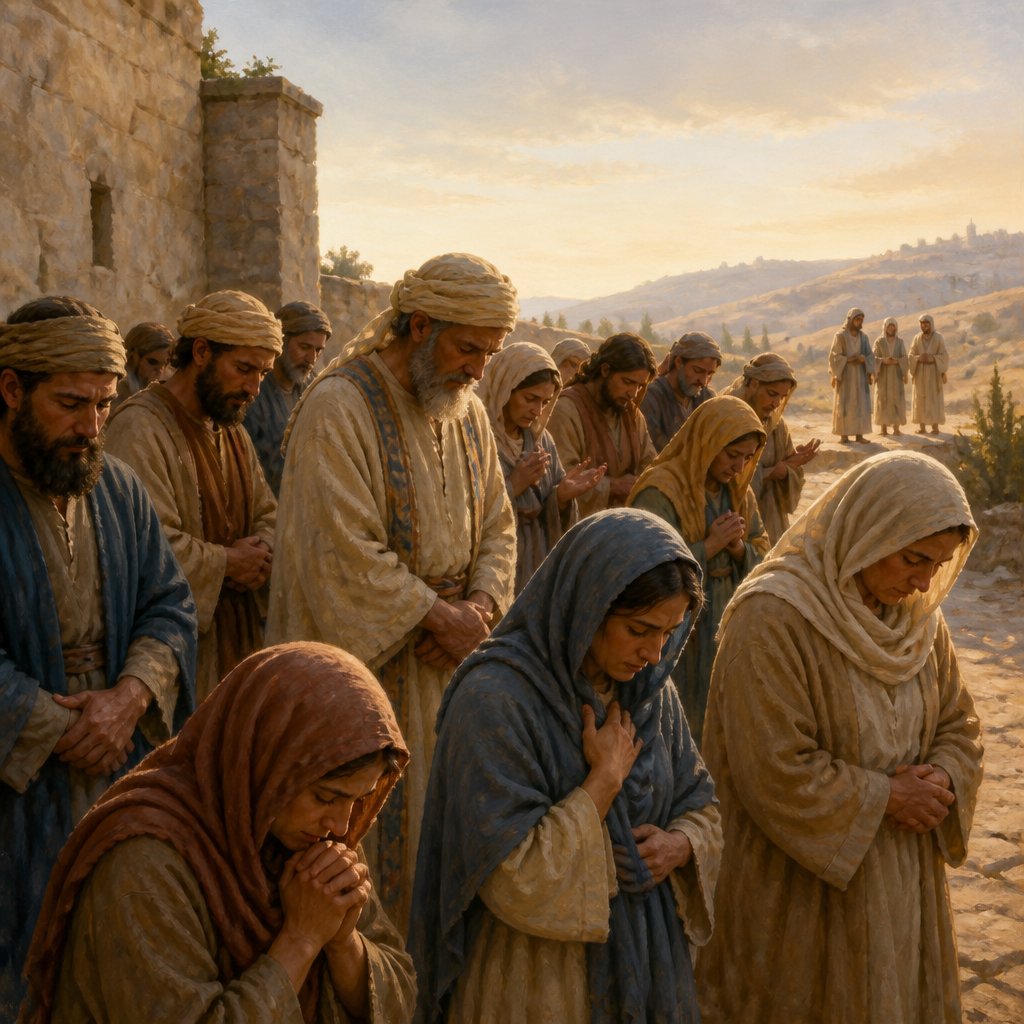
In the book of Nehemiah, we witness a profound moment in the life of the Israelites as they return from exile and recommit themselves to God. Nehemiah 9:2 states, "And the seed of Israel separated themselves from all strangers, and stood and confessed their sins, and the iniquities of their fathers" (KJV). This verse is rich in context and can serve as a foundational element for our spiritual lives today.
The act of separation is significant. It reflects a conscious decision to turn away from influences and affiliations that compromise one's identity as a follower of God. In the contemporary world, where boundaries are often blurred, the Israelites’ determination to separate themselves from 'strangers' reflects a desire to live out their covenant relationship with God. They recognized that to align with the Lord meant not only to embrace Him but also to let go of other ties that could lead to spiritual dilution or compromise. This provides a powerful lesson — to grow in our faith, we must sometimes step away from relationships or environments that pull us away from our devotion to God. Who we choose to surround ourselves with can greatly impact our spiritual health. Paul echoes this sentiment in 2 Corinthians 6:14, urging believers to not be unequally yoked with unbelievers.
Next comes the acknowledgment of sin. The Israelites stood and confessed their sins and the iniquities of their fathers. This action speaks to the heart of repentance. Confession is often misunderstood in modern Christianity. Many view it merely as a ritualistic act, yet it is deeply personal and transformative. To confess one's sins before God is to recognize that we have fallen short of His glory and embrace His mercy. It is an act of vulnerability that requires humility and honesty. By confessing not only their own sins but also the failings of their ancestors, the Israelites rooted their identity in a communal experience of grace. They acknowledged that sin is not just an individual struggle but often a collective reality that spans generations.
In our own lives, the recognition of sin can be daunting. There is a tendency to want to brush these matters under the rug, to ignore the less savory parts of our spiritual journey. However, it is in the act of confession that healing begins. James 5:16 encourages believers to confess their faults to one another and pray for each other, illustrating that confession is a pathway to restoration and accountability within the community of faith. We are reminded that our past does not have to define us. We can acknowledge it and seek God's forgiveness, allowing His grace to rewrite our stories.
The communal aspect of confession is also essential. Just as the Israelites confessed the sins of their fathers, we must also remember that we are part of a larger faith community. Our actions and our attitudes can have ripple effects that impact those around us. By recognizing the iniquities of our forebears, we understand that we are part of a spiritual lineage that calls us to integrity and righteousness. This collective confession encourages us to be better stewards of our shared faith, to learn from past mistakes, and to pave the way for a future rooted in grace.
As we meditate on Nehemiah 9:2, let us embrace the call to separation without condemnation, to confess without shame. May our hearts be stirred to seek purity, not just for ourselves but also for our families, communities, and nations. We serve a God who is faithful to forgive, and who desires a people set apart for His glory.
As we stand in His presence, let us lay our burdens down and receive His cleansing and restoration. In our confession, let us find the courage to turn away from what does not honor Him and to step into the fullness of life He offers. Let us go forth as a distinct people, marked by His grace, dedicated to His service, and committed to living lives that reflect the holiness of our God.
Get our apps


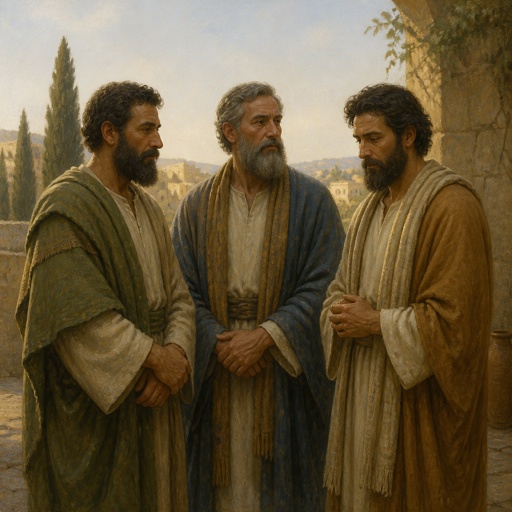
Artwork for Nehemiah 9:2

Nehemiah 9:2 - "And the seed of Israel separated themselves from all strangers, and stood and confessed their sins, and the iniquities of their fathers."
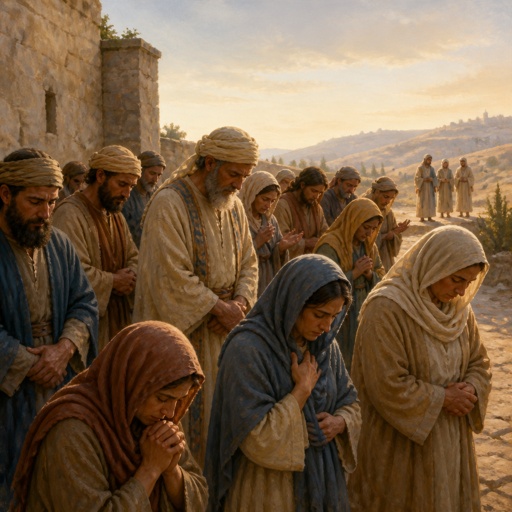
"And the seed of Israel separated themselves from all strangers, and stood and confessed their sins, and the iniquities of their fathers." - Nehemiah 9:2

Nehemiah 2:9 - "¶ Then I came to the governors beyond the river, and gave them the king's letters. Now the king had sent captains of the army and horsemen with me."

Nehemiah 6:9

Nehemiah 9:9 - "And didst see the affliction of our fathers in Egypt, and heardest their cry by the Red sea;"

Nehemiah 7:9 - "The children of Shephatiah, three hundred seventy and two."

Nehemiah 9:16 - "But they and our fathers dealt proudly, and hardened their necks, and hearkened not to thy commandments,"

Nehemiah 12:9 - "Also Bakbukiah and Unni, their brethren, were over against them in the watches."

Nehemiah 10:9 - "And the Levites: both Jeshua the son of Azaniah, Binnui of the sons of Henadad, Kadmiel;"

Nehemiah 11:9 - "And Joel the son of Zichri was their overseer: and Judah the son of Senuah was second over the city."

Nehemiah 3:9 - "And next unto them repaired Rephaiah the son of Hur, the ruler of the half part of Jerusalem."

Nehemiah 12:2 - "Amariah, Malluch, Hattush,"

Nehemiah 10:2 - "Seraiah, Azariah, Jeremiah,"

Nehemiah 8:9 - "¶ And Nehemiah, which is the Tirshatha, and Ezra the priest the scribe, and the Levites that taught the people, said unto all the people, This day is holy unto the LORD your God; mourn not, nor weep. For all the people wept, when they heard the words of the law."

Nehemiah 9:38 - "And because of all this we make a sure covenant, and write it; and our princes, Levites, and priests, seal unto it."

"And didst see the affliction of our fathers in Egypt, and heardest their cry by the Red sea;" - Nehemiah 9:9

Nehemiah 13:9 - "Then I commanded, and they cleansed the chambers: and thither brought I again the vessels of the house of God, with the meat offering and the frankincense."

"The children of Shephatiah, three hundred seventy and two." - Nehemiah 7:9

Nehemiah 9:1 - "Now in the twenty and fourth day of this month the children of Israel were assembled with fasting, and with sackclothes, and earth upon them."

Nehemiah 2:11 - "So I came to Jerusalem, and was there three days."

Nehemiah 9:33 - "Howbeit thou art just in all that is brought upon us; for thou hast done right, but we have done wickedly:"
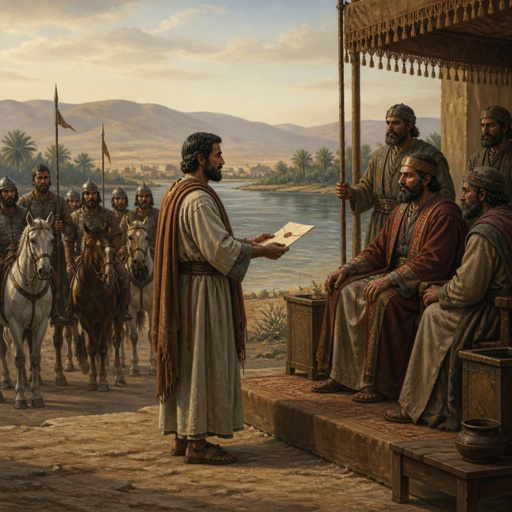
"¶ Then I came to the governors beyond the river, and gave them the king's letters. Now the king had sent captains of the army and horsemen with me." - Nehemiah 2:9

Nehemiah 9:21 - "Yea, forty years didst thou sustain them in the wilderness, so that they lacked nothing; their clothes waxed not old, and their feet swelled not."

Nehemiah 9:14 - "And madest known unto them thy holy sabbath, and commandedst them precepts, statutes, and laws, by the hand of Moses thy servant:"

Nehemiah 4:9 - "Nevertheless we made our prayer unto our God, and set a watch against them day and night, because of them."

Nehemiah 9:20 - "Thou gavest also thy good spirit to instruct them, and withheldest not thy manna from their mouth, and gavest them water for their thirst."

Nehemiah 9:12 - "Moreover thou leddest them in the day by a cloudy pillar; and in the night by a pillar of fire, to give them light in the way wherein they should go."

Nehemiah 5:9 - "Also I said, It is not good that ye do: ought ye not to walk in the fear of our God because of the reproach of the heathen our enemies?"
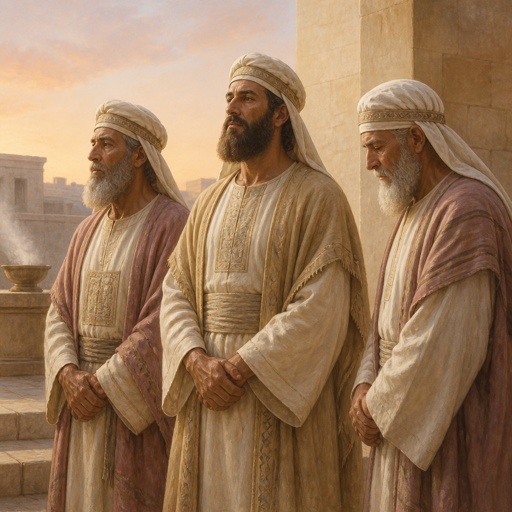
"Amariah, Malluch, Hattush," - Nehemiah 12:2
"Seraiah, Azariah, Jeremiah," - Nehemiah 10:2