Blessing the Name of the Lord: A Call to Exaltation
“Then the Levites, Jeshua, and Kadmiel, Bani, Hashabniah, Sherebiah, Hodijah, Shebaniah, and Pethahiah, said, Stand up and bless the LORD your God for ever and ever: and blessed be thy glorious name, which is exalted above all blessing and praise.” — Nehemiah 9:5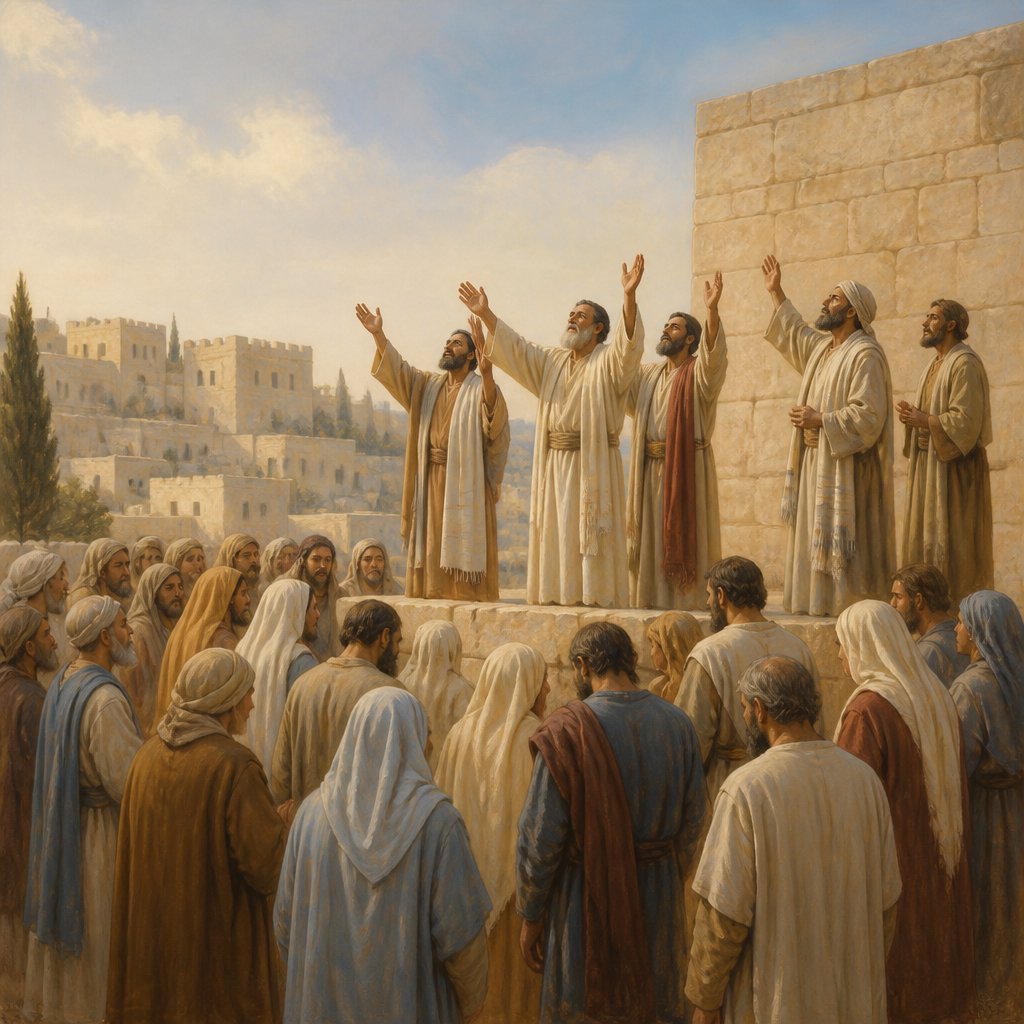
In Nehemiah 9:5, we find a powerful call to worship and adoration: "Then the Levites, Jeshua, and Kadmiel, Bani, Hashabniah, Sherebiah, Hodijah, Shebaniah, and Pethahiah, said, Stand up and bless the LORD your God for ever and ever: and blessed be thy glorious name, which is exalted above all blessing and praise." This verse serves as a poignant reminder of the reverence we owe to God and the importance of acknowledging His glory and majesty in our lives.
The context in which this verse appears is significant. The Israelites have just returned from Babylonian exile, a period marked by sorrow and loss. Yet, amidst the ruins of their past, they are being called to recognize and celebrate the faithfulness of God, who has restored them. This is not merely a ritualistic act; it is an acknowledgment of God's character and His role as the sovereign Creator who deserves all praise.
The Levites, designated leaders of worship, summon the people to stand up—a physical expression of their readiness to engage with God. Standing up symbolizes reverence, a readiness to hear, and a preparedness to respond. In our own worship, whether collective or personal, standing in the presence of God can remind us to approach Him with humility and respect.
The phrase "bless the LORD your God for ever and ever" indicates an ongoing, eternal relationship with God. Our blessing of God doesn’t just occur in a moment of need or during times of celebration. Instead, it should be a continuous expression of our recognition of his goodness and grace. To bless God is not to impart anything to Him but to acknowledge His divine nature, His acts of love, and His sovereignty in our lives. This recognition calls us into a deeper relationship, one built on gratitude and praise.
Furthermore, the phrase "blessed be thy glorious name" reflects the deep-seated understanding of God’s holiness and unmatched grandeur. Within the name of God lies the fullness of His character—His love, justice, mercy, and power. To exalt His name is to lift it above our circumstances, our desires, and even our understanding of the world. This act of exalting His name becomes a sanctuary for the soul—a place of refuge where we can find peace and assurance, knowing that the Creator of the universe holds all things in His hands.
As we meditate on this verse, let us ask ourselves: what does it mean to bless God in our daily lives? Is our worship confined to Sundays, or does it permeate our routines, choices, and interactions throughout the week? Do we take time to stand, to pause in our busy lives, to reflect and recognize God’s hand upon us? As we face the challenges and distractions of life, it is vital to cultivate a posture of praise and adoration, acknowledging His authority over our lives.
Moreover, the aspect of praising God as "exalted above all blessing and praise" puts everything else in perfect perspective. No earthly possession, pleasure, or concern can come close to the glory and worth of our God. When we exalt Him above all else, we become attuned to His leading and provision. Our burdens become lighter, as we realize that nothing can compare to the presence of our Lord in our lives.
In closing, let us heed the call of the Levites in Nehemiah 9:5. Let us stand up and bless the Lord, acknowledging His glorious name and His sovereign reign. May our lives be filled with continual praise, marking us as people who live in the light of His glory, forever and ever. Amen.
Get our apps


Artwork for Nehemiah 9:5

Nehemiah 9:5 - "Then the Levites, Jeshua, and Kadmiel, Bani, Hashabniah, Sherebiah, Hodijah, Shebaniah, and Pethahiah, said, Stand up and bless the LORD your God for ever and ever: and blessed be thy glorious name, which is exalted above all blessing and praise."
"Then the Levites, Jeshua, and Kadmiel, Bani, Hashabniah, Sherebiah, Hodijah, Shebaniah, and Pethahiah, said, Stand up and bless the LORD your God for ever and ever: and blessed be thy glorious name, which is exalted above all blessing and praise." - Nehemiah 9:5

Nehemiah 5:9 - "Also I said, It is not good that ye do: ought ye not to walk in the fear of our God because of the reproach of the heathen our enemies?"

Nehemiah 6:9

Nehemiah 9:9 - "And didst see the affliction of our fathers in Egypt, and heardest their cry by the Red sea;"

Nehemiah 10:5 - "Harim, Meremoth, Obadiah,"

Nehemiah 12:5 - "Miamin, Maadiah, Bilgah,"

Nehemiah 7:9 - "The children of Shephatiah, three hundred seventy and two."

Nehemiah 5:1 - "And there was a great cry of the people and of their wives against their brethren the Jews."

"Harim, Meremoth, Obadiah," - Nehemiah 10:5

"Miamin, Maadiah, Bilgah," - Nehemiah 12:5

Nehemiah 9:16 - "But they and our fathers dealt proudly, and hardened their necks, and hearkened not to thy commandments,"

Nehemiah 5:6 - "¶ And I was very angry when I heard their cry and these words."

Nehemiah 12:9 - "Also Bakbukiah and Unni, their brethren, were over against them in the watches."

Nehemiah 10:9 - "And the Levites: both Jeshua the son of Azaniah, Binnui of the sons of Henadad, Kadmiel;"
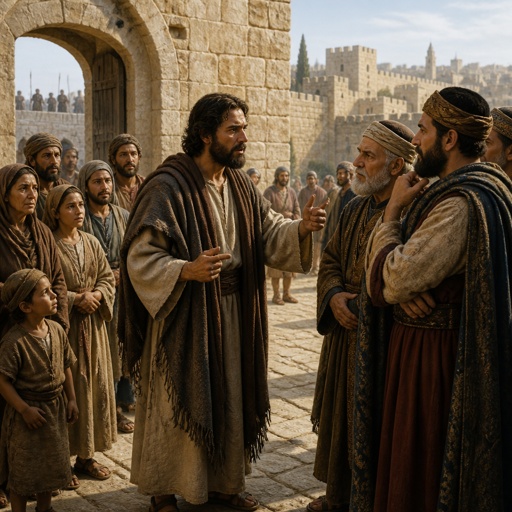
"Also I said, It is not good that ye do: ought ye not to walk in the fear of our God because of the reproach of the heathen our enemies?" - Nehemiah 5:9

Nehemiah 11:9 - "And Joel the son of Zichri was their overseer: and Judah the son of Senuah was second over the city."

Nehemiah 3:5 - "And next unto them the Tekoites repaired; but their nobles put not their necks to the work of their Lord."

Nehemiah 3:9 - "And next unto them repaired Rephaiah the son of Hur, the ruler of the half part of Jerusalem."

Nehemiah 9:2 - "And the seed of Israel separated themselves from all strangers, and stood and confessed their sins, and the iniquities of their fathers."

Nehemiah 8:9 - "¶ And Nehemiah, which is the Tirshatha, and Ezra the priest the scribe, and the Levites that taught the people, said unto all the people, This day is holy unto the LORD your God; mourn not, nor weep. For all the people wept, when they heard the words of the law."

Nehemiah 5:19 - "Think upon me, my God, for good, according to all that I have done for this people."

Nehemiah 9:38 - "And because of all this we make a sure covenant, and write it; and our princes, Levites, and priests, seal unto it."

"And didst see the affliction of our fathers in Egypt, and heardest their cry by the Red sea;" - Nehemiah 9:9

Nehemiah 13:9 - "Then I commanded, and they cleansed the chambers: and thither brought I again the vessels of the house of God, with the meat offering and the frankincense."

"The children of Shephatiah, three hundred seventy and two." - Nehemiah 7:9

Nehemiah 5:4 - "There were also that said, We have borrowed money for the king's tribute, and that upon our lands and vineyards."

Nehemiah 9:1 - "Now in the twenty and fourth day of this month the children of Israel were assembled with fasting, and with sackclothes, and earth upon them."

Nehemiah 6:5 - "Then sent Sanballat his servant unto me in like manner the fifth time with an open letter in his hand;"

Nehemiah 9:33 - "Howbeit thou art just in all that is brought upon us; for thou hast done right, but we have done wickedly:"