The Strength in Meekness: Lessons from Moses
“( Now the man Moses was very meek, above all the men which were upon the face of the earth.)” — Numbers 12:3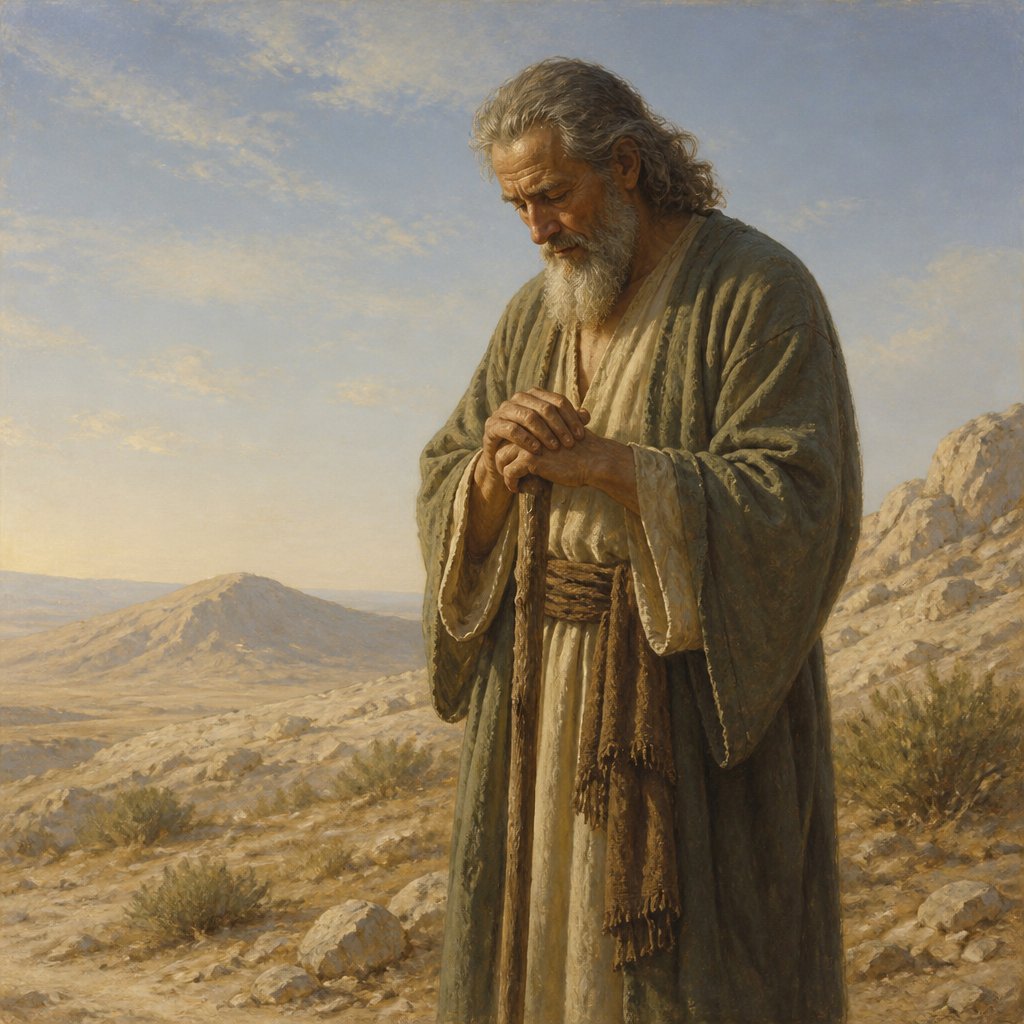
In a world that often equates strength with power, aggression, and assertiveness, the Scriptures offer a radical perspective through the life of Moses. Numbers 12:3 states, "Now the man Moses was very meek, above all the men which were upon the face of the earth." This verse not only exalts Moses as the meekest of all, but it also challenges us to reconsider our definitions of strength and leadership.
Meekness, as exemplified by Moses, is often misunderstood. In contemporary contexts, when we speak of being meek, the impression given is of weakness, vulnerability, or passivity. However, the biblical understanding of meekness is far richer and deeper. It encompasses a therapeutic humility that springs from a heart fully surrendered to God. Meekness does not imply a lack of courage or conviction; rather, it often requires immense strength to subdue one’s own desires and to lean into God’s will.
Moses, tasked with leading the Israelites out of Egypt and through the wilderness, is a profound representation of this humble strength. His journey was not free of difficulties; it was a path filled with trials, complaints, and the burden of leadership. The Israelites frequently rebelled, questioning both God’s plans and Moses' authority. In the midst of such adversity, Moses exhibited incredible patience and humility. His meek spirit didn’t lead him to retaliate or lash out, but to seek God earnestly, interceding for his people even when they turned against him.
The first lesson we can glean from Moses’ meekness is the necessity of surrender. As Christians, we are called to yield our ambitions, desires, and rights to God. Jesus echoes this theme in the Beatitudes, specifically in Matthew 5:5, "Blessed are the meek: for they shall inherit the earth." The world rewards brashness, but God honors those who are humble. To lead with meekness is to acknowledge that our strength lies not in our own abilities, but in our reliance on the Creator.
Additionally, Moses’ meekness fostered deeper relationships. His gentleness allowed him to connect with others, to empathize with their struggles, and to lead them with care rather than compulsion. In our own interactions, whether in our families, workplaces, or communities, we are called to mirror this quality of meekness. It enables us to listen more than we speak, to seek understanding rather than assert dominance, and to uplift rather than tear down.
A poignant example of this is seen when Moses encounters God at the burning bush. Despite his significant role as a leader, Moses approached God with unease, expressing self-doubt regarding his capability to speak on behalf of the Israelites (Exodus 3:11-12). It is this humility that God responds to — He empowers Moses, assuring him that He will be with him. This interaction captures the essence of meekness: acknowledging our limitations while aligning ourselves with God’s infinite strength.
Moreover, the legacy of Moses serves as a lesson in enduring faithfulness. His life of meekness did not prevent challenges or hardships — indeed, it was rife with them — but it taught him and his people the importance of faith and trust in God. In our lives, embracing meekness means being open to God’s guidance, even when circumstances seem overwhelming. It is a commitment to walk the path He lays out before us, trusting that He equips those He calls.
In conclusion, let us strive to cultivate the meekness exemplified by Moses, recognizing it as a core trait of true leadership. In surrendering our pride and embracing humility, we participate in the divine strength that carries us beyond our limitations. As we reflect on Moses’ meekness today, let us ask ourselves: How can we embody this spirit of humility in our own lives? May we find strength in our vulnerability and grace in our humility, just as Moses did, as we seek to serve God and others with a meek heart.
Get our apps


Artwork for Numbers 12:3
Numbers 12:3 - "(Now the man Moses was very meek, above all the men which were upon the face of the earth.)"
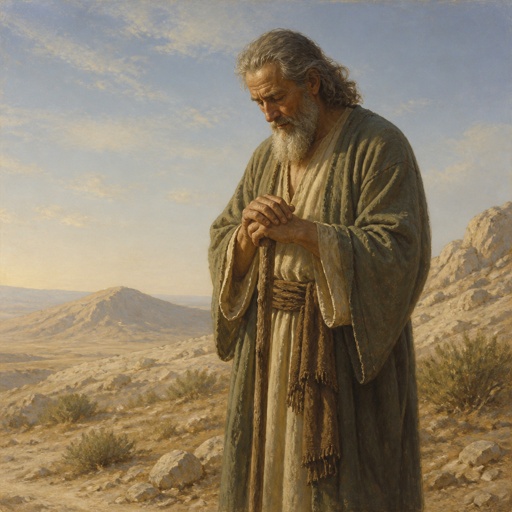
"(Now the man Moses was very meek, above all the men which were upon the face of the earth.)" - Numbers 12:3

Numbers 3:12 - "And I, behold, I have taken the Levites from among the children of Israel instead of all the firstborn that openeth the matrix among the children of Israel: therefore the Levites shall be mine;"

Numbers 12 15

In Numbers 12, Miriam and Aaron

Numbers 1:12 - "Of Dan; Ahiezer the son of Ammishaddai."

Numbers 3:41

Numbers 13:12 - "Of the tribe of Dan, Ammiel the son of Gemalli."

Numbers 12:12 - "Let her not be as one dead, of whom the flesh is half consumed when he cometh out of his mother's womb."

Numbers 21:12 - "¶ From thence they removed, and pitched in the valley of Zared."

Numbers 12:9 - "And the anger of the LORD was kindled against them; and he departed."

Numbers 33:12 - "And they took their journey out of the wilderness of Sin, and encamped in Dophkah."

Numbers 3:16 - "And Moses numbered them according to the word of the LORD, as he was commanded."

Numbers 3:3 - "These are the names of the sons of Aaron, the priests which were anointed, whom he consecrated to minister in the priest's office."

Numbers 12:16 - "And afterward the people removed from Hazeroth, and pitched in the wilderness of Paran."

Numbers 15:12 - "According to the number that ye shall prepare, so shall ye do to every one according to their number."

Numbers 12:7 - "My servant Moses is not so, who is faithful in all mine house."

Numbers 3:5 - "¶ And the LORD spake unto Moses, saying,"

Numbers 3:44 - "¶ And the LORD spake unto Moses, saying,"

Numbers 3:11 - "And the LORD spake unto Moses, saying,"

Picture of Numbers 21:1-3

Levites selected as priests in numbers 3

"Of Dan; Ahiezer the son of Ammishaddai." - Numbers 1:12

Numbers 3:42 - "And Moses numbered, as the LORD commanded him, all the firstborn among the children of Israel."

Numbers 3:18 - "And these are the names of the sons of Gershon by their families; Libni, and Shimei."

Numbers 12. Aaron and Miriam spoke against Moses

"For the eyes of the Lord are over the righteous, and his ears are open unto their prayers: but the face of the Lord is against them that do evil." - 1 Peter 3:12

Numbers 3:19 - "And the sons of Kohath by their families; Amram, and Izehar, Hebron, and Uzziel."

Numbers 3:14 - "¶ And the LORD spake unto Moses in the wilderness of Sinai, saying,"

Numbers 3:23 - "The families of the Gershonites shall pitch behind the tabernacle westward."