What does Numbers 12:3 mean?
“( Now the man Moses was very meek, above all the men which were upon the face of the earth.)” — Numbers 12:3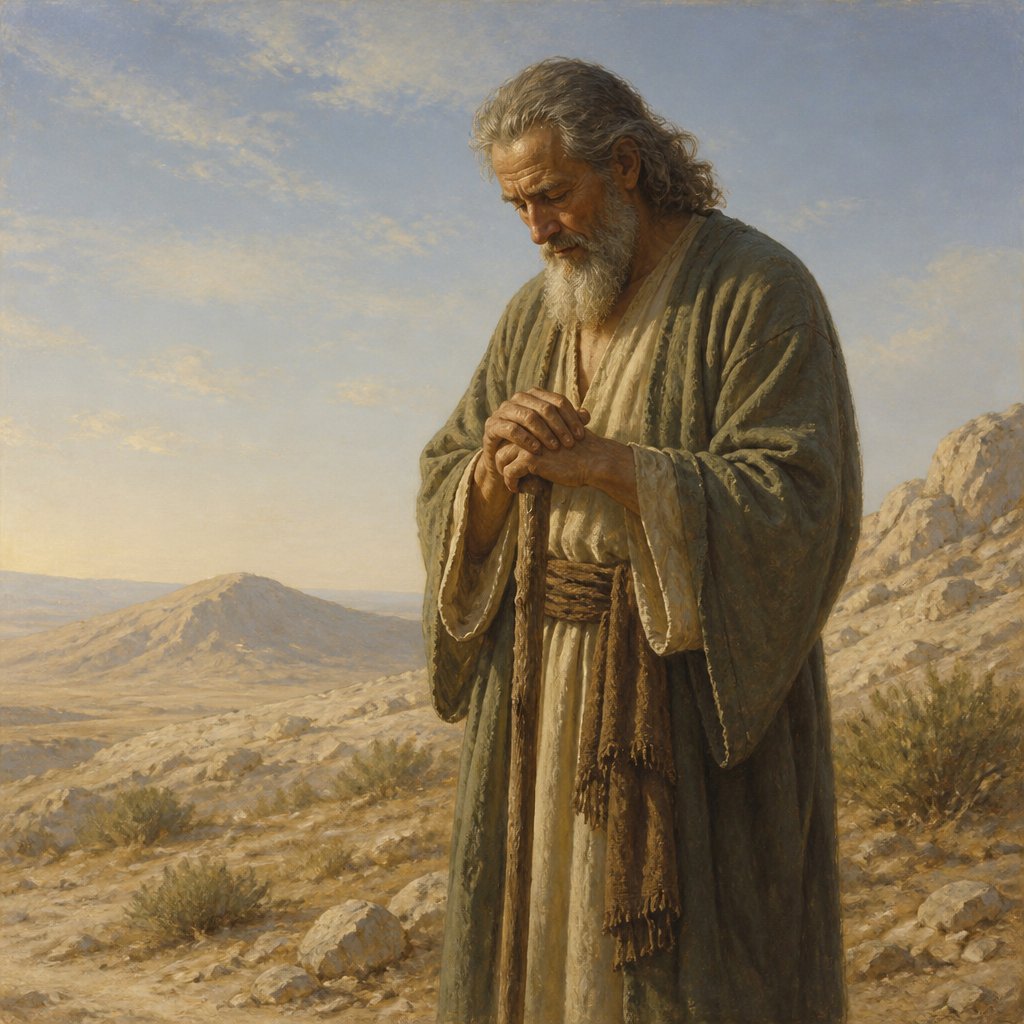
Numbers 12:3 from the King James Version (KJV) reads, "Now the man Moses was very meek, above all the men which were upon the face of the earth." This verse is a simple statement, but it carries deep implications about the character of Moses and the nature of leadership and humility.
To fully understand the significance of this verse, it is important to provide some context. Numbers is the fourth book of the Old Testament and it is a book that primarily deals with the Israelites' journey from Egypt to the Promised Land. In this particular chapter, Moses' leadership is challenged by his own siblings, Aaron and Miriam. They question his authority and criticize him for marrying a Cushite woman. In response to their criticism, God affirms Moses' leadership and calls them all to the tent of meeting. It is at this point that the verse in question is spoken.
The verse states that Moses was "very meek, above all the men which were upon the face of the earth." This is a profound statement about the character of Moses. Meekness, in the biblical context, does not mean weakness, but rather, it refers to a humble and gentle spirit. Moses is described as being meek to an extraordinary degree, surpassing all other men on the earth.
This verse serves multiple purposes. Firstly, it establishes Moses' exceptional qualities as a leader. In the ancient world, leaders were often associated with power, dominance, and authority. Moses, on the other hand, is presented as a leader who embodies meekness and humility. This challenges the conventional understanding of leadership and power, emphasizing the importance of humility and gentleness in leadership.
Secondly, the verse serves as a defense of Moses' leadership in the face of criticism. By highlighting his meekness, God reaffirms Moses' position as the chosen leader of the Israelites. It also serves as a warning to Aaron and Miriam not to question or challenge the authority that God has established through Moses.
From a broader thematic perspective, the verse in question also highlights the importance of humility in the biblical context. Throughout the Bible, there is a consistent emphasis on the virtue of humility and meekness. Jesus himself preached, "Blessed are the meek, for they shall inherit the earth" (Matthew 5:5). This verse in Numbers aligns with this recurring theme, emphasizing the value of humility in the eyes of God.
Symbolically, Moses' meekness can be seen as a foreshadowing of the ultimate example of humility in Jesus Christ. As the ultimate leader and savior, Jesus demonstrated extraordinary humility by laying down his life for the salvation of humanity. Moses, as a prefiguration of Jesus, exemplifies this quality of humility through his leadership of the Israelites.
In conclusion, Numbers 12:3 is a powerful verse that conveys a deep and meaningful message about the nature of leadership, the importance of humility, and the character of Moses. It challenges conventional understandings of leadership, emphasizes the value of humility, and serves as a defense of Moses' leadership. Ultimately, it points to the broader biblical theme of the virtue of humility, aligning with the teachings of Jesus and symbolically prefiguring his ultimate act of humility on the cross.
Get our apps


Artwork for Numbers 12:3
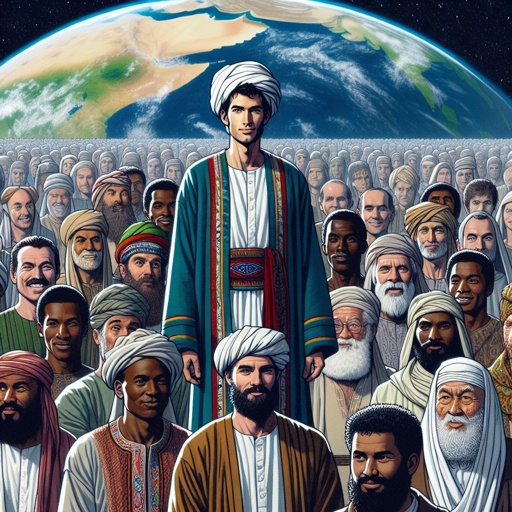
Numbers 12:3 - "(Now the man Moses was very meek, above all the men which were upon the face of the earth.)"
"(Now the man Moses was very meek, above all the men which were upon the face of the earth.)" - Numbers 12:3

Numbers 3:12 - "And I, behold, I have taken the Levites from among the children of Israel instead of all the firstborn that openeth the matrix among the children of Israel: therefore the Levites shall be mine;"

Numbers 12 15

In Numbers 12, Miriam and Aaron

Numbers 1:12 - "Of Dan; Ahiezer the son of Ammishaddai."

Numbers 3:41

Numbers 13:12 - "Of the tribe of Dan, Ammiel the son of Gemalli."

Numbers 12:12 - "Let her not be as one dead, of whom the flesh is half consumed when he cometh out of his mother's womb."

Numbers 21:12 - "¶ From thence they removed, and pitched in the valley of Zared."

Numbers 12:9 - "And the anger of the LORD was kindled against them; and he departed."

Numbers 33:12 - "And they took their journey out of the wilderness of Sin, and encamped in Dophkah."

Numbers 3:16 - "And Moses numbered them according to the word of the LORD, as he was commanded."

Numbers 3:3 - "These are the names of the sons of Aaron, the priests which were anointed, whom he consecrated to minister in the priest's office."

Numbers 12:16 - "And afterward the people removed from Hazeroth, and pitched in the wilderness of Paran."

Numbers 15:12 - "According to the number that ye shall prepare, so shall ye do to every one according to their number."

Numbers 12:7 - "My servant Moses is not so, who is faithful in all mine house."

Numbers 3:5 - "¶ And the LORD spake unto Moses, saying,"

Numbers 3:44 - "¶ And the LORD spake unto Moses, saying,"

Numbers 3:11 - "And the LORD spake unto Moses, saying,"

Picture of Numbers 21:1-3

Levites selected as priests in numbers 3

"Of Dan; Ahiezer the son of Ammishaddai." - Numbers 1:12

Numbers 3:42 - "And Moses numbered, as the LORD commanded him, all the firstborn among the children of Israel."

Numbers 3:18 - "And these are the names of the sons of Gershon by their families; Libni, and Shimei."

Numbers 12. Aaron and Miriam spoke against Moses

"For the eyes of the Lord are over the righteous, and his ears are open unto their prayers: but the face of the Lord is against them that do evil." - 1 Peter 3:12

Numbers 3:19 - "And the sons of Kohath by their families; Amram, and Izehar, Hebron, and Uzziel."

Numbers 3:14 - "¶ And the LORD spake unto Moses in the wilderness of Sinai, saying,"

Numbers 3:23 - "The families of the Gershonites shall pitch behind the tabernacle westward."