The Call to Holiness: Understanding Cleanness and Community
“He that toucheth the dead body of any man shall be unclean seven days.” — Numbers 19:11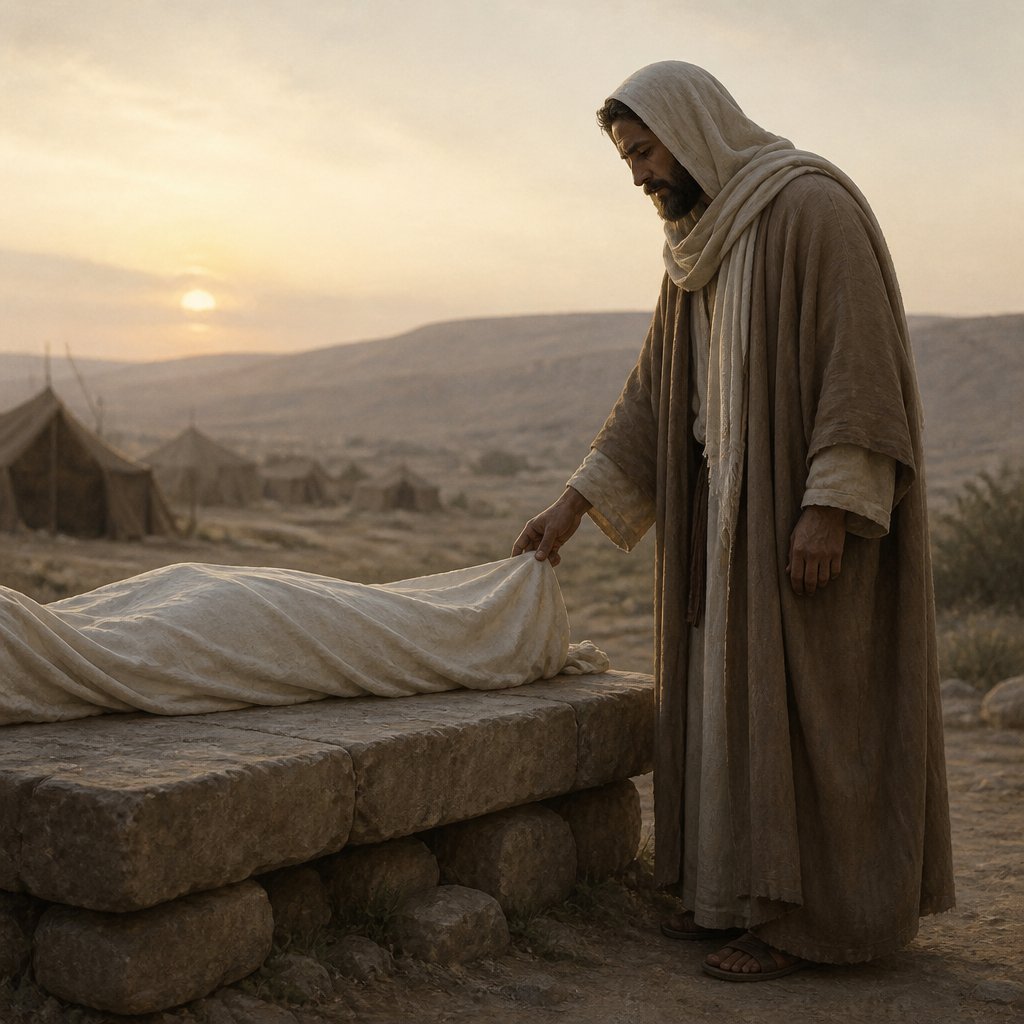
In Numbers 19:11, we find a directive that reads: "He that toucheth the dead body of any man shall be unclean seven days." This verse, nestled within the laws given to Israel, speaks profoundly to the themes of holiness, impurity, and communal responsibility. When we approach this verse, it is beneficial to delve deeper into the context of ritual purity and its implications for the people of God.
Throughout the book of Leviticus and Numbers, the holiness of God is a recurring theme woven into the fabric of Israel's identity. The Israelites were chosen as a holy nation, called to distinguish themselves from the surrounding cultures by adhering to God's laws. The notion of becoming unclean upon touching a dead body highlights the gravity with which life and death are regarded in God's eyes. Death symbolizes the result of sin entering the world, and thus, anything associated with it carries a level of impurity.
The teaching here is not meant to instill fear but to provoke a deeper understanding of God's nature and the seriousness of sin. When someone comes into contact with death, they are to step back and undergo a period of purification. This was not merely a rule, but a profound reminder of the impact of sin and the necessity for holiness that is required from those who approach a holy God. In recognizing the impurity that comes from touching a dead body, the Israelites were symbolically acknowledging that they could not simply waltz into the presence of God carrying the weight of this world's brokenness without first being made clean.
In a spiritual context, we see the parallel in the Christian journey toward sanctification. Just as the Israelites had to reckon with the implications of death and the necessary purification process, we, too, grapple with the remnants of sin in our lives and the need for the blood of Christ to cleanse us. In Hebrews 10:19-22, it is declared that through the death of Jesus, we have gained access to the Most Holy Place. However, it urges believers to draw near to God with a sincere heart and a full assurance of faith, having our hearts sprinkled to cleanse us from a guilty conscience. The essence of these verses converges around the need for purity and intentionality in our walk with God.
Furthermore, the period of seven days also bears significance in scripture. Seven is the number of completion and divine perfection. The seven-day purification process is not just a ritualistic cleansing but a reminder that holiness takes time and deliberate effort. God does not rush through the process of instilling purity in His people. He understands that the journey of sanctification is gradual and requires patience. It serves as a picture of our ongoing transformation—being renewed day after day as we walk in faith and obedience.
Moreover, this stipulation in Numbers also reflects the broader community aspect of Israelites' laws. When one person is rendered unclean, it necessitates a collective response from the community. Just as a bodily illness can spread, so can the repercussions of sin. The practices of maintaining purity become a corporate responsibility as much as an individual one, emphasizing the importance of accountability and support within the community of believers.
In light of Numbers 19:11, we are invited to examine our own lives. Are there areas where we have touched the dead things of this world—relationships, pursuits, or attitudes—which may be causing spiritual decay? Are we taking the necessary steps to be cleansed and restored? Just as the Israelites prepared themselves to enter God’s presence with reverence, we too must not take lightly the call to holiness in our day-to-day lives.
May we embrace this verse as a reminder of our need for God’s cleansing and the beauty of community as we walk together toward holiness.
Get our apps


Artwork for Numbers 19:11

Numbers 19:11 - "¶ He that toucheth the dead body of any man shall be unclean seven days."
"¶ He that toucheth the dead body of any man shall be unclean seven days." - Numbers 19:11
Numbers 11:19 - "Ye shall not eat one day, nor two days, nor five days, neither ten days, nor twenty days;"

Numbers 19:14-19 Touching a dead is unclean

Numbers 11

Numbers 11:17

Numbers 11 quail

Numbers 11:15

Numbers 11:5

Numbers 1:19 - "As the LORD commanded Moses, so he numbered them in the wilderness of Sinai."

Numbers 21:19 - "And from Mattanah to Nahaliel: and from Nahaliel to Bamoth:"

Numbers 33:19 - "And they departed from Rithmah, and pitched at Rimmon-parez."

Numbers 11:16-26
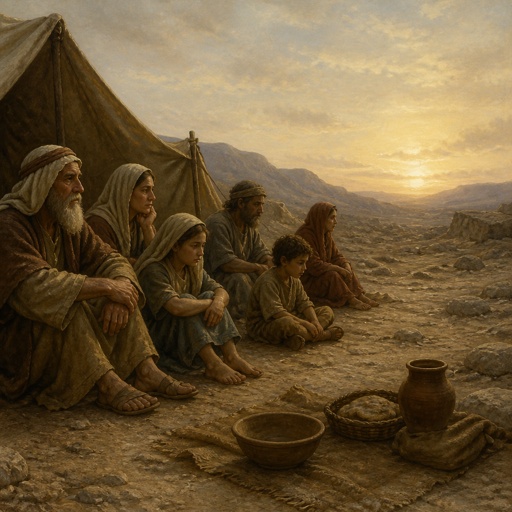
"Ye shall not eat one day, nor two days, nor five days, neither ten days, nor twenty days;" - Numbers 11:19

Ezekiel 28:11-19

Ezekiel 28:11-19

Numbers 3:19 - "And the sons of Kohath by their families; Amram, and Izehar, Hebron, and Uzziel."

Numbers 34:19 - "And the names of the men are these: Of the tribe of Judah, Caleb the son of Jephunneh."

Numbers 19:1 - "And the LORD spake unto Moses and unto Aaron, saying,"

Ezekiel 28:11-19

Ezekiel 28:11-19

Ezekiel 28:11-19

Ezekiel 28:11-19

Numbers 11. 4 to 6

Numbers 2:19 - "And his host, and those that were numbered of them, were forty thousand and five hundred."

Numbers 1:11 - "Of Benjamin; Abidan the son of Gideoni."

Numbers 26:11 - "Notwithstanding the children of Korah died not."

Numbers 10:19 - "And over the host of the tribe of the children of Simeon was Shelumiel the son of Zurishaddai."

Genesis 19-11

Acts 19: 11