Purity in the Presence of Death
“And whosoever toucheth one that is slain with a sword in the open fields, or a dead body, or a bone of a man, or a grave, shall be unclean seven days.” — Numbers 19:16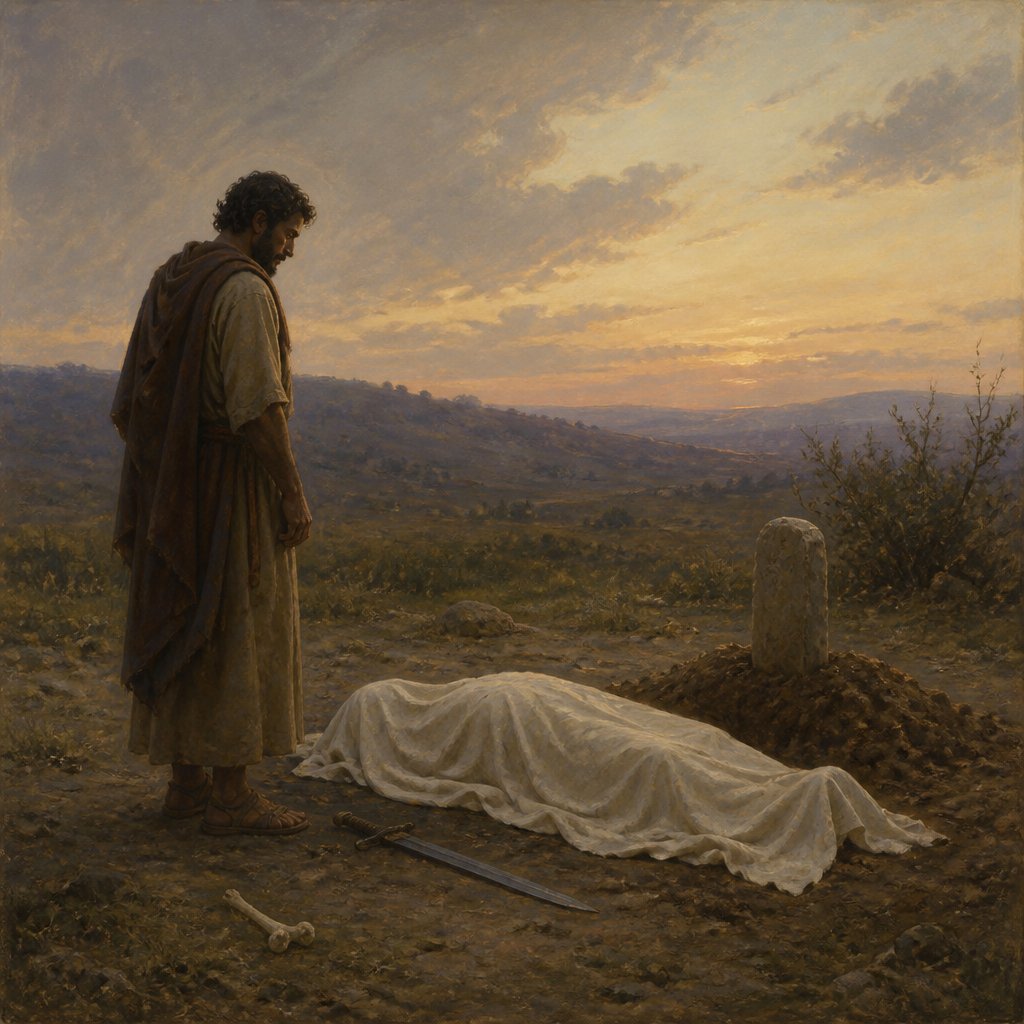
In the book of Numbers, we find numerous laws and commandments given to the Israelites, many of which revolve around issues of ceremonial purity and cleanliness. Numbers 19:16 states, "And whosoever toucheth one that is slain with a sword in the open fields, or a dead body, or a bone of a man, or a grave, shall be unclean seven days." This verse serves not only as a regulation for purity but also provides us with deeper reflections on sin, death, and our relationship with God.
To understand this verse fully, we need to consider the context in which it was given. The Old Testament is filled with laws that establish a clear boundary between what is holy and what is unclean. The Israelites were called to be a set-apart people, devoted to the worship of the One True God. Touching a dead body, especially in the context of violence, was symbolic of touching the consequences of sin. Death, as a result of sin, represented a break in the covenant relationship between man and God.
The number seven is significant throughout Scripture, often representing completion or perfection. Thus, the period of seven days of uncleanness signifies a time of reflection and purification. When a person becomes unclean by touching a dead body or grave, they are reminded of the serious nature of sin and death. God, in His holiness, desires His people to approach Him with reverence and purity, reminding them that sin has consequences.
For the modern believer, this calls us to a heightened awareness of what it means to live in a world that is steeped in moral decay and spiritual death. Just as the Israelite was called to avoid contact with death to remain ceremonially clean, we are challenged to avoid sin and its effects on our spiritual lives.
In the New Testament, we see how this concept of uncleanness is transformed through Christ. Jesus, who was the ultimate sacrifice, came to cleanse us not just from ceremonial uncleanness but from the very power of sin and death. In Mark 5, we come across the story of the woman with the issue of blood, who, in her state of uncleanness, touched the hem of Jesus' garment. Instead of becoming unclean himself, the power of Christ flowed into her, restoring her completely. This incident speaks volumes of how Jesus bridges the gap between our uncleanness and His holiness.
As we reflect on Numbers 19:16, it is essential to recognize that we are also called to be agents of God's cleanliness and love in a world riddled with death and sin. Every day, we encounter situations that can lead us away from God's presence; those circumstances can either taint us or be transformed through our response to them. Like the Israelites, we need periods of separation from deathly influences, yet we also have the hope and cleansing power of Christ's sacrifice.
Furthermore, this verse invites us to consider our own lives and what we are 'touching' daily. How often do we engage with things—thoughts, behaviors, relationships—that could lead us away from God? Are we staying away from spiritual death, or have we become careless about our sanctity? In moments of reflection and prayer, let us ask the Holy Spirit to illuminate the areas in our lives where we have made contact with death.
In conclusion, by understanding and applying the teachings of Numbers 19:16, we can embark on a journey towards a deeper, more profound spiritual purity. We are reminded that as followers of Christ, while we contend with a world of sin, we are also equipped with the blood of the Lamb, which continually cleanses and restores us. Let this assurance free us to walk boldly in faith, sharing His transformative love with a dying world. Let us take heed of the work of Christ and the call to separation from spiritual death, embracing our identity as pure vessels for His glory.
Get our apps


Artwork for Numbers 19:16

Numbers 19:16 - "And whosoever toucheth one that is slain with a sword in the open fields, or a dead body, or a bone of a man, or a grave, shall be unclean seven days."
"And whosoever toucheth one that is slain with a sword in the open fields, or a dead body, or a bone of a man, or a grave, shall be unclean seven days." - Numbers 19:16

Numbers 16:19 - "And Korah gathered all the congregation against them unto the door of the tabernacle of the congregation: and the glory of the LORD appeared unto all the congregation."

Numbers 19:14-19 Touching a dead is unclean

Numbers 16:18
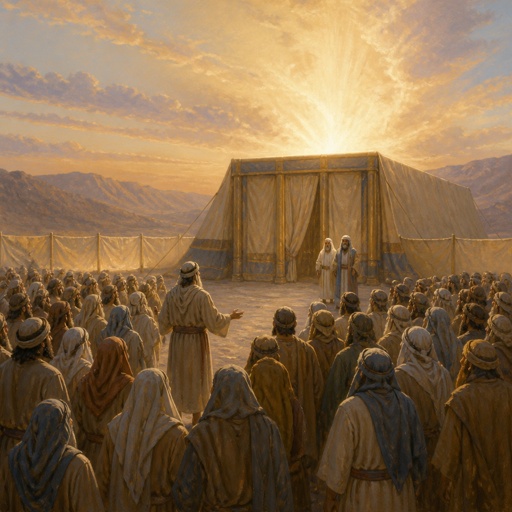
"And Korah gathered all the congregation against them unto the door of the tabernacle of the congregation: and the glory of the LORD appeared unto all the congregation." - Numbers 16:19

Numbers 11:16-26
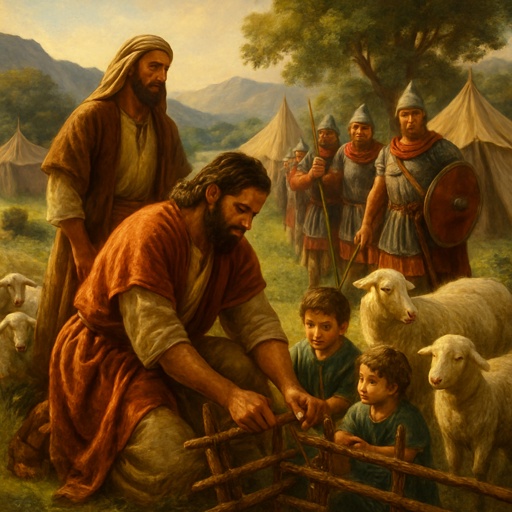
Numbers 32:16-18
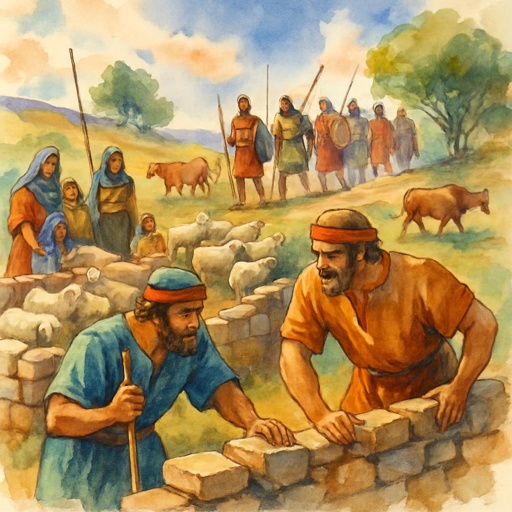
Numbers 32:16-18

Numbers 16:16 - "And Moses said unto Korah, Be thou and all thy company before the LORD, thou, and they, and Aaron, to morrow:"

Numbers 1:19 - "As the LORD commanded Moses, so he numbered them in the wilderness of Sinai."

Numbers 21:19 - "And from Mattanah to Nahaliel: and from Nahaliel to Bamoth:"

Numbers 33:19 - "And they departed from Rithmah, and pitched at Rimmon-parez."

Numbers 25:16 - "¶ And the LORD spake unto Moses, saying,"

Numbers 7:16 - "One kid of the goats for a sin offering:"

Numbers 34:16 - "And the LORD spake unto Moses, saying,"

Numbers 3:16 - "And Moses numbered them according to the word of the LORD, as he was commanded."

Numbers 16:36 - "¶ And the LORD spake unto Moses, saying,"

Numbers 16:23 - "¶ And the LORD spake unto Moses, saying,"

Numbers 16:44 - "¶ And the LORD spake unto Moses, saying,"

Genesis 19-16

Numbers 3:19 - "And the sons of Kohath by their families; Amram, and Izehar, Hebron, and Uzziel."

Numbers 34:19 - "And the names of the men are these: Of the tribe of Judah, Caleb the son of Jephunneh."

Numbers 19:1 - "And the LORD spake unto Moses and unto Aaron, saying,"

Numbers 16:43 - "And Moses and Aaron came before the tabernacle of the congregation."

Numbers 26:16 - "Of Ozni, the family of the Oznites: of Eri, the family of the Erites:"

Numbers 28:16 - "And in the fourteenth day of the first month is the passover of the LORD."

Numbers 2:19 - "And his host, and those that were numbered of them, were forty thousand and five hundred."

Numbers 10:19 - "And over the host of the tribe of the children of Simeon was Shelumiel the son of Zurishaddai."

Numbers 16:20 - "And the LORD spake unto Moses and unto Aaron, saying,"