Purity and Divine Purpose: The Lesson of the Red Heifer
“This is the ordinance of the law which the LORD hath commanded, saying, Speak unto the children of Israel, that they bring thee a red heifer without spot, wherein is no blemish, and upon which never came yoke:” — Numbers 19:2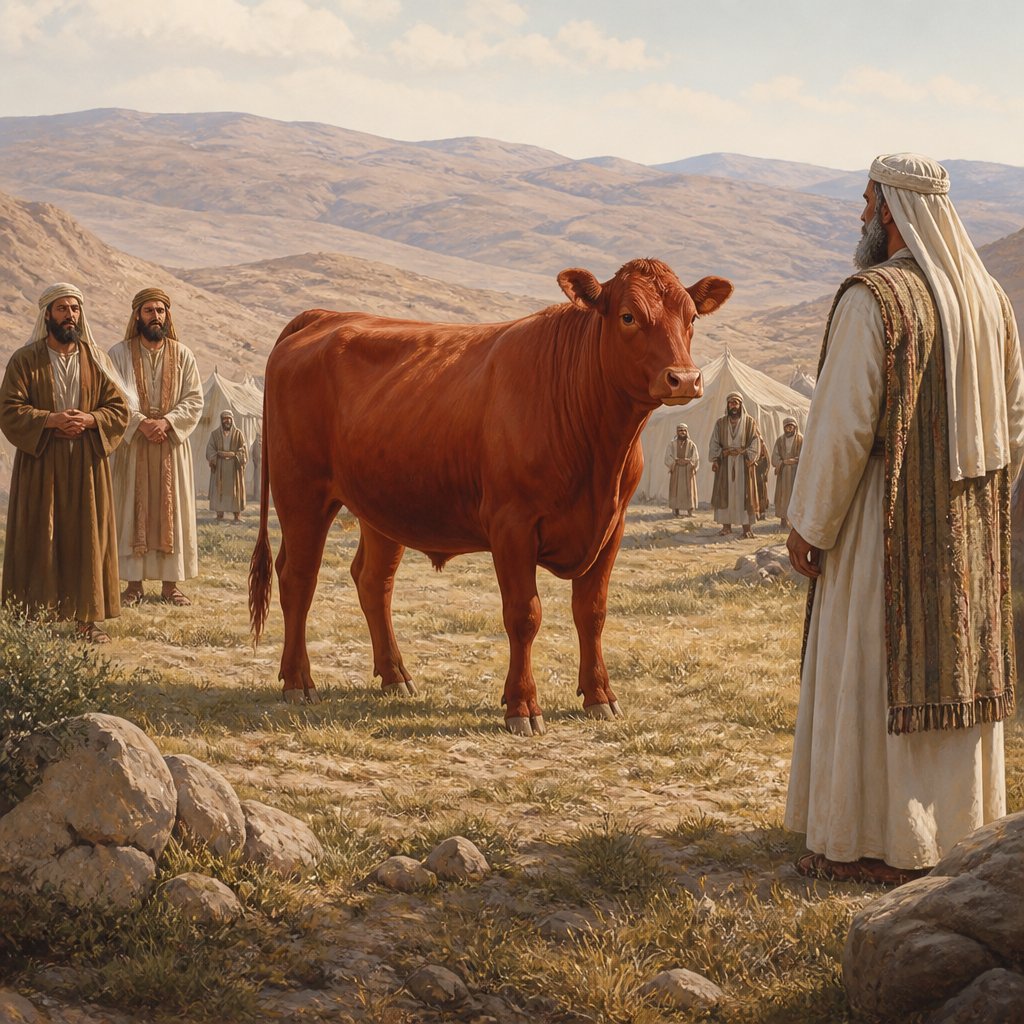
As we turn our hearts and minds to Numbers 19:2, we encounter a command that reflects both the holiness of God and the seriousness with which He regards sin and purification. The verse states: "This is the ordinance of the law which the LORD hath commanded, saying, Speak unto the children of Israel, that they bring thee a red heifer without spot, wherein is no blemish, and upon which never came yoke." Within this ordinance lies a profound significance that transcends the Old Testament ritual, inviting us into a deeper understanding of God's nature and our relationship with Him.
To grasp the importance of the red heifer, we must first understand the context in which this command was given. Chapter 19 of Numbers outlines the process of purification after encountering death, a powerful reminder of the inevitable reality of sinfulness in a fallen world. Death is a consequence of sin, as articulated in Romans 6:23: "For the wages of sin is death; but the gift of God is eternal life through Jesus Christ our Lord." Thus, the red heifer serves as an instrument of purification, cleansing those who were rendered unclean by exposure to death.
The specifications provided for the red heifer — that it be without spot or blemish and that it had never been under a yoke — emphasize the necessity of purity and separation for the holy work of God. In biblical times, a sacrifice had to be perfect, reflecting the holiness of God and representing the unblemished Lamb of God who would take away the sins of the world. The symbolism here cannot be overstated; it foreshadows Jesus Christ, who is described in 1 Peter 1:19 as "a lamb without blemish and without spot." Just as the red heifer was set apart for a specific, sacrificial purpose, so too was Christ destined for the ultimate sacrifice that would bridge the chasm between humanity and God.
The need for a heifer that had never borne a yoke is equally significant, representing a life set apart for the Lord's service. In the spiritual life, it invites us to examine our own burdens and the various yokes we allow to shape our existence. In Matthew 11:28-30, Jesus says, "Come unto me, all ye that labour and are heavy laden, and I will give you rest. Take my yoke upon you, and learn of me; for I am meek and lowly in heart: and ye shall find rest unto your souls." Here, Jesus offers a contrast to the heavy yoke of the law — an invitation to embrace His gentleness and sufficiency.
Furthermore, the commands concerning the red heifer carry a message of obedience. The Lord's commands, even the ones that seem obscure or archaic, underline the importance of submission to His divine order. For the Israelites, bringing a red heifer required them to be in a posture of readiness and obedience. For us today, it serves as a reminder that God still requires our full attention and willingness to follow His leading, even when the path may seem strange.
In practical terms, how does the message of the red heifer apply to us today? First, it compels us to pursue purity in our lives. Our bodies, minds, and hearts should be temples of the Holy Spirit, striving for cleanliness and holiness in thought, word, and deed. Second, it invites us to reflect on the sacrifice of Christ and to acknowledge the profound love that motivated it. Each time we partake in communion, we remember that the sacrifice He made was without blemish, made once for all, cleansing us from all unrighteousness.
Finally, let us heed the call to a life set apart for divine purposes. As we surrender our burdens to Him, we can joyfully partake of His yoke, which is light. The red heifer symbolizes freedom from the burden of sin and invites us into a life of holiness and purpose under God’s grace.
In conclusion, Numbers 19:2 serves as a gateway into understanding God’s holiness and our calling as His people. As we meditate on this ordinance, let us commit to living lives of purity, obedience, and sacrificial love — reflecting the heart of God in a world yearning for His light.
Get our apps


Artwork for Numbers 19:2

Numbers 19:2 - "This is the ordinance of the law which the LORD hath commanded, saying, Speak unto the children of Israel, that they bring thee a red heifer without spot, wherein is no blemish, and upon which never came yoke:"
"This is the ordinance of the law which the LORD hath commanded, saying, Speak unto the children of Israel, that they bring thee a red heifer without spot, wherein is no blemish, and upon which never came yoke:" - Numbers 19:2

Numbers 2:19 - "And his host, and those that were numbered of them, were forty thousand and five hundred."

Numbers 19:14-19 Touching a dead is unclean
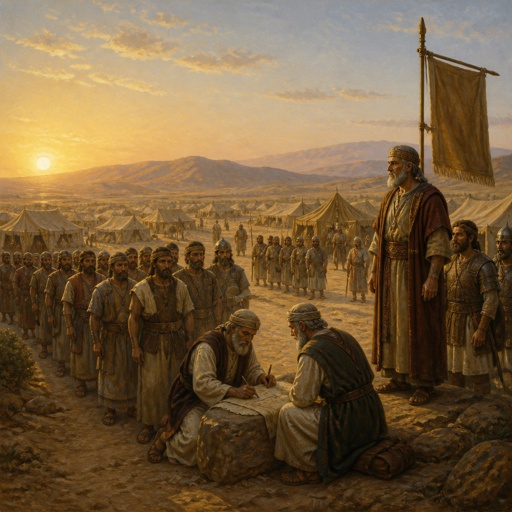
"And his host, and those that were numbered of them, were forty thousand and five hundred." - Numbers 2:19

Numbers 1:19 - "As the LORD commanded Moses, so he numbered them in the wilderness of Sinai."

Numbers 21:19 - "And from Mattanah to Nahaliel: and from Nahaliel to Bamoth:"

Numbers 33:19 - "And they departed from Rithmah, and pitched at Rimmon-parez."

Numbers 3:19 - "And the sons of Kohath by their families; Amram, and Izehar, Hebron, and Uzziel."

Numbers 34:19 - "And the names of the men are these: Of the tribe of Judah, Caleb the son of Jephunneh."

Numbers 19:1 - "And the LORD spake unto Moses and unto Aaron, saying,"

Numbers 10:19 - "And over the host of the tribe of the children of Simeon was Shelumiel the son of Zurishaddai."

Numbers 19:15 - "And every open vessel, which hath no covering bound upon it, is unclean."

Numbers 19:11 - "¶ He that toucheth the dead body of any man shall be unclean seven days."

Numbers 26:19 - "¶ The sons of Judah were Er and Onan: and Er and Onan died in the land of Canaan."

Numbers 19:6 - "And the priest shall take cedar wood, and hyssop, and scarlet, and cast it into the midst of the burning of the heifer."

Numbers 19:22 - "And whatsoever the unclean person toucheth shall be unclean; and the soul that toucheth it shall be unclean until even."

Numbers 27:19 - "And set him before Eleazar the priest, and before all the congregation; and give him a charge in their sight."

Numbers 19:19 - "And the clean person shall sprinkle upon the unclean on the third day, and on the seventh day: and on the seventh day he shall purify himself, and wash his clothes, and bathe himself in water, and shall be clean at even."

Numbers 24:19 - "Out of Jacob shall come he that shall have dominion, and shall destroy him that remaineth of the city."

Numbers 13:19 - "And what the land is that they dwell in, whether it be good or bad; and what cities they be that they dwell in, whether in tents, or in strong holds;"

Numbers 15:19 - "Then it shall be, that, when ye eat of the bread of the land, ye shall offer up an heave offering unto the LORD."

Numbers 9:19 - "And when the cloud tarried long upon the tabernacle many days, then the children of Israel kept the charge of the LORD, and journeyed not."

Numbers 19:14 - "This is the law, when a man dieth in a tent: all that come into the tent, and all that is in the tent, shall be unclean seven days."
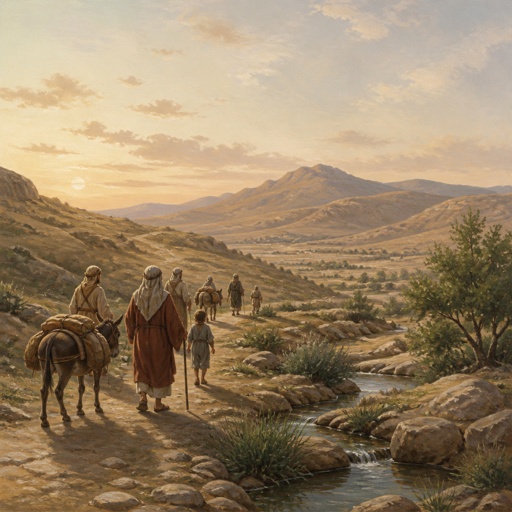
"And from Mattanah to Nahaliel: and from Nahaliel to Bamoth:" - Numbers 21:19

Numbers 35:19 - "The revenger of blood himself shall slay the murderer: when he meeteth him, he shall slay him."

Numbers 29:19 - "And one kid of the goats for a sin offering; beside the continual burnt offering, and the meat offering thereof, and their drink offerings."
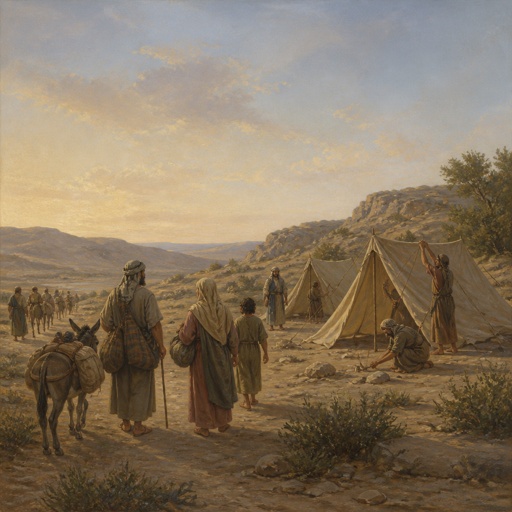
"And they departed from Rithmah, and pitched at Rimmon-parez." - Numbers 33:19

Numbers 19:17 - "And for an unclean person they shall take of the ashes of the burnt heifer of purification for sin, and running water shall be put thereto in a vessel:"

Numbers 32:19 - "For we will not inherit with them on yonder side Jordan, or forward; because our inheritance is fallen to us on this side Jordan eastward."