Purity Through Separation: Embracing God's Call to Holiness
“And it shall be a perpetual statute unto them, that he that sprinkleth the water of separation shall wash his clothes; and he that toucheth the water of separation shall be unclean until even.” — Numbers 19:21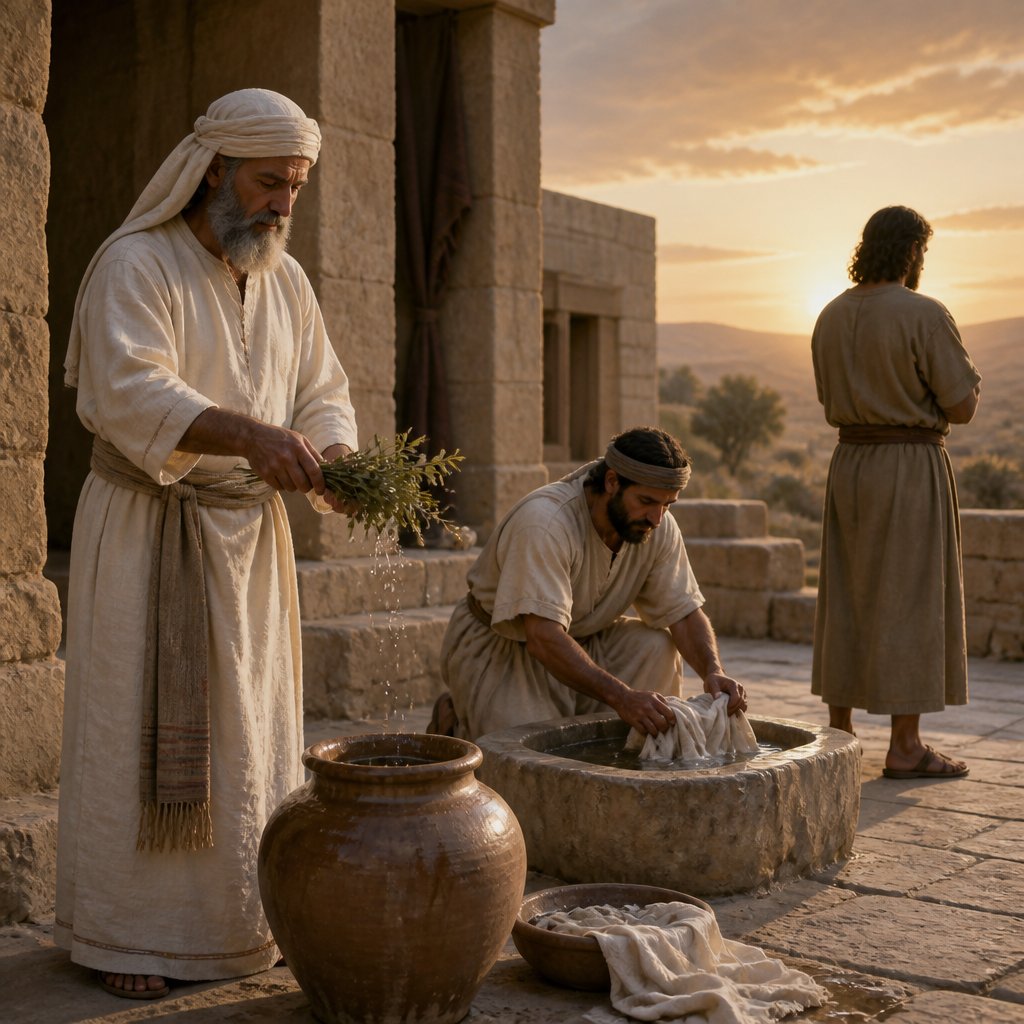
Numbers 19:21 (KJV) states, "And it shall be a perpetual statute unto them, that he that sprinkleth the water of separation shall wash his clothes; and he that toucheth the water of separation shall be unclean until even." At first glance, this verse might seem obscure or unrelated to our daily lives in the modern world. However, when we delve deeper into its significance, we can uncover profound truths about holiness, separation, and the ongoing work of Christ in our lives.
To understand this verse, we must first consider the context of the Israelites and the significance of the ritual water of separation. In the Old Testament, particularly in the law given through Moses, there were certain designated acts or items that represented both physical and spiritual purity. The water of separation was a mixture containing the ashes of a red heifer, used for purification purposes. It symbolized cleansing from the contamination of death and sin, restoring a person’s right standing before God.
The directive that one who sprinkled this water must wash their clothes and that anyone who touches this water is deemed unclean until evening reveals a vital principle: God desires His people to be set apart, washed clean, and to maintain a distinction between the sacred and the profane. In a world that often blurs these lines, this statute provides a timeless lesson on the importance of holiness in our walk with God.
From a New Testament perspective, the water of separation symbolizes the cleansing power of Jesus Christ. Just as the Israelites had to engage in physical acts to maintain ceremonial purity, we too must engage in our spiritual practices to uphold holiness in our lives. The requirement to wash clothes is akin to the call for us to shed our old self and put on the new creation that we are in Christ. 2 Corinthians 5:17 tells us, "Therefore, if any man be in Christ, he is a new creature: old things are passed away; behold, all things are become new." This transcendent renewal requires active participation on our part as we seek to live in a way that honors God.
Furthermore, the concept of being unclean until evening serves as a metaphor for the prolonged impact of sin and impurity in our lives. Just as physical contamination could extend one's state of ceremonial uncleanliness, sin also complicates our relationship with God, creating a barrier that does not simply dissipate without intentional effort. It is critical for us to recognize the areas of our lives where sin may linger and to take steps to confess and forsake them. 1 John 1:9 reassures us, "If we confess our sins, he is faithful and just to forgive us our sins, and to cleanse us from all unrighteousness." This promise is a beacon of hope, reminding us that God’s grace calls us to return to His fullness.
Moreover, Numbers 19:21 invites us to consider the community aspect of holiness. The careful delineation between the clean and the unclean was not merely an individual matter; it affected the entire community of Israel. Likewise, our choices, both good and bad, resonate within our communities today. The call to maintain purity extends beyond personal accountability; it is a community endeavor. Christians are called to hold each other accountable, encouraging one another towards holiness (Hebrews 10:24-25).
So, how do we apply the message of this verse to our lives today? It starts by acknowledging that, as followers of Christ, we are called to a higher standard—a perpetual statute of holiness. This requires conscious efforts to engage in spiritual disciplines such as prayer, studying Scripture, and fostering relationships with fellow believers. It demands a daily commitment to reflect Christ in our thoughts, actions, and interactions with others.
In conclusion, Numbers 19:21 serves as a potent reminder of the holiness to which we are called as children of God. As we navigate our lives amidst the complexities of modernity, let us commit to understanding the weight of this calling. Let us embrace the transformative power of Christ that cleanses us, empowers us, and shapes us into vessels for His glory.
Get our apps


Artwork for Numbers 19:21
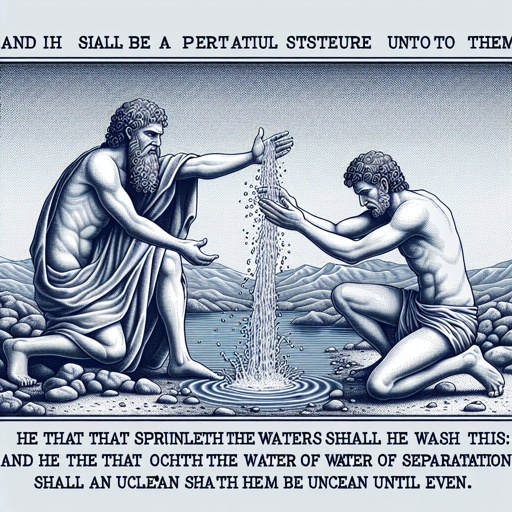
Numbers 19:21 - "And it shall be a perpetual statute unto them, that he that sprinkleth the water of separation shall wash his clothes; and he that toucheth the water of separation shall be unclean until even."
"And it shall be a perpetual statute unto them, that he that sprinkleth the water of separation shall wash his clothes; and he that toucheth the water of separation shall be unclean until even." - Numbers 19:21

Numbers 21:19 - "And from Mattanah to Nahaliel: and from Nahaliel to Bamoth:"
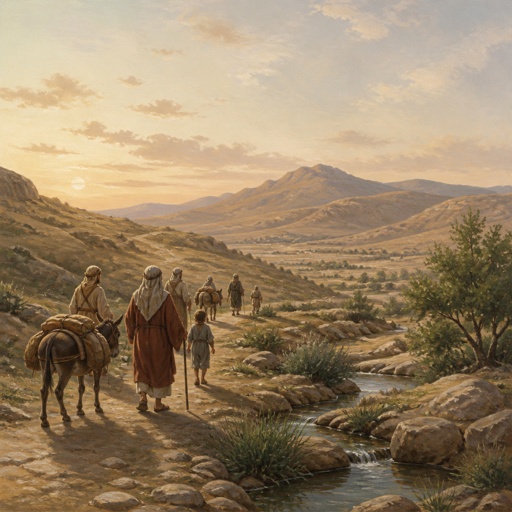
"And from Mattanah to Nahaliel: and from Nahaliel to Bamoth:" - Numbers 21:19

Revelation 19:19-21

Revelation 19:19-21

Revelation 19:19-21

Picture representing Numbers 21:21-35

Numbers 21:21 - "¶ And Israel sent messengers unto Sihon king of the Amorites, saying,"

Numbers 19:14-19 Touching a dead is unclean

Moses serpent numbers 21

Numbers 33:21 - "And they removed from Libnah, and pitched at Rissah."

Numbers 4:21 - "¶ And the LORD spake unto Moses, saying,"
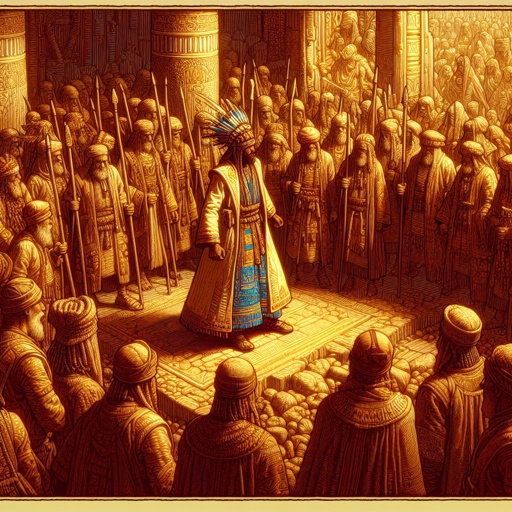
Numbers 34:21 - "Of the tribe of Benjamin, Elidad the son of Chislon."

Numbers 21:31 - "¶ Thus Israel dwelt in the land of the Amorites."

Genesis 21-19

Genesis 19-21

Picture of Numbers 21:1-3

Moses fiery serpent numbers 21

Numbers 21:10 - "¶ And the children of Israel set forward, and pitched in Oboth."

Numbers 21:12 - "¶ From thence they removed, and pitched in the valley of Zared."

luke 21:5-19

Philippians 1:19-21

Numbers 1:19 - "As the LORD commanded Moses, so he numbered them in the wilderness of Sinai."

Numbers 33:19 - "And they departed from Rithmah, and pitched at Rimmon-parez."

Leviticus 21:19 - "Or a man that is brokenfooted, or brokenhanded,"

Numbers 3:21 - "Of Gershon was the family of the Libnites, and the family of the Shimites: these are the families of the Gershonites."

Philippians 1:19-21

Philippians 1:19-21

John 21:15-19