The Purification Path: Embracing Cleanliness in Spirit and Community
“And a man that is clean shall gather up the ashes of the heifer, and lay them up without the camp in a clean place, and it shall be kept for the congregation of the children of Israel for a water of separation: it is a purification for sin.” — Numbers 19:9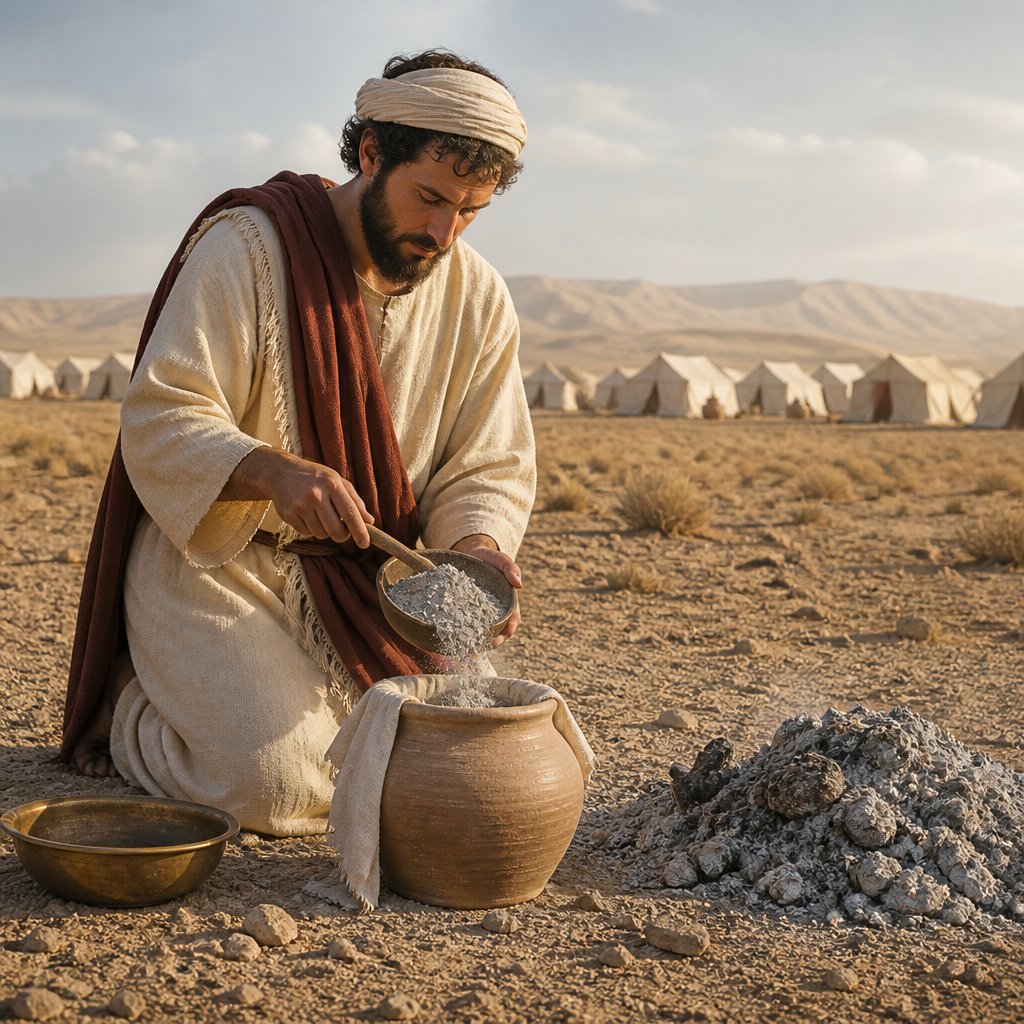
As we contemplate the powerful message conveyed in Numbers 19:9, we are invited to delve deeper into the intricate relationship between physical cleanliness, spiritual purity, and community responsibility. The verse reads: "And a man that is clean shall gather up the ashes of the heifer, and lay them up without the camp in a clean place, and it shall be kept for the congregation of the children of Israel for a water of separation: it is a purification for sin."
This passage is part of the laws given to the Israelites concerning purification after encountering death, a haunting symbol of sin and impurity. The ashes of the red heifer were significant because they embodied a complex process of atonement and sanctification. In these verses, cleanliness is not merely about hygiene; it touches upon the essence of our spiritual state and our relationship with God and one another.
The phrase "a man that is clean shall gather up the ashes" captures the importance of individual responsibility. God chose someone who was ceremonially clean, symbolic of their purity of heart and mind, to perform this task. There is a poignant reminder here that what we do—especially concerning communal purification—reflects upon our inner state. Are we clean in our thoughts, intentions, and interactions with those around us? Being "clean" is often a reflection of our dedication to living a life that honors God’s commands and fosters community integrity.
Moreover, the act of gathering the ashes of the heifer and laying them in a clean place mirrors how we should treat our sins and transgressions. The ashes, serving as a reminder of sacrifice and atonement, are stored outside the camp — separated from the people. In our spiritual walk, it is essential to recognize, confront, and manage our sins and the weight they carry. Just as the ashes need to be kept apart from the community to prevent contamination, we too must take time to reflect on our sins and separate ourselves from them through repentance and forgiveness.
The ashes symbolize cleansing and renewal. For the Israelites, these ashes were not merely refuse; they were the remnants of an offering, a powerful testament of the sacrifices made in seeking atonement. The process of purification described in this chapter was a reminder of the greater reality—that sin leads to death, and yet, through sacrifice, we can be purified. This is a foreshadowing of the ultimate sacrifice of Jesus Christ, who took upon Himself all of our stains and blemishes.
Looking closely at the phrase "water of separation" allows us to explore how the act of purification fuels reconciliation within the community. Water, in biblical tradition, often symbolizes life, cleansing, and the Holy Spirit. We see here the intention behind this purification rite: to restore fellowship among the children of Israel. It serves as a call for us to address our sins collectively, to confront the issues that may cause pockets of separation within our communities. When we allow sin to linger, whether in personal or communal contexts, we risk the integrity and unity of our relationships.
In a modern context, how can we apply the lessons from Numbers 19:9? It calls us to maintain personal purity, to engage in honest self-examination, and to prioritize community well-being. As we navigate our daily lives, let us cultivate a heart that desires not only personal holiness but also seeks to engage in practices that foster communal harmony.
As we approach God in prayer today, let’s ask Him for the strength to live clean lives, to be vessels of His peace and purity. May we be faithful stewards of our actions and attitudes as we serve one another in love and truth, looking always to the example of Christ, the ultimate source of our purification.
Get our apps


Artwork for Numbers 19:9

Numbers 19:9 - "And a man that is clean shall gather up the ashes of the heifer, and lay them up without the camp in a clean place, and it shall be kept for the congregation of the children of Israel for a water of separation: it is a purification for sin."
"And a man that is clean shall gather up the ashes of the heifer, and lay them up without the camp in a clean place, and it shall be kept for the congregation of the children of Israel for a water of separation: it is a purification for sin." - Numbers 19:9

Numbers 9:19 - "And when the cloud tarried long upon the tabernacle many days, then the children of Israel kept the charge of the LORD, and journeyed not."

Numbers 19:14-19 Touching a dead is unclean
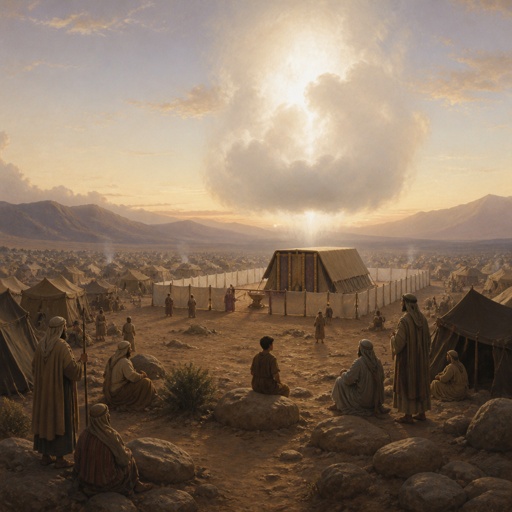
"And when the cloud tarried long upon the tabernacle many days, then the children of Israel kept the charge of the LORD, and journeyed not." - Numbers 9:19

Numbers 9:9 - "¶ And the LORD spake unto Moses, saying,"

Numbers 1:19 - "As the LORD commanded Moses, so he numbered them in the wilderness of Sinai."

Numbers 21:19 - "And from Mattanah to Nahaliel: and from Nahaliel to Bamoth:"

Numbers 33:19 - "And they departed from Rithmah, and pitched at Rimmon-parez."

Numbers 3:19 - "And the sons of Kohath by their families; Amram, and Izehar, Hebron, and Uzziel."

Numbers 34:19 - "And the names of the men are these: Of the tribe of Judah, Caleb the son of Jephunneh."

Numbers 19:1 - "And the LORD spake unto Moses and unto Aaron, saying,"

Numbers 7:1-9

Numbers 2:19 - "And his host, and those that were numbered of them, were forty thousand and five hundred."

Numbers 10:19 - "And over the host of the tribe of the children of Simeon was Shelumiel the son of Zurishaddai."

Numbers 1:9 - "Of Zebulun; Eliab the son of Helon."

"¶ And the LORD spake unto Moses, saying," - Numbers 9:9

Numbers 35:9 - "¶ And the LORD spake unto Moses, saying,"

Genesis 19-9

Numbers 19:15 - "And every open vessel, which hath no covering bound upon it, is unclean."

Numbers 13:9 - "Of the tribe of Benjamin, Palti the son of Raphu."

Numbers 19:11 - "¶ He that toucheth the dead body of any man shall be unclean seven days."

Numbers 26:19 - "¶ The sons of Judah were Er and Onan: and Er and Onan died in the land of Canaan."

Numbers 12:9 - "And the anger of the LORD was kindled against them; and he departed."

Numbers 25:9 - "And those that died in the plague were twenty and four thousand."

Numbers 19:6 - "And the priest shall take cedar wood, and hyssop, and scarlet, and cast it into the midst of the burning of the heifer."

Numbers 9:16 - "So it was alway: the cloud covered it by day, and the appearance of fire by night."

Numbers 22:9 - "And God came unto Balaam, and said, What men are these with thee?"

Numbers 19:22 - "And whatsoever the unclean person toucheth shall be unclean; and the soul that toucheth it shall be unclean until even."

Numbers 27:19 - "And set him before Eleazar the priest, and before all the congregation; and give him a charge in their sight."