The Altar of Intentional Worship
“And Balaam said unto Balak, Build me here seven altars, and prepare me here seven oxen and seven rams.” — Numbers 23:1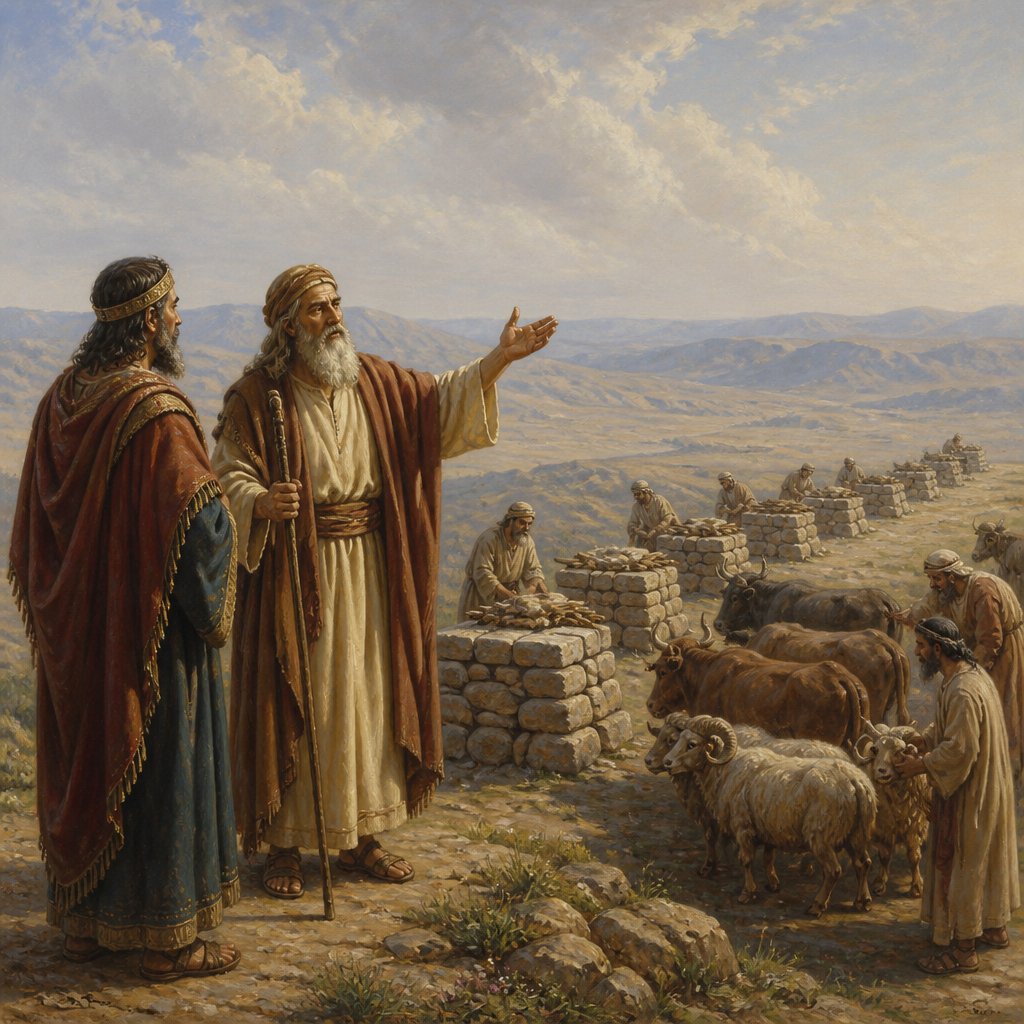
In Numbers 23:1, we read, "And Balaam said unto Balak, Build me here seven altars, and prepare me here seven oxen and seven rams." This verse presents a significant moment in the biblical narrative, revealing much about the nature of worship, intent, and the heart of the worshiper. As we delve into the context of this verse, we will explore the deeper meanings and implications of building altars and offering sacrifices before God.
Balaam, a prophet, was summoned by Balak, the king of Moab, to curse the people of Israel. Balak feared the Israelites, who seemed unstoppable in their journey to the Promised Land. He sought help not through recognizing and surrendering to the God of Israel but through attempting to manipulate the spiritual realm. It is critical to understand that although Balaam was not a follower of God in the truest sense, he recognized the power of offerings and the necessity of an altar for invoking divine favor or influence.
In ancient times, altars were more than just physical structures; they represented a place of encounter between humanity and the divine. In instructing Balak to build seven altars, Balaam was not merely suggesting a casual act of worship; he was emphasizing intentionality—a one-time act would no longer suffice. Seven in biblical numerology often symbolizes completeness or perfection. Therefore, the act of building seven altars signifies a complete dedication to the task ahead, whether right or wrong. Balaam was preparing for an encounter that was to bring about a divine response.
As modern Christians, we must ask ourselves: What do our altars look like? When we come before God, do we come with intentionality and reverence? Balaam's approach, while flawed, illustrates a foundational principle in worship: the need for preparation. Are our hearts prepared when we approach God in prayer and worship? Just as Balaam requested the preparation of oxen and rams, we too should come to God with the best we have to offer.
The requests for seven oxen and seven rams are also significant. In biblical law, these animals were sacrificial, representing the cost of sin. As Balaam was preparing to offer them to invoke a curse against Israel, he echoed a vital theme throughout Scripture—there is a price for our choices, and sacrifices must reflect the seriousness of our intentions. This brings us to examine our own sacrifices. Are they costly? In our busy lives, how often do we hold back parts of ourselves in worship, giving God only the leftovers? True worship involves sacrifice, and it calls us to lay down our desires, our distractions, and sometimes even our fears before the Lord.
Furthermore, it’s important to note that although Balaam intended these sacrifices for cursing, God had other plans. In the following verses, we see how God’s will ultimately prevails over human intentions. This leads us to reflect on God's sovereignty and grace. Even when we find ourselves in flawed intentions—like Balaam—we can trust that God can redeem our worship, turning it towards His purposes.
The essence of Balaam's interactions can teach us that worship is not merely about the act itself but about the heart behind it. God desires hearts that seek Him genuinely, not merely to amplify a destructive agenda. Let us then examine our motivations as we approach God. Are we seeking His approval for our plans, or are we submitting our lives to His greater purpose?
In conclusion, as we strive to build our own altars—those places of worship and sacrifice in our lives—may we do so with intentionality and purity of heart. Let us prepare our offerings diligently, remembering that worship is an encounter with a holy God who desires our best. May we be a people who recognize the power of our worship and its intent to glorify Him above all. Amen.
Get our apps


Artwork for Numbers 23:1

Numbers 23:1-13

Numbers 23:1 - "And Balaam said unto Balak, Build me here seven altars, and prepare me here seven oxen and seven rams."
"And Balaam said unto Balak, Build me here seven altars, and prepare me here seven oxen and seven rams." - Numbers 23:1

Numbers 23:30

Numbers 1:23 - "Those that were numbered of them, even of the tribe of Simeon, were fifty and nine thousand and three hundred."

1 Chronicles 12:23 - "¶ And these are the numbers of the bands that were ready armed to the war, and came to David to Hebron, to turn the kingdom of Saul to him, according to the word of the LORD."

Numbers 8:23 - "¶ And the LORD spake unto Moses, saying,"

Numbers 16:23 - "¶ And the LORD spake unto Moses, saying,"
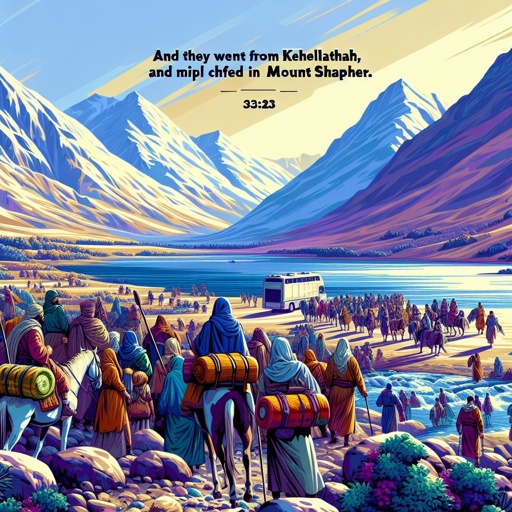
Numbers 33:23 - "And they went from Kehelathah, and pitched in mount Shapher."

Numbers 3:23 - "The families of the Gershonites shall pitch behind the tabernacle westward."
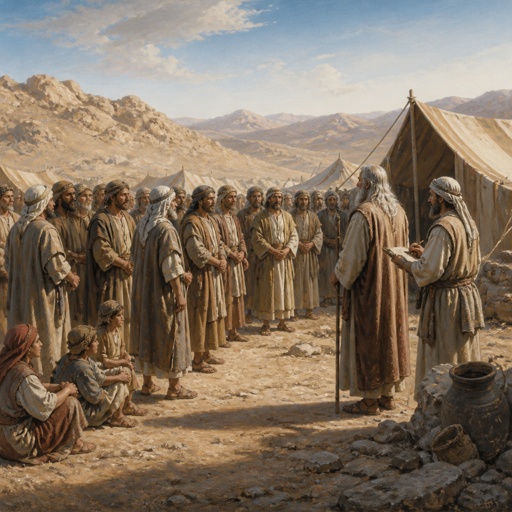
"Those that were numbered of them, even of the tribe of Simeon, were fifty and nine thousand and three hundred." - Numbers 1:23

Balaam bless Israel twice in numbers 23

Numbers 23:23 - "Surely there is no enchantment against Jacob, neither is there any divination against Israel: according to this time it shall be said of Jacob and of Israel, What hath God wrought!"

Numbers 10:23 - "And over the host of the tribe of the children of Manasseh was Gamaliel the son of Pedahzur."

Numbers 2:23 - "And his host, and those that were numbered of them, were thirty and five thousand and four hundred."

Numbers 23:28 - "And Balak brought Balaam unto the top of Peor, that looketh toward Jeshimon."
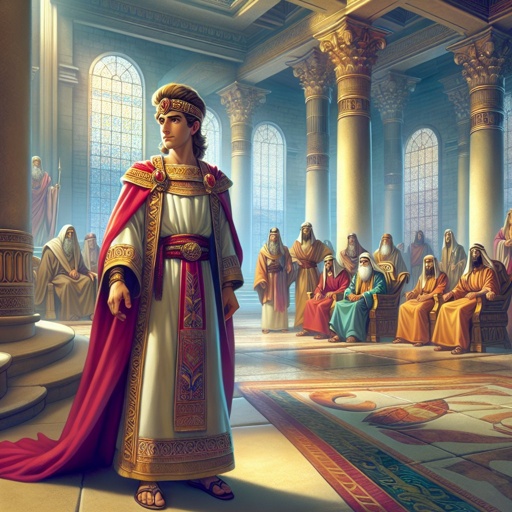
Numbers 34:23 - "The prince of the children of Joseph, for the tribe of the children of Manasseh, Hanniel the son of Ephod."
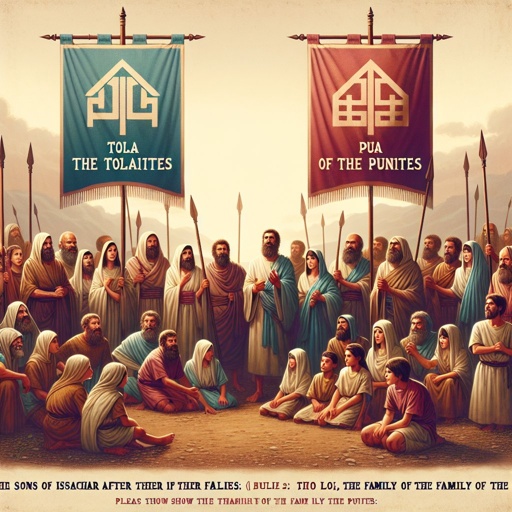
Numbers 26:23 - "¶ Of the sons of Issachar after their families: of Tola, the family of the Tolaites: of Pua, the family of the Punites:"

Numbers 23:30 - "And Balak did as Balaam had said, and offered a bullock and a ram on every altar."

Numbers 23:22 - "God brought them out of Egypt; he hath as it were the strength of an unicorn."

Numbers 28:23 - "Ye shall offer these beside the burnt offering in the morning, which is for a continual burnt offering."

Numbers 20:23 - "And the LORD spake unto Moses and Aaron in mount Hor, by the coast of the land of Edom, saying,"

Numbers 23:25 - "¶ And Balak said unto Balaam, Neither curse them at all, nor bless them at all."

Numbers 23:2 - "And Balak did as Balaam had spoken; and Balak and Balaam offered on every altar a bullock and a ram."

Numbers 29:23 - "¶ And on the fourth day ten bullocks, two rams, and fourteen lambs of the first year without blemish:"

Numbers 5:23 - "And the priest shall write these curses in a book, and he shall blot them out with the bitter water:"

Numbers 23:20 - "Behold, I have received commandment to bless: and he hath blessed; and I cannot reverse it."
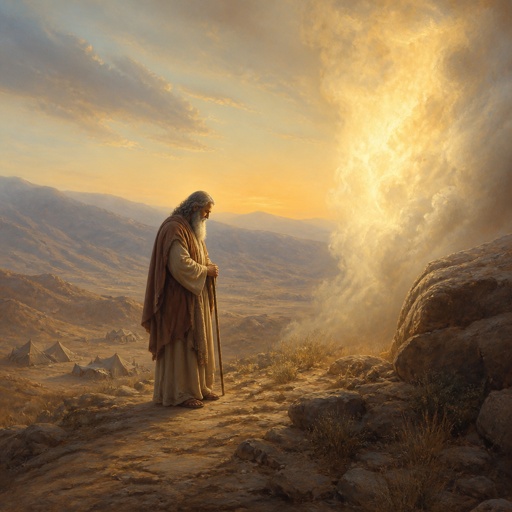
"¶ And the LORD spake unto Moses, saying," - Numbers 16:23

"¶ And the LORD spake unto Moses, saying," - Numbers 8:23

Numbers 27:23 - "And he laid his hands upon him, and gave him a charge, as the LORD commanded by the hand of Moses."