The Blessing of God Over Curses
“And he took up his parable, and said, Balak the king of Moab hath brought me from Aram, out of the mountains of the east, saying, Come, curse me Jacob, and come, defy Israel.” — Numbers 23:7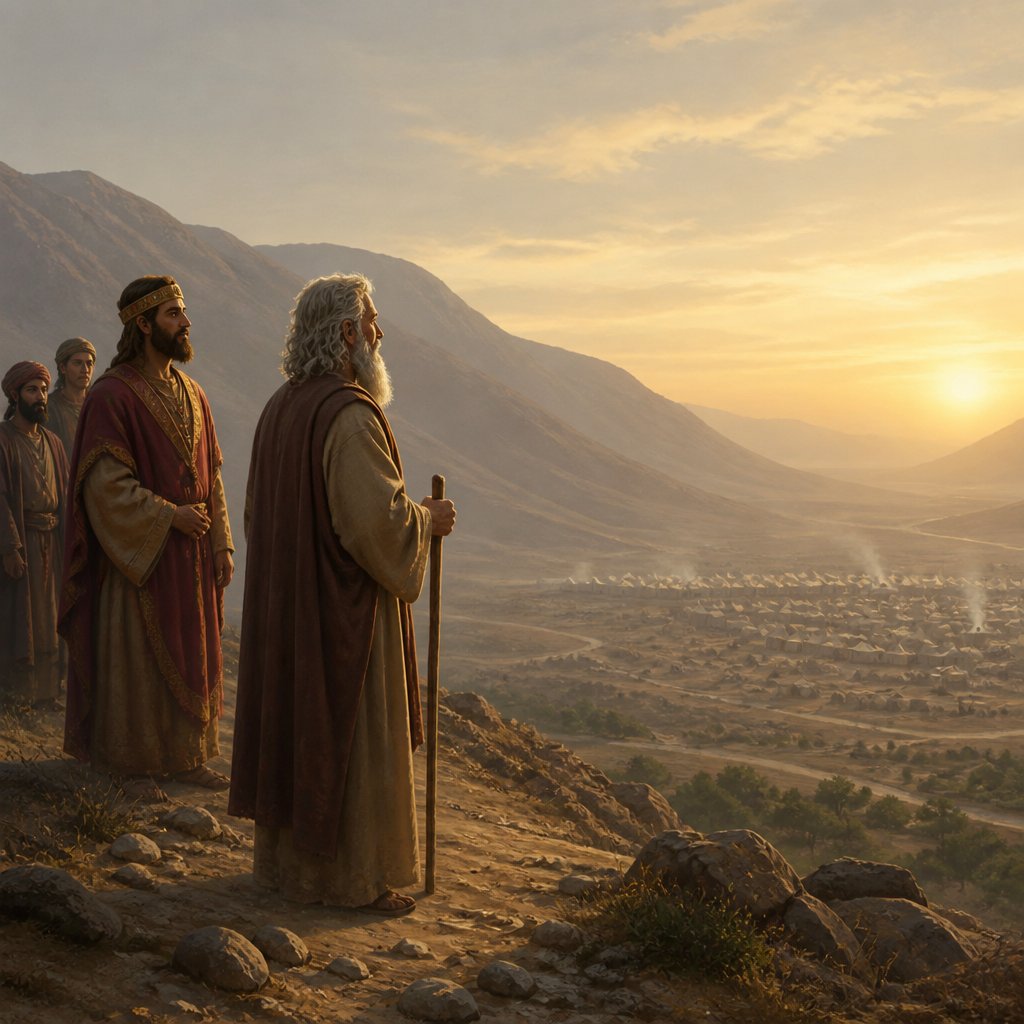
In the book of Numbers, we encounter a fascinating character: Balaam, a diviner summoned by Balak, king of Moab, to curse the Israelites. The verse under our consideration, Numbers 23:7 (KJV), states: "And he took up his parable, and said, Balak the king of Moab hath brought me from Aram, out of the mountains of the east, saying, Come, curse me Jacob, and come, defy Israel." This moment in scripture is rich with theological implications and reveals the deep truth about God’s unwavering commitment to His people.
At this point in Israel's narrative, they find themselves encamped in the plains of Moab, poised on the brink of entering the Promised Land. However, the king of Moab is struck with fear as he observes the vast numbers and the astonishing victories of the Israelites. Seeing a threat to his kingdom, Balak seeks out Balaam to invoke supernatural curses against Israel, hoping to weaken them spiritually and militarily.
Understanding this context is crucial; Balak represents the world's opposition to God's plans, while Balaam symbolizes the human inclination to compromise and turn away from God’s will for personal gain. Yet, in this powerful verse, we learn that despite Balak’s intentions, God has a much grander narrative at play. Balaam’s declaration is not a mere coincidence; it signifies a transformational moment. God is about to demonstrate that He keeps His covenant with His people, and His promises cannot be undone by human efforts or curses.
In our lives, we often encounter situations where it feels as though others may wish us harm, or the forces of negativity and despair seem to loom large over us. Like the Israelites, we might feel surrounded by adversaries shouting curses and defaming our existence. But Balaam’s narrative teaches us that what humans intend for evil, God can and will use for good.
Upon hearing Balak’s demand to curse Israel, Balaam inevitably finds himself in a position of moral and spiritual contemplation. He knows that cursing Jacob and defying Israel is not possible without incurring the wrath of the Almighty God. Balaam asserts that he cannot speak on his own, proclaiming that he can only say what God places in his mouth (Numbers 23:8). This highlights the sovereignty of God; He determines the outcome of our lives, irrespective of human attempts to thwart His plans.
This scripture illuminates several truths for our daily lives. First, we learn the importance of aligning ourselves with God's voice. Balaam understood that cursing God's people would bring dire consequences. We are also reminded that those who stand in opposition to God’s plans face an uphill battle. It may seem that curses and negativity are overwhelming, but God stands as our defender and protector.
Second, we gain insight into the transformative power of choice. Balaam had the choice to follow Balak and curse the Israelites for riches and reward. However, his ultimate decision shaped the course of his life. Every day, we face choices that could lead us closer to God or pull us away. May we choose wisely, trusting that God’s voice is the ultimate truth that prevails.
Finally, we are encouraged to remember that, like the Israelites, God’s covenant with His people remains unbroken. Even if we encounter trials, scorn, or curses from others, our identity as God’s chosen people renders us secure. Numbers 23:7 is not merely a historical account; it is a confirmation that God’s blessings for His followers overwhelm any human ill-intent. As we go throughout our lives, let us hold firm to the truth that no weapon formed against us shall prosper (Isaiah 54:17).
In conclusion, as we meditate on Numbers 23:7, let’s rejoice in the protective and unwavering love of God who reaffirms our identity, trusts in His plans, and relishes the assurance that His blessings will always prevail over any curse. Let us be reminded that in God's magnificent design, He is not bound by the perspectives and limitations of humankind.
Get our apps


Artwork for Numbers 23:7

Numbers 23:7 - "And he took up his parable, and said, Balak the king of Moab hath brought me from Aram, out of the mountains of the east, saying, Come, curse me Jacob, and come, defy Israel."
"And he took up his parable, and said, Balak the king of Moab hath brought me from Aram, out of the mountains of the east, saying, Come, curse me Jacob, and come, defy Israel." - Numbers 23:7

Numbers 7:23 - "And for a sacrifice of peace offerings, two oxen, five rams, five he goats, five lambs of the first year: this was the offering of Nethaneel the son of Zuar."

Numbers 23:30
"The children of Bezai, three hundred twenty and four." - Nehemiah 7:23

Numbers 23:1-13

Numbers 8:23 - "¶ And the LORD spake unto Moses, saying,"

Numbers 16:23 - "¶ And the LORD spake unto Moses, saying,"
Numbers 33:23 - "And they went from Kehelathah, and pitched in mount Shapher."

Numbers 3:23 - "The families of the Gershonites shall pitch behind the tabernacle westward."

Balaam bless Israel twice in numbers 23

Numbers 29:7

Numbers 4:7

Numbers 23:23 - "Surely there is no enchantment against Jacob, neither is there any divination against Israel: according to this time it shall be said of Jacob and of Israel, What hath God wrought!"

Numbers 10:23 - "And over the host of the tribe of the children of Manasseh was Gamaliel the son of Pedahzur."

Numbers 23:28 - "And Balak brought Balaam unto the top of Peor, that looketh toward Jeshimon."

Numbers 2:23 - "And his host, and those that were numbered of them, were thirty and five thousand and four hundred."

Numbers 34:23 - "The prince of the children of Joseph, for the tribe of the children of Manasseh, Hanniel the son of Ephod."
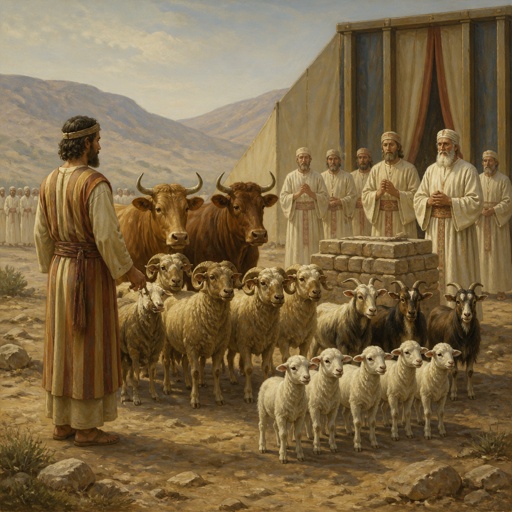
"And for a sacrifice of peace offerings, two oxen, five rams, five he goats, five lambs of the first year: this was the offering of Nethaneel the son of Zuar." - Numbers 7:23

Numbers 1:23 - "Those that were numbered of them, even of the tribe of Simeon, were fifty and nine thousand and three hundred."
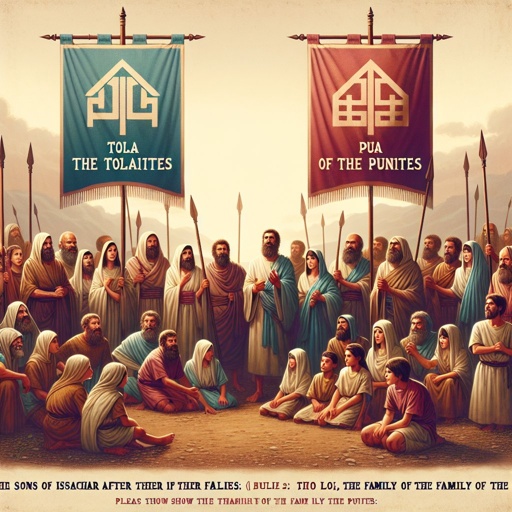
Numbers 26:23 - "¶ Of the sons of Issachar after their families: of Tola, the family of the Tolaites: of Pua, the family of the Punites:"

Numbers 23:30 - "And Balak did as Balaam had said, and offered a bullock and a ram on every altar."

Numbers 23:22 - "God brought them out of Egypt; he hath as it were the strength of an unicorn."

Numbers 7:1-9

matthew 7:23

Genesis 23-7

Numbers 7:7 - "Two wagons and four oxen he gave unto the sons of Gershon, according to their service:"

Numbers 4:7-8

Numbers 1:7 - "Of Judah; Nahshon the son of Amminadab."

Numbers 28:23 - "Ye shall offer these beside the burnt offering in the morning, which is for a continual burnt offering."