What does Numbers 23:7 mean?
“And he took up his parable, and said, Balak the king of Moab hath brought me from Aram, out of the mountains of the east, saying, Come, curse me Jacob, and come, defy Israel.” — Numbers 23:7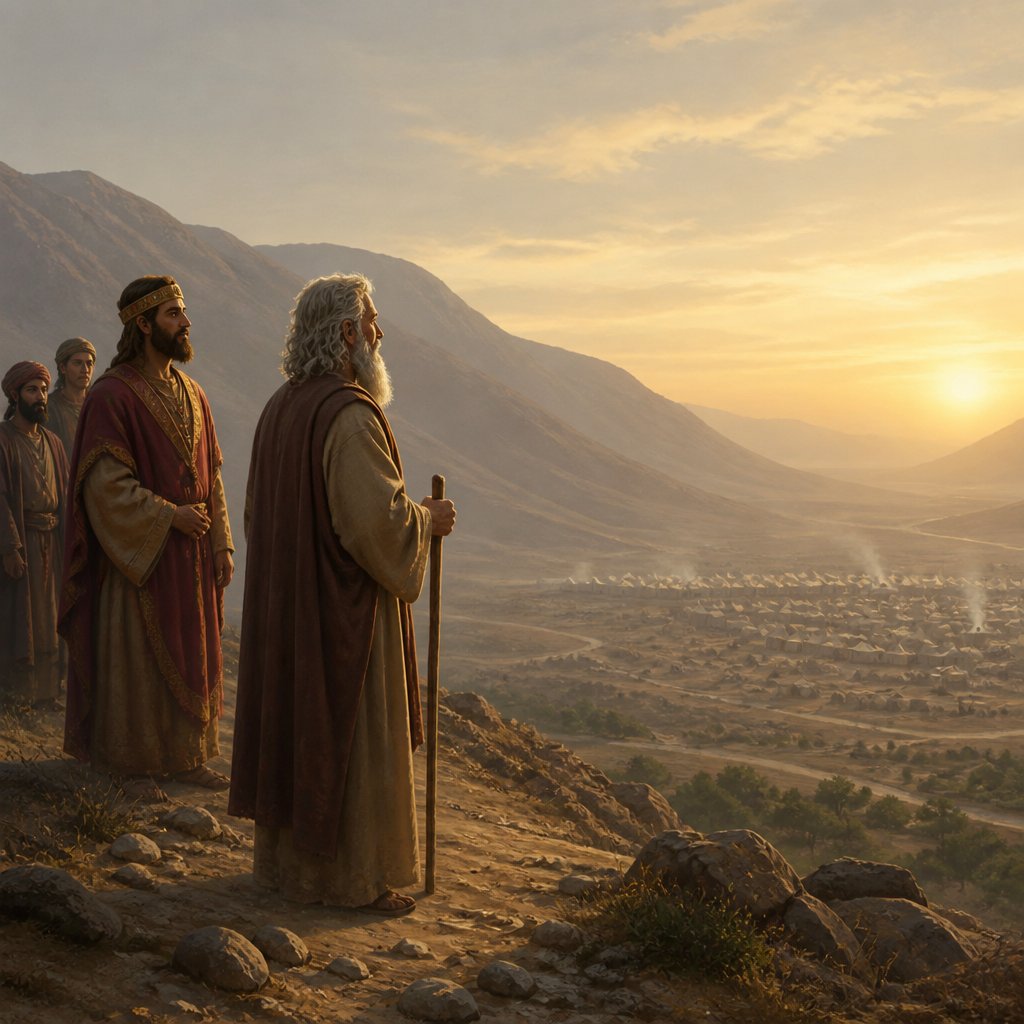
Numbers 23:7 in the King James Version of the Bible reads, "And he took up his parable, and said, Balak the king of Moab hath brought me from Aram, out of the mountains of the east, saying, Come, curse me Jacob, and come, defy Israel."
This verse is part of a larger narrative in the book of Numbers, which tells the story of the Israelites as they journey through the wilderness on their way to the promised land. The context of this particular verse is a confrontation between the king of Moab, Balak, and the prophet Balaam. Balak is fearful of the Israelites and their growing power, and he seeks to enlist Balaam to curse them, hoping to weaken them or even destroy them. Balaam, however, is a faithful servant of God and refuses to curse the Israelites, instead delivering a message of blessing and protection.
The verse begins with the phrase, "And he took up his parable," indicating that Balaam is about to speak a prophetic message. The word "parable" here can be understood as a figurative speech or oracle, often used in the Bible to convey deep spiritual truths. Balaam's words are not just casual or ordinary; they carry weight and authority as a divine message.
The verse continues with Balaam recounting how Balak, the king of Moab, has summoned him from Aram, a region to the northeast of Moab. This geographical detail serves to place the events in a specific location and setting, grounding the narrative in history and emphasizing the real-life conflict between the Moabites and the Israelites.
The crux of the verse is Balak's request for Balaam to curse the people of Jacob and defy Israel. From a symbolic and thematic standpoint, this is a pivotal moment in the story. The request to curse the Israelites represents the ongoing hostility and opposition that the people of God face from the surrounding nations. It also reflects the spiritual battle between good and evil, as Balak seeks to use Balaam's spiritual authority for nefarious purposes, but Balaam ultimately serves the will of God.
At a deeper level, this verse highlights the power of words and the significance of blessings and curses. In biblical thought, words have a creative and transformative force, and blessings and curses are not just empty rhetoric but can impact the destinies of individuals and nations. Balaam's refusal to curse the Israelites underscores the divine protection and favor placed upon them, despite the efforts of their enemies to harm them.
The themes of faithfulness, obedience, and divine sovereignty are also prominent in this verse. Balaam's unwavering commitment to speaking the truth and aligning himself with God's will is a testament to his character and integrity as a prophet. It serves as a model for believers to remain steadfast in their faith and not succumb to the pressures of the world.
In a broader theological sense, this verse anticipates the coming of Jesus Christ as the ultimate fulfillment of God's blessing and protection for His people. The Israelites, despite their flaws and failings, were the chosen recipients of God's covenant promises, and through them, all nations would be blessed. This promise finds its ultimate expression in the person of Jesus, who brings salvation and reconciliation to all who believe in Him, regardless of their nationality or background.
In conclusion, Numbers 23:7 is a rich and multi-layered verse that encapsulates the timeless biblical themes of spiritual warfare, divine protection, and the power of words. It captures a crucial moment in the history of Israel and offers valuable insights for believers today. As we encounter opposition and hostility in our own lives, we can take comfort in the assurance that God's blessings and providence ultimately prevail over the forces of evil.
Get our apps


Artwork for Numbers 23:7

Numbers 23:7 - "And he took up his parable, and said, Balak the king of Moab hath brought me from Aram, out of the mountains of the east, saying, Come, curse me Jacob, and come, defy Israel."
"And he took up his parable, and said, Balak the king of Moab hath brought me from Aram, out of the mountains of the east, saying, Come, curse me Jacob, and come, defy Israel." - Numbers 23:7

Numbers 7:23 - "And for a sacrifice of peace offerings, two oxen, five rams, five he goats, five lambs of the first year: this was the offering of Nethaneel the son of Zuar."

Numbers 23:30
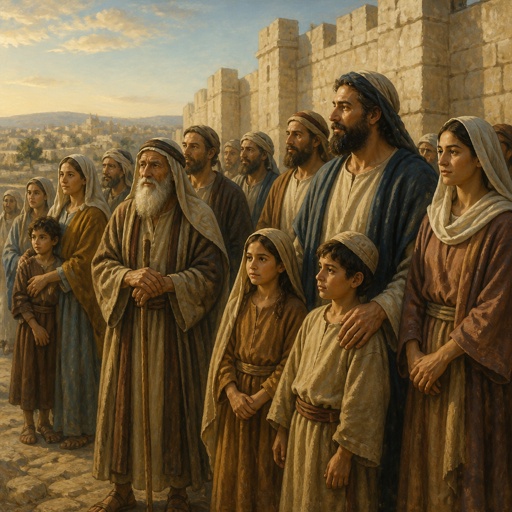
"The children of Bezai, three hundred twenty and four." - Nehemiah 7:23

Numbers 23:1-13

Numbers 8:23 - "¶ And the LORD spake unto Moses, saying,"

Numbers 16:23 - "¶ And the LORD spake unto Moses, saying,"
Numbers 33:23 - "And they went from Kehelathah, and pitched in mount Shapher."

Numbers 3:23 - "The families of the Gershonites shall pitch behind the tabernacle westward."

Balaam bless Israel twice in numbers 23

Numbers 29:7

Numbers 4:7

Numbers 23:23 - "Surely there is no enchantment against Jacob, neither is there any divination against Israel: according to this time it shall be said of Jacob and of Israel, What hath God wrought!"

Numbers 10:23 - "And over the host of the tribe of the children of Manasseh was Gamaliel the son of Pedahzur."

Numbers 23:28 - "And Balak brought Balaam unto the top of Peor, that looketh toward Jeshimon."

Numbers 2:23 - "And his host, and those that were numbered of them, were thirty and five thousand and four hundred."

Numbers 34:23 - "The prince of the children of Joseph, for the tribe of the children of Manasseh, Hanniel the son of Ephod."
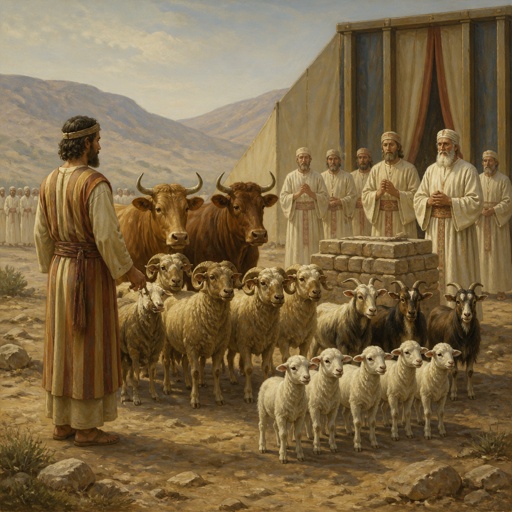
"And for a sacrifice of peace offerings, two oxen, five rams, five he goats, five lambs of the first year: this was the offering of Nethaneel the son of Zuar." - Numbers 7:23

Numbers 1:23 - "Those that were numbered of them, even of the tribe of Simeon, were fifty and nine thousand and three hundred."
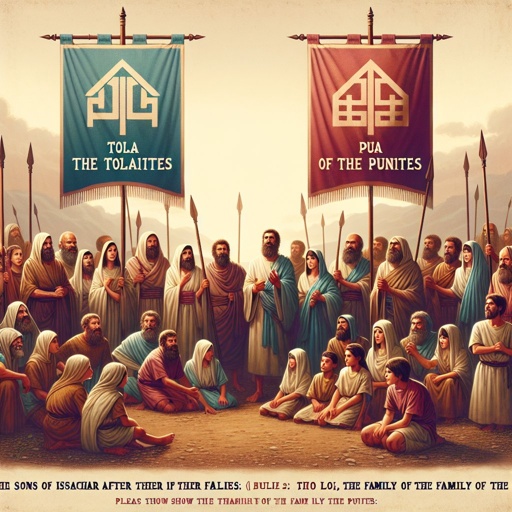
Numbers 26:23 - "¶ Of the sons of Issachar after their families: of Tola, the family of the Tolaites: of Pua, the family of the Punites:"

Numbers 23:30 - "And Balak did as Balaam had said, and offered a bullock and a ram on every altar."

Numbers 23:22 - "God brought them out of Egypt; he hath as it were the strength of an unicorn."

Numbers 7:1-9

matthew 7:23

Genesis 23-7

Numbers 7:7 - "Two wagons and four oxen he gave unto the sons of Gershon, according to their service:"

Numbers 4:7-8

Numbers 1:7 - "Of Judah; Nahshon the son of Amminadab."

Numbers 28:23 - "Ye shall offer these beside the burnt offering in the morning, which is for a continual burnt offering."