Judgment and Mercy: The Balance of Justice in Our Lives
“Then the congregation shall judge between the slayer and the revenger of blood according to these judgments:” — Numbers 35:24
The concept of justice runs deep in the heart of humanity. It is one of the fundamental elements that govern our society and personal relationships. The Bible, particularly through the laws outlined in Numbers 35:24, provides us with crucial insights into how God intends for us to navigate the complexities of judgment, mercy, and accountability.
The verse states, "Then the congregation shall judge between the slayer and the revenger of blood according to these judgments" (KJV). At first glance, the scripture seems to detail a procedural matter regarding capital punishment and the role of the community in administering justice. However, when we dig deeper, we uncover profound truths about the character of God, the role of community, and the inner dynamics of our relationships.
**Understanding the Context**
The context of Numbers 35 is crucial for understanding the depth of this verse. The Israelites were outlining laws on how to deal with murder and accidental death, ensuring that justice was not only served but done in a way that allowed for the potential for redemption. The slayer refers to someone who has inadvertently caused death—such as through an accident—while the revenger of blood typically involves a relative seeking vengeance for the slain. In ancient cultures, the cycle of retribution could escalate into blood feuds that brought untold suffering. God instituted these principles through the Mosaic Law to introduce a balanced, community-centered approach to justice that discouraged angry retaliation and encouraged careful deliberation.
**The Role of the Congregation**
The phrase "the congregation shall judge" indicates a vital aspect of accountability in our lives. It highlights the importance of community in administering justice. There is an inherent recognition that an individual, driven by emotion, may lack the objectivity needed to render fair judgment. By involving the whole community, God intended for justice to be a collective responsibility, not merely an individual impulse. In our modern context, this raises questions about how we address grievances, conflicts, and perceptions of injustice within our communities. Are we quick to judge, fueled by our emotions, or do we seek the counsel of others to ensure fairness?
**Justice, Mercy, and Forgiveness**
Furthermore, Numbers 35:24 brings to light the tension between justice and mercy. The original laws stipulated cities of refuge where the slayer could seek asylum. This provision illustrates the heart of a merciful God—one who does not delight in punishing the wrongdoer but provides opportunities for grace and restoration. In the person of Jesus Christ, we see the ultimate embodiment of justice satisfied through mercy. The cross reveals how God can maintain righteousness without compromising his love for humanity. In our lives, this challenges us to reflect on our own capacity to extend grace and mercy in situations where we've perhaps felt wronged. How often do we react out of vengeance, rather than seeking to understand, to forgive, and to heal?
**A Call for Reflection**
In practical terms, the verse invites us to consider how we engage with one another socially and spiritually. When we experience conflict, are we engaging in conversations that reflect God’s heart of justice? Are we quick to judge others or do we take the careful time to listen and understand their circumstances? Just like the ancient Israelites, we must strive to create communities that foster healing and accountability.
Additionally, the notion of revenging blood carries implications for our personal lives. Are there grievances we hold onto, situations we feel we must retaliate against? Here, we are called to temper our instincts for revenge with the principles of love and mercy outlined in the narrative of Scripture.
**In Conclusion**
As we meditate on Numbers 35:24, let us be reminded that judgment and mercy are not at odds; rather, they work together for the establishment of a just community rooted in love and compassion. Let us allow the principles of justice to guide our actions while keeping an open heart to forgive and reach out to those in need of healing. Indeed, may our lives reflect the character of the God we serve, who is both just and merciful.
Get our apps


Artwork for Numbers 35:24

Numbers 35:24 - "Then the congregation shall judge between the slayer and the revenger of blood according to these judgments:"

"Then the congregation shall judge between the slayer and the revenger of blood according to these judgments:" - Numbers 35:24

Matthew 24:35

Matthew 24:35

Matthew 24:35

Matthew 24:35

Matthew 24:35

Matthew 24:35

Matthew 24:35

Matthew 24:35

Matthew 24:35

Matthew 24:35

Luke 24:35

Genesis 24-35

Numbers 32:35 - "And Atroth, Shophan, and Jaazer, and Jogbehah,"

Luke 24:13-35

Genesis 35:24 - "The sons of Rachel; Joseph, and Benjamin:"

Numbers 35:9 - "¶ And the LORD spake unto Moses, saying,"

Numbers 33:35 - "And they departed from Ebronah, and encamped at Ezion-gaber."

Numbers 35. City of refuge and blood avenger

Picture representing Numbers 21:21-35

Numbers 11:35 - "And the people journeyed from Kibroth-hattaavah unto Hazeroth; and abode at Hazeroth."

"And Atroth, Shophan, and Jaazer, and Jogbehah," - Numbers 32:35

"And Atroth, Shophan, and Jaazer, and Jogbehah," - Numbers 32:35

Numbers 35:1 - "And the LORD spake unto Moses in the plains of Moab by Jordan near Jericho, saying,"

Numbers 35:20 - "But if he thrust him of hatred, or hurl at him by laying of wait, that he die;"
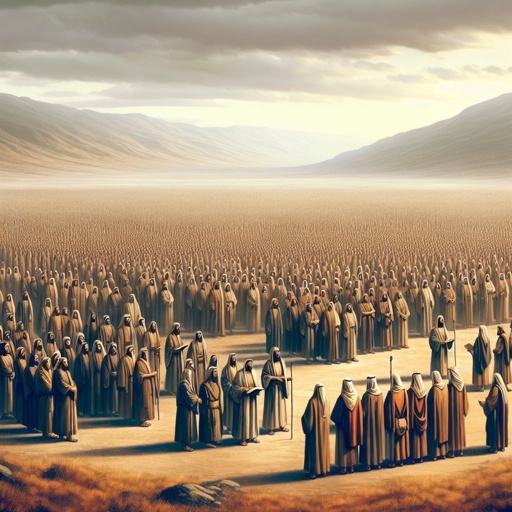
Numbers 1:35 - "Those that were numbered of them, even of the tribe of Manasseh, were thirty and two thousand and two hundred."

"The sons of Rachel; Joseph, and Benjamin:" - Genesis 35:24

Numbers 35:13 - "And of these cities which ye shall give six cities shall ye have for refuge."

Matthew 24:35 - "Heaven and earth shall pass away, but my words shall not pass away."