The Costly Offering: Understanding Our Sacrifices to God
“And he shall offer his offering unto the LORD, one he lamb of the first year without blemish for a burnt offering, and one ewe lamb of the first year without blemish for a sin offering, and one ram without blemish for peace offerings,” — Numbers 6:14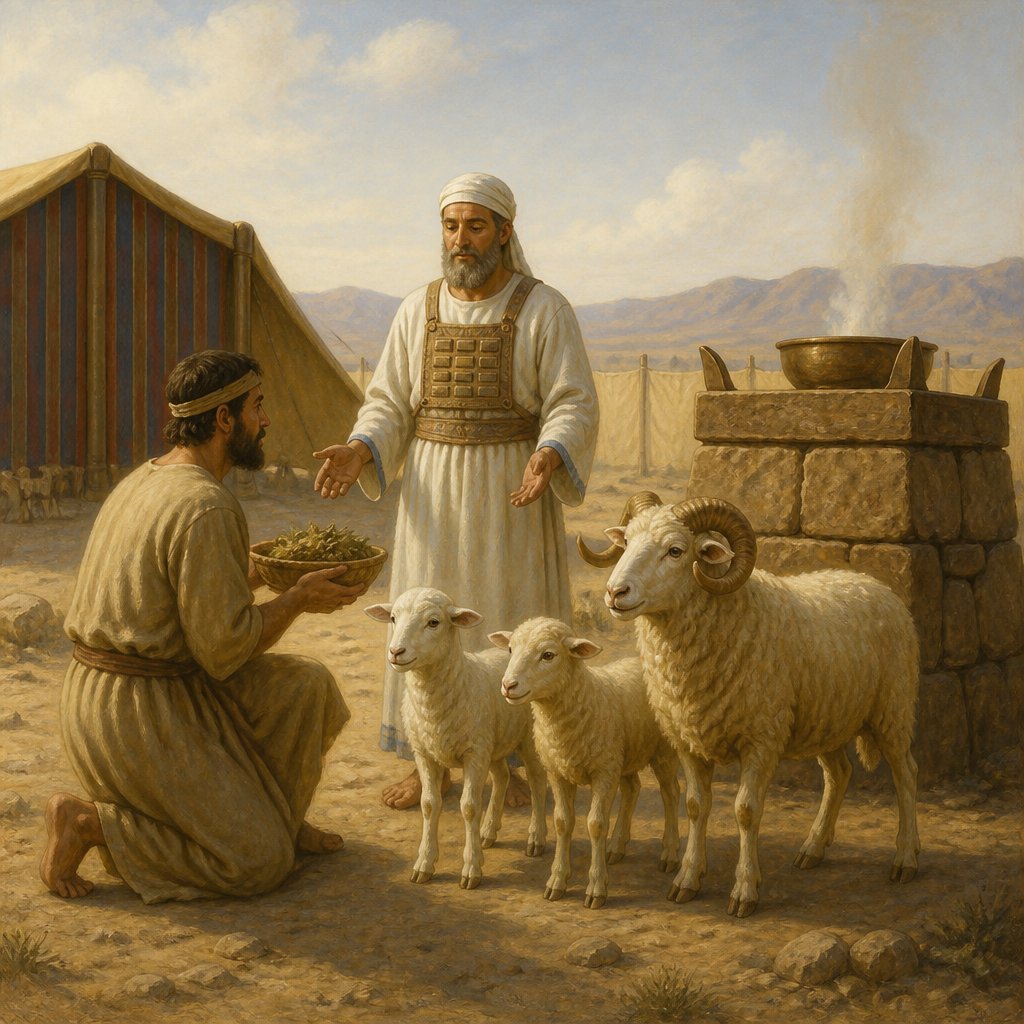
Numbers 6:14 (KJV) reads: "And he shall offer his offering unto the LORD, one he lamb of the first year without blemish for a burnt offering, and one ewe lamb of the first year without blemish for a sin offering, and one ram without blemish for peace offerings."
In the Book of Numbers, God is establishing the parameters of worship and sacrifice for His people. Each offering serves a specific purpose and speaks to a deeper spiritual principle regarding our relationship with God. As we explore the significance of these offerings, we find rich truths that apply to our lives today.
First, let's unpack what it means to bring an offering unto the Lord. An offering implies that there is recognition of a greater source; it is an acknowledgment of God’s supreme authority and goodness in our lives. When we bring an offering, we are expressing gratitude and reverence. In the context of Numbers 6:14, the offerings specified were not just ordinary animals; they were lambs "without blemish"—perfect and unblemished, symbolizing purity and the best we can give. In our life of worship, this reflects a call to offer our best to God, not just in terms of material sacrifices but in everything we are and do.
### The He Lamb: A Burnt Offering
The he lamb is presented as a burnt offering, which was entirely consumed in the fire, symbolizing total dedication and commitment to God. The act of burning the offering symbolizes surrender. As Christians, we are called to present ourselves as living sacrifices, as Paul states in Romans 12:1: "I beseech you therefore, brethren, by the mercies of God, that ye present your bodies a living sacrifice, holy, acceptable unto God, which is your reasonable service."
This offering compels us to reflect on our own lives: Are we willing to lay down our ambitions, desires, and very selves at the altar of God? The burnt offering illustrates a significant principle: total surrender to God's will opens the door to deeper intimacy with Him.
### The Ewe Lamb: A Sin Offering
Next, we consider the ewe lamb for the sin offering. Sin offerings were crucial for the forgiveness of the people’s sins. They acknowledged the reality of sin in our lives and the need for atonement. In our spiritual journey, sin cannot be overlooked; it disrupts our communion with God. The offering of a lamb without blemish illustrates that for atonement, someone or something without sin must take our place.
In the New Testament, Christ becomes our sin offering (1 Peter 2:24): "Who his own self bare our sins in his own body on the tree..." Just as the ewe lamb was necessary for sin offerings, Christ puts Himself forth as our perfectly unblemished sacrifice. With this understanding, we should approach God with a repentant heart, fully aware of the cost of our redemption.
### The Ram: A Peace Offering
Finally, the ram for peace offerings represents reconciliation and the restoration of relationship. The Hebrew root for peace offerings points to wholeness and harmony. It is a joyous expression of fellowship with God and community. When we bring our peace offerings, we celebrate the restoration of our relationship with Him.
There is a profound lesson in this: as we strive for peace with God, we are to extend that same peace to others. Jesus teaches us in Matthew 5:9: "Blessed are the peacemakers: for they shall be called the children of God." In our lives, whether at work, in families, or in communities, we should pursue peace actively, recognizing that our relationship with God affects how we engage with others.
### Conclusion
As we take these offerings into consideration, we are reminded that our approach to worship, repentance, and reconciliation matters to God. Every offering—from burnt to sin to peace—connects us back to the essence of God’s love and grace. Just as the Hebrew people brought their best before the Lord, we too are invited to present our best, knowing that He delights in our heart’s posture. In willing surrender, meaningful repentance, and active peace-making, we find ourselves fully embracing the life God intended for us—one marked by holiness, love, and purpose. Let us be diligent in this offering, bringing forth our best each day, unblemished and full of faith.
Get our apps


Artwork for Numbers 6:14

Numbers 6:14 - "And he shall offer his offering unto the LORD, one he lamb of the first year without blemish for a burnt offering, and one ewe lamb of the first year without blemish for a sin offering, and one ram without blemish for peace offerings,"
"And he shall offer his offering unto the LORD, one he lamb of the first year without blemish for a burnt offering, and one ewe lamb of the first year without blemish for a sin offering, and one ram without blemish for peace offerings," - Numbers 6:14

Numbers 14:6 - "¶ And Joshua the son of Nun, and Caleb the son of Jephunneh, which were of them that searched the land, rent their clothes:"
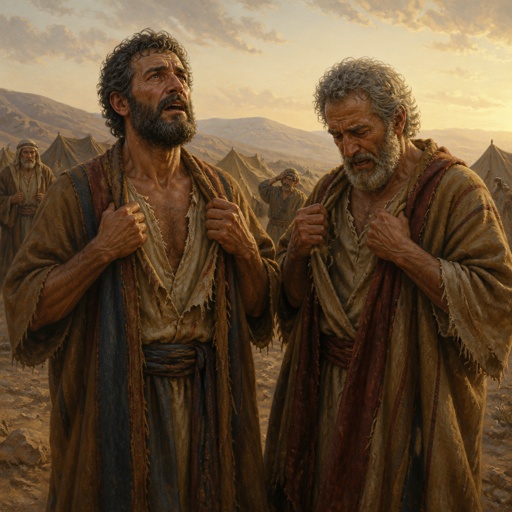
"¶ And Joshua the son of Nun, and Caleb the son of Jephunneh, which were of them that searched the land, rent their clothes:" - Numbers 14:6

Numbers 14:8

Numbers 14:8

Numbers 14:8

Ending scene of numbers 14

numbers 31:14-15

Numbers 1:14 - "Of Gad; Eliasaph the son of Deuel."

Numbers 13:14 - "Of the tribe of Naphtali, Nahbi the son of Vophsi."

Numbers 14:32 - "But as for you, your carcases, they shall fall in this wilderness."

Scene from numbers 14:45

Numbers 11. 4 to 6

Numbers 18:14 - "Every thing devoted in Israel shall be thine."

Numbers 6:6 - "All the days that he separateth himself unto the LORD he shall come at no dead body."

Numbers 3:14 - "¶ And the LORD spake unto Moses in the wilderness of Sinai, saying,"

Numbers 7:14 - "One spoon of ten shekels of gold, full of incense:"

Numbers 1:6 - "Of Simeon; Shelumiel the son of Zurishaddai."

Numbers 14:26 - "¶ And the LORD spake unto Moses and unto Aaron, saying,"

Numbers 26:14 - "These are the families of the Simeonites, twenty and two thousand and two hundred."

Numbers 6:22 - "¶ And the LORD spake unto Moses, saying,"

Numbers 27:6 - "¶ And the LORD spake unto Moses, saying,"

Numbers 13:6 - "Of the tribe of Judah, Caleb the son of Jephunneh."

Numbers 6:1 - "And the LORD spake unto Moses, saying,"

Numbers 6:24 - "The LORD bless thee, and keep thee:"

Aaron blessing the congregation in numbers 6

Numbers 14:20 - "And the LORD said, I have pardoned according to thy word:"

Numbers 26:6 - "Of Hezron, the family of the Hezronites: of Carmi, the family of the Carmites."

Numbers 14:21 - "But as truly as I live, all the earth shall be filled with the glory of the LORD."