The First Fruits of Faith: The Offering of Nahshon
“And he that offered his offering the first day was Nahshon the son of Amminadab, of the tribe of Judah:” — Numbers 7:12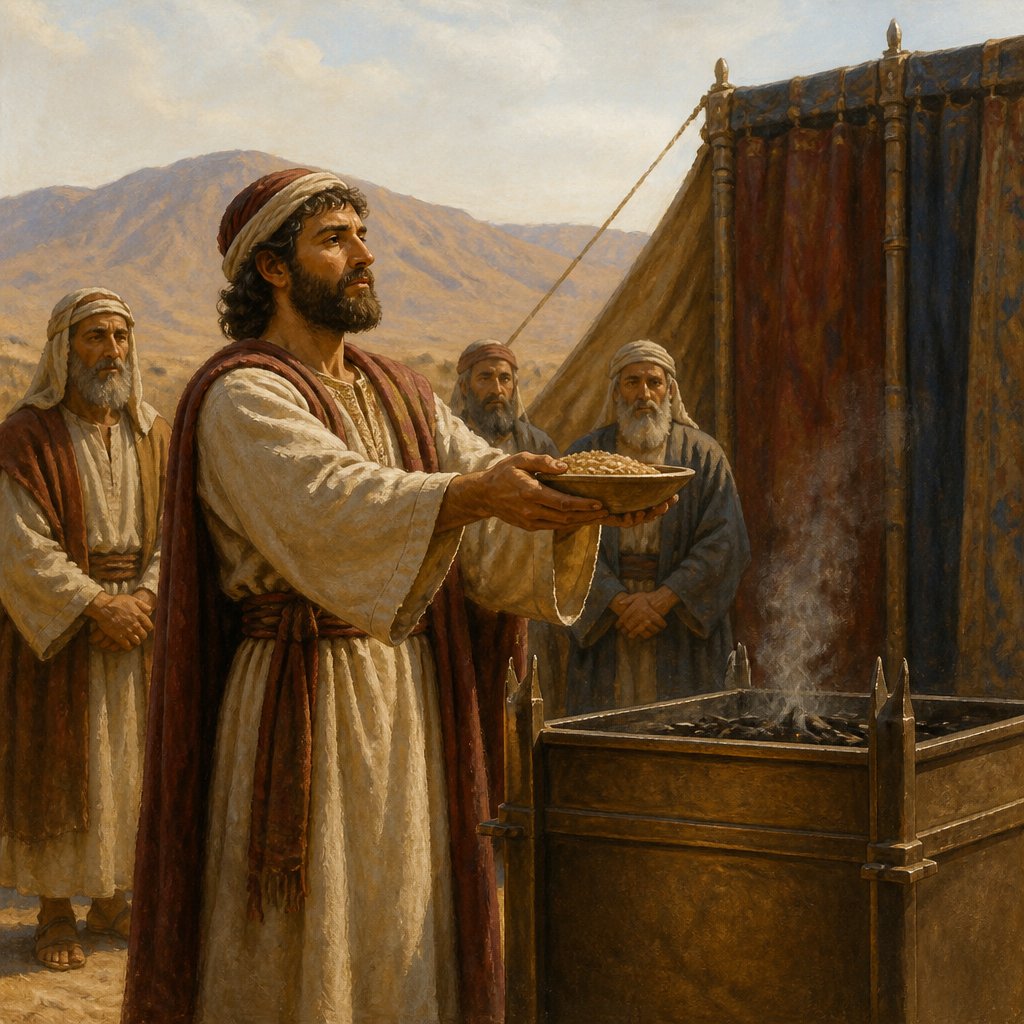
In the book of Numbers, chapter 7, we encounter an account rich in significance concerning the offerings and dedications made to God by the leaders of Israel. The verse that stands out is Numbers 7:12: "And he that offered his offering the first day was Nahshon the son of Amminadab, of the tribe of Judah." This seemingly simple statement contains profound insights that warrant deep reflection and application in our lives today.
To fully appreciate what Nahshon’s offering symbolizes, we must first understand the role of offerings in the worship of God. Offerings were not mere acts of charity—they represented a believer’s acknowledgment of God’s sovereignty, provision, and faithfulness. They were tangible expressions of gratitude and commitment to the Lord. The specifics of who offered on which day and from which tribe reveal not just individual piety but also communal identity and heritage.
Nahshon, the son of Amminadab, coming from the tribe of Judah, holds a special place in this narrative. Judah was the tribe from which kings would emerge, including the great King David and ultimately Jesus Christ, the King of Kings. This choice is not by accident; it unveils God’s providence and design in choosing a lineage from which salvation would come. In choosing a leader from Judah, God is affirming not just the historic significance of this tribe but also points to His eternal plan for redemption. Thus, Nahshon’s offering can be seen as not just a personal act of obedience, but as part of a larger divine narrative.
As we reflect on this verse, consider the implications of being the first—Nahshon was the first to offer his offering. In the realm of spiritual maturity, being first can imply several things: courage, leadership, and an eagerness to honor God. Nahshon stepped forward when called, setting an example for others to follow. His action encourages us to ask ourselves: Are we willing to take the lead in our faith? Are we ready to be the first to give, the first to serve, or the first to reach out in love?
In our modern Christian experience, how can we emulate Nahshon? The act of giving our offerings—whether in finances, time, or talents—is an essential aspect of our relationship with God. Each time we give, we are making a declaration of faith in God’s provision. Nahshon’s willingness to offer first calls us to examine our own hearts: Are we motivated by a desire to please God? Are we characterized by a spontaneous response to God’s call in our lives?
Moreover, Nahshon’s offering was not a solitary act; it was part of the communal worship of Israel. He represented his tribe, his family, and ultimately, the people of God. Our commitments to God should never be seen in isolation. When we offer ourselves—our gifts, services, and worship—we participate in the body of Christ, bringing unity and functionality to the church as a whole. Just as Nahshon’s offering opened the door for others, our acts of faith can inspire those around us.
As we meditate on Nahshon’s offering, let us be encouraged to approach our giving in all forms with an attitude of generosity and dedication. May we give of ourselves first, leading by example and honoring God through every aspect of our lives. Let every act of faith become an offering to God—worthy, sincere, and filled with the kind of passion that resembles the heart of Nahshon.
In conclusion, the story of Nahshon resonates as a reminder of the importance of being proactive in our faith. Let us strive to be first in our commitment to Christ, setting a precedent for others. Our relationship with God invites us to step forward and present our offerings to Him, ushering in a powerful legacy of worship that echoes into the future.
Get our apps


Artwork for Numbers 7:12

Numbers 7:12 - "¶ And he that offered his offering the first day was Nahshon the son of Amminadab, of the tribe of Judah:"
"¶ And he that offered his offering the first day was Nahshon the son of Amminadab, of the tribe of Judah:" - Numbers 7:12

Numbers 12:7 - "My servant Moses is not so, who is faithful in all mine house."
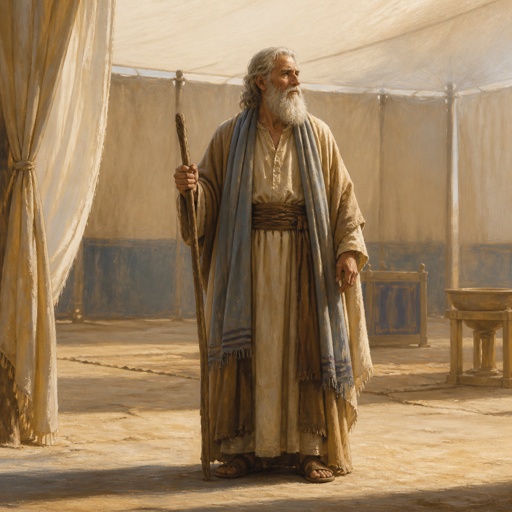
"My servant Moses is not so, who is faithful in all mine house." - Numbers 12:7

Numbers 12 15
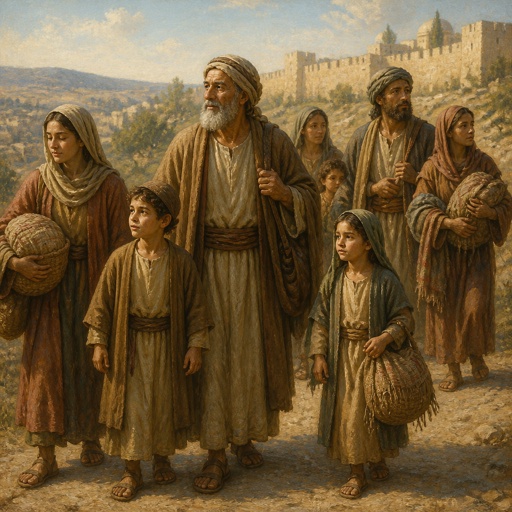
"The children of Elam, a thousand two hundred fifty and four." - Nehemiah 7:12

Numbers 29:7

Numbers 4:7

In Numbers 12, Miriam and Aaron

Numbers 1:12 - "Of Dan; Ahiezer the son of Ammishaddai."

Numbers 7:1-9

Numbers 7:7 - "Two wagons and four oxen he gave unto the sons of Gershon, according to their service:"

Numbers 4:7-8

Numbers 13:12 - "Of the tribe of Dan, Ammiel the son of Gemalli."

Numbers 1:7 - "Of Judah; Nahshon the son of Amminadab."

Numbers 12:12 - "Let her not be as one dead, of whom the flesh is half consumed when he cometh out of his mother's womb."

Numbers 21:12 - "¶ From thence they removed, and pitched in the valley of Zared."

Numbers 7:76 - "One kid of the goats for a sin offering:"

Numbers 7:64 - "One kid of the goats for a sin offering:"

Numbers 7:34 - "One kid of the goats for a sin offering:"

Numbers 7:58 - "One kid of the goats for a sin offering:"

Numbers 7:22 - "One kid of the goats for a sin offering:"

Numbers 7:70 - "One kid of the goats for a sin offering:"

Numbers 7:82 - "One kid of the goats for a sin offering:"

Numbers 12:9 - "And the anger of the LORD was kindled against them; and he departed."

Numbers 7:46 - "One kid of the goats for a sin offering:"

Numbers 7:4 - "And the LORD spake unto Moses, saying,"

Numbers 7:16 - "One kid of the goats for a sin offering:"

Numbers 7:52 - "One kid of the goats for a sin offering:"

Numbers 20:7 - "¶ And the LORD spake unto Moses, saying,"