The Sweet Aroma of Sacrifice
“One spoon of gold of ten shekels, full of incense:” — Numbers 7:20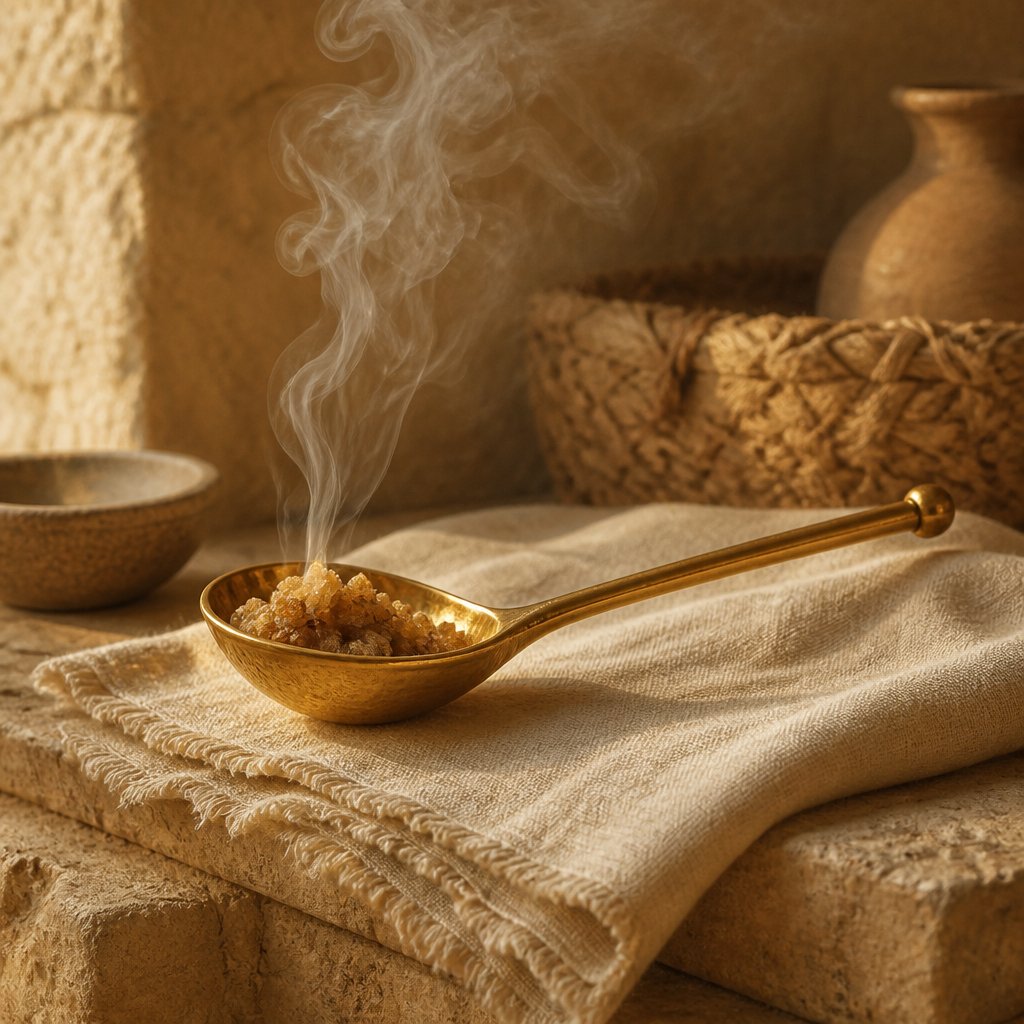
In the Old Testament, the Book of Numbers encapsulates a unique moment in the spiritual journey of the Israelite people. Chapter 7 relays a series of offerings presented by the leaders of each tribe at the dedication of the altar, marking an important moment of unity, commitment, and divine service. Each offering was a reflection of the giver’s heart and the collective spirit of the nation at that time.
Among the various contributions, we find an intriguing detail in Numbers 7:20, which states, "One spoon of gold of ten shekels, full of incense." On the surface, this may appear as a simple mention of an item of value, but a deeper examination reveals layers of meaning steeped in worship, sacrifice, and the nature of God’s relationship with His people.
The 'spoon of gold' symbolizes not only value but also purity and durability. Gold has long been associated with divinity and kingship, a material befitting offerings made to God. However, the gold itself, though precious, serves as a means to an end; it is what the spoon contains that captures our attention—the ‘incense.’ Incense is not just a pleasant fragrance; it has significant spiritual symbolism as well. In biblical tradition, incense represents the prayers and worship of the people, rising up to God as a sweet-smelling aroma.
When we think about this offering through the lens of our worship today, we are reminded that God desires not only our possessions or monetary gifts but the essence of our being, particularly our prayers and our worship. The spoon may represent what we offer externally, but it is the incense—the heart behind our offering—that truly matters in God’s sight. It is a beautiful reminder that God looks not just at our actions, but the heart behind those actions.
In Psalm 141:2, we read, "Let my prayer be set forth before thee as incense; and the lifting up of my hands as the evening sacrifice." This verse echoes the profound truth that our prayers, when offered through the grace of Christ, become a form of worship akin to the incense that filled the temple. Just as a spoon of gold was filled with incense for the Lord, our lives are meant to be filled with the fragrance of devotion and prayer.
Moreover, we are called to offer our prayers as a sacred sacrifice. Throughout Scripture, the act of giving has intrinsic value, not for its material worth but for the heart commitment it signifies. This offering in Numbers serves as an example that in our worship and lives, we should always bring our best—just as it was important in the Old Covenant to ensure that what was presented to God held the utmost worth and beauty.
In practical terms, understanding the significance of this offering challenges us to consider what we are presenting to God in our daily lives. Is our spoon filled with the 'incense' of sincere prayer? Are we regularly dedicating moments to come before God with open hearts, seeking His presence and guidance? In a world that can sometimes feel hectic and distracting, we should make room in our lives for this holy practice.
Ultimately, Numbers 7:20 invites us to reflect upon the nature of our worship. It reminds us that our offerings—both material and spiritual—should radiate a sincere desire to connect with God. While our acts of worship might take the shape of various rituals and offerings, it is the heart behind those acts that resonates with God's heart.
May our lives be filled with the sweet aroma of prayer and devotion. As we offer ourselves and our worship to God, let them rise before Him like sweet incense—our surrender, our faith, and our devoted hearts.
Get our apps


Artwork for Numbers 7:20

Numbers 7:20 - "One spoon of gold of ten shekels, full of incense:"
"One spoon of gold of ten shekels, full of incense:" - Numbers 7:20

Numbers 20:7 - "¶ And the LORD spake unto Moses, saying,"
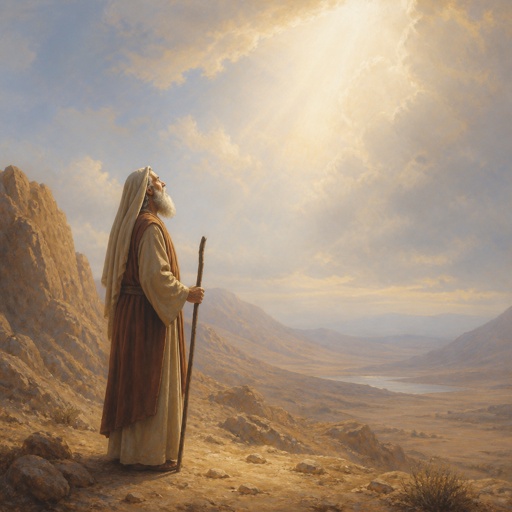
"¶ And the LORD spake unto Moses, saying," - Numbers 20:7
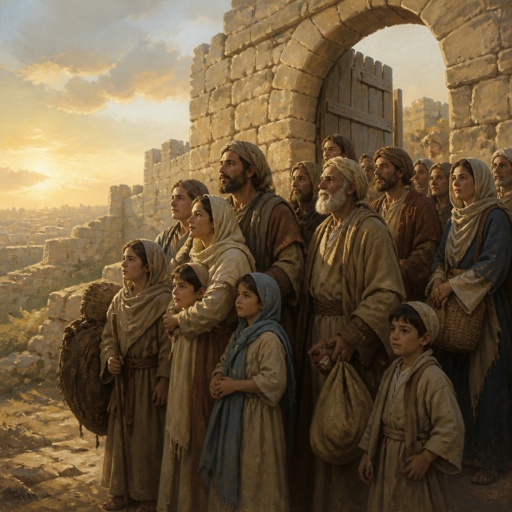
"The children of Adin, six hundred fifty and five." - Nehemiah 7:20

Numbers 20:20 - "And he said, Thou shalt not go through. And Edom came out against him with much people, and with a strong hand."

Numbers 34:20 - "And of the tribe of the children of Simeon, Shemuel the son of Ammihud."

Numbers 33:20 - "And they departed from Rimmon-parez, and pitched in Libnah."

Numbers 29:7

Numbers 4:7

Numbers 16:20 - "And the LORD spake unto Moses and unto Aaron, saying,"

Numbers 14:20 - "And the LORD said, I have pardoned according to thy word:"

Numbers 10:20 - "And over the host of the tribe of the children of Gad was Eliasaph the son of Deuel."

Numbers 4:20 - "But they shall not go in to see when the holy things are covered, lest they die."

Numbers 20:2 - "And there was no water for the congregation: and they gathered themselves together against Moses and against Aaron."

Numbers 7:1-9

Numbers 7:7 - "Two wagons and four oxen he gave unto the sons of Gershon, according to their service:"

Numbers 4:7-8
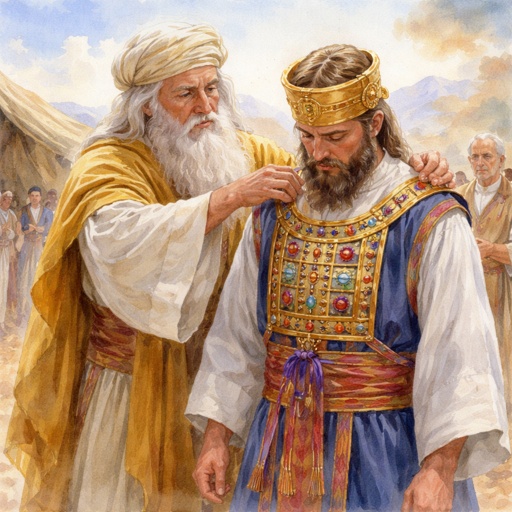
Putting Aaron’s priestly garment on Eleazar in Numbers 20

Numbers 1:7 - "Of Judah; Nahshon the son of Amminadab."

Numbers 20:9 - "And Moses took the rod from before the LORD, as he commanded him."

Numbers 35:20 - "But if he thrust him of hatred, or hurl at him by laying of wait, that he die;"

Numbers 20:13 - "This is the water of Meribah; because the children of Israel strove with the LORD, and he was sanctified in them."

Revelation 20:7

Revelation 20:7

Revelation 20:7

Psalm 20 :7

Genesis 20-7

Psalm 20:7

Revelation 20:7