The Cost of Neglect: A Call to Faithfulness
“But the man that is clean, and is not in a journey, and forbeareth to keep the passover, even the same soul shall be cut off from among his people: because he brought not the offering of the LORD in his appointed season, that man shall bear his sin.” — Numbers 9:13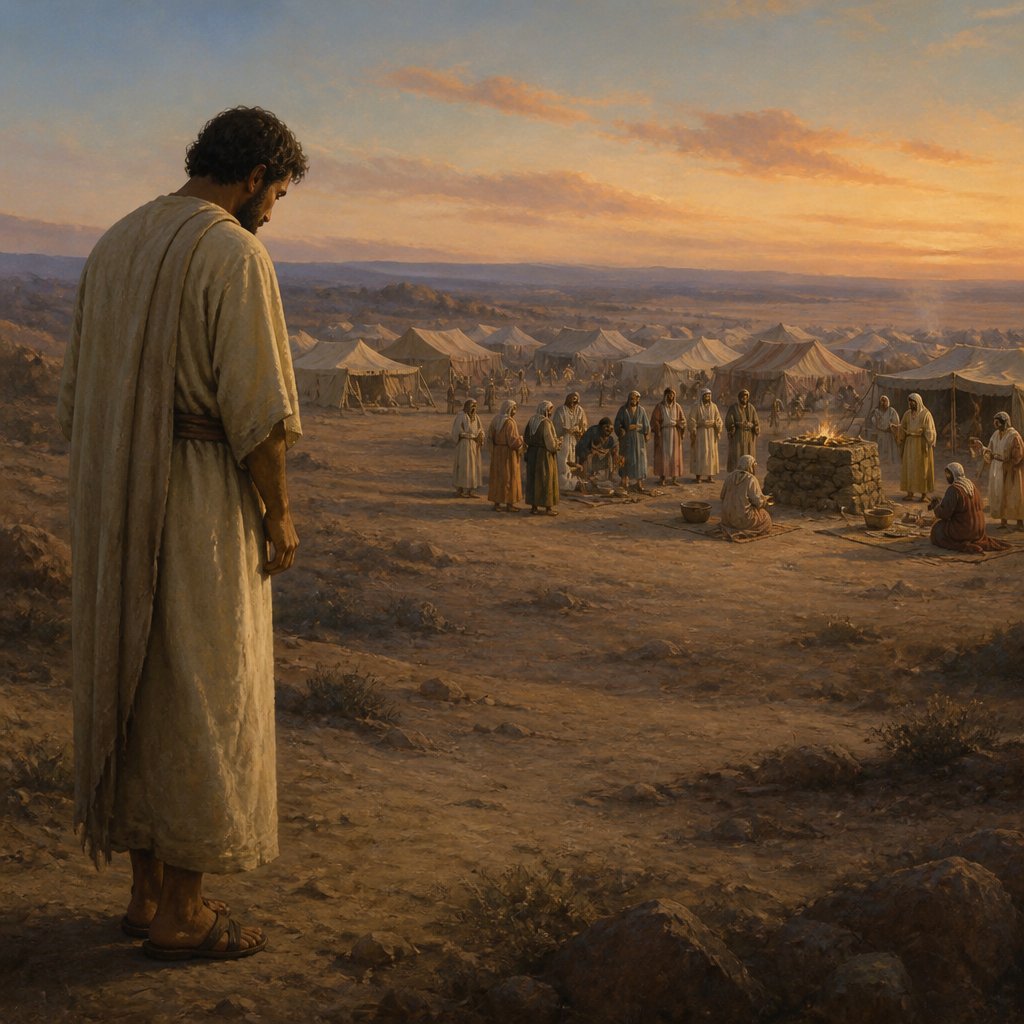
In the book of Numbers, we encounter a powerful verse that serves both as a reminder and a warning regarding the sacredness of obedience to God's commands. Numbers 9:13 states, "But the man that is clean, and is not in a journey, and forbeareth to keep the passover, even the same soul shall be cut off from among his people: because he brought not the offering of the LORD in his appointed season, that man shall bear his sin."
At first glance, this verse may seem harsh, but it is a profound truth about the nature of our relationship with God. The context in which this instruction was given is significant. The Passover was not merely a feast; it was a crucial act of remembrance and worship that commemorated God's deliverance of His people from Egypt. It was a time to reflect on God's faithfulness and to offer thanks for His grace. To neglect this ordinance, particularly when one is clean and not traveling, signifies a willful disregard of God's command, which carries grave consequences.
Let’s break down the components of this verse. The phrase "the man that is clean" implies a state of spiritual and ceremonial purity. In the Old Testament, to be clean meant to be free from sin and defilement. God desires His people to approach Him in purity, and this begins in the heart and extends to our actions. The clean individual is not hindered by any circumstance that might prevent them from participating in the Passover. This points to accountability; we cannot claim ignorance of what it means to live in accordance with God's laws. God has made it clear what is expected of us.
The phrase "and is not in a journey" serves as an added layer of significance. Being on a journey often represents legitimate distractions or unavoidable circumstances. However, here we find that even in circumstances of ease—in a state of cleanliness and with no interference—if one chooses to abstain from keeping the Passover, it becomes a decisive act of rebellion. This reveals God’s expectation that our devotion should not be contingent on our circumstances. How often do we allow the distractions of life to pull us away from our commitment to worship and service? The call to keep the Passover transcends physical presence; it is a call to cultivate a posture of faithfulness that reflects our love and reverence for God.
The phrase "shall be cut off from among his people" is a sobering warning. To be cut off means to be separated from the community of faith, from the blessings of fellowship with God’s chosen people. This signifies the severity of ignoring God’s commands. It also emphasizes the communal aspect of faith: our actions—or lack thereof—affect not just ourselves but the entire body of believers. It reminds us that our faith journey is not solitary. We are part of a larger community, and our choices have implications.
Next, we see the reason for this judgment: "because he brought not the offering of the LORD in his appointed season." This reflects God's design for order and timing in worship. God is not merely concerned with our intentions, but also with our obedience in executing those intentions within divinely ordained timelines. How often do we procrastinate our service, our prayer, or our worship? By neglecting to bring our offering, we fail to recognize the sacredness of the time and space God has set aside for us.
Finally, the concluding line, "that man shall bear his sin," reminds us that there are consequences to our choices. God, in His goodness, holds us accountable not just for our actions but also for our inactions. Obedience is crucial to our spiritual growth and relationship with our Creator. It runs deeper than mere tradition or ritual; it is about honoring God through the choices we make every day.
As we reflect on Numbers 9:13, let it be a catalytic moment for examining our lives. Are there areas in which we are spiritually "clean" yet neglecting our duty to worship, serve, and honor God? Are we allowing the distractions of life to keep us from our appointed times with the Lord? Let us strive to be faithful, for faithfulness leads us not only into the blessings of obedience but also into deeper fellowship with our heavenly Father.
Get our apps


Artwork for Numbers 9:13

Numbers 9:13 - "But the man that is clean, and is not in a journey, and forbeareth to keep the passover, even the same soul shall be cut off from among his people: because he brought not the offering of the LORD in his appointed season, that man shall bear his sin."
"But the man that is clean, and is not in a journey, and forbeareth to keep the passover, even the same soul shall be cut off from among his people: because he brought not the offering of the LORD in his appointed season, that man shall bear his sin." - Numbers 9:13

Numbers 13:9 - "Of the tribe of Benjamin, Palti the son of Raphu."
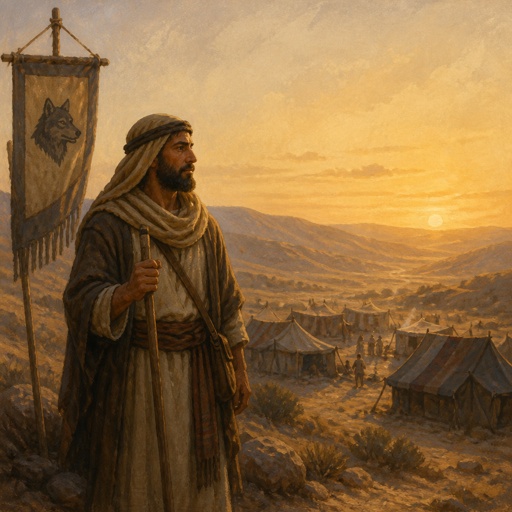
"Of the tribe of Benjamin, Palti the son of Raphu." - Numbers 13:9

Numbers 13:13 - "Of the tribe of Asher, Sethur the son of Michael."

Numbers 9:9 - "¶ And the LORD spake unto Moses, saying,"

Numbers 23:1-13

"Of the tribe of Asher, Sethur the son of Michael." - Numbers 13:13

Numbers 1:13 - "Of Asher; Pagiel the son of Ocran."

Numbers 7:1-9

Numbers 13:6 - "Of the tribe of Judah, Caleb the son of Jephunneh."

Numbers 13:10 - "Of the tribe of Zebulun, Gaddiel the son of Sodi."

Numbers 33:13 - "And they departed from Dophkah, and encamped in Alush."

Numbers 13:8 - "Of the tribe of Ephraim, Oshea the son of Nun."

Numbers 13:5 - "Of the tribe of Simeon, Shaphat the son of Hori."

Numbers 13:1 - "And the LORD spake unto Moses, saying,"

Numbers 13:15 - "Of the tribe of Gad, Geuel the son of Machi."

Numbers 13:12 - "Of the tribe of Dan, Ammiel the son of Gemalli."

Numbers 13:7 - "Of the tribe of Issachar, Igal the son of Joseph."

Numbers 13:14 - "Of the tribe of Naphtali, Nahbi the son of Vophsi."

Numbers 1:9 - "Of Zebulun; Eliab the son of Helon."

"¶ And the LORD spake unto Moses, saying," - Numbers 9:9

Numbers 35:9 - "¶ And the LORD spake unto Moses, saying,"

Numbers 26:13 - "Of Zerah, the family of the Zarhites: of Shaul, the family of the Shaulites."

Numbers 13:25 - "And they returned from searching of the land after forty days."

Numbers 13:4 - "And these were their names: of the tribe of Reuben, Shammua the son of Zaccur."

Numbers 12:9 - "And the anger of the LORD was kindled against them; and he departed."

Numbers 25:9 - "And those that died in the plague were twenty and four thousand."

Numbers 10:13 - "And they first took their journey according to the commandment of the LORD by the hand of Moses."

Numbers 13:11 - "Of the tribe of Joseph, namely, of the tribe of Manasseh, Gaddi the son of Susi."