The Wisdom of Silence: Understanding Neighbors Through Christ
“He that is void of wisdom despiseth his neighbour: but a man of understanding holdeth his peace.” — Proverbs 11:12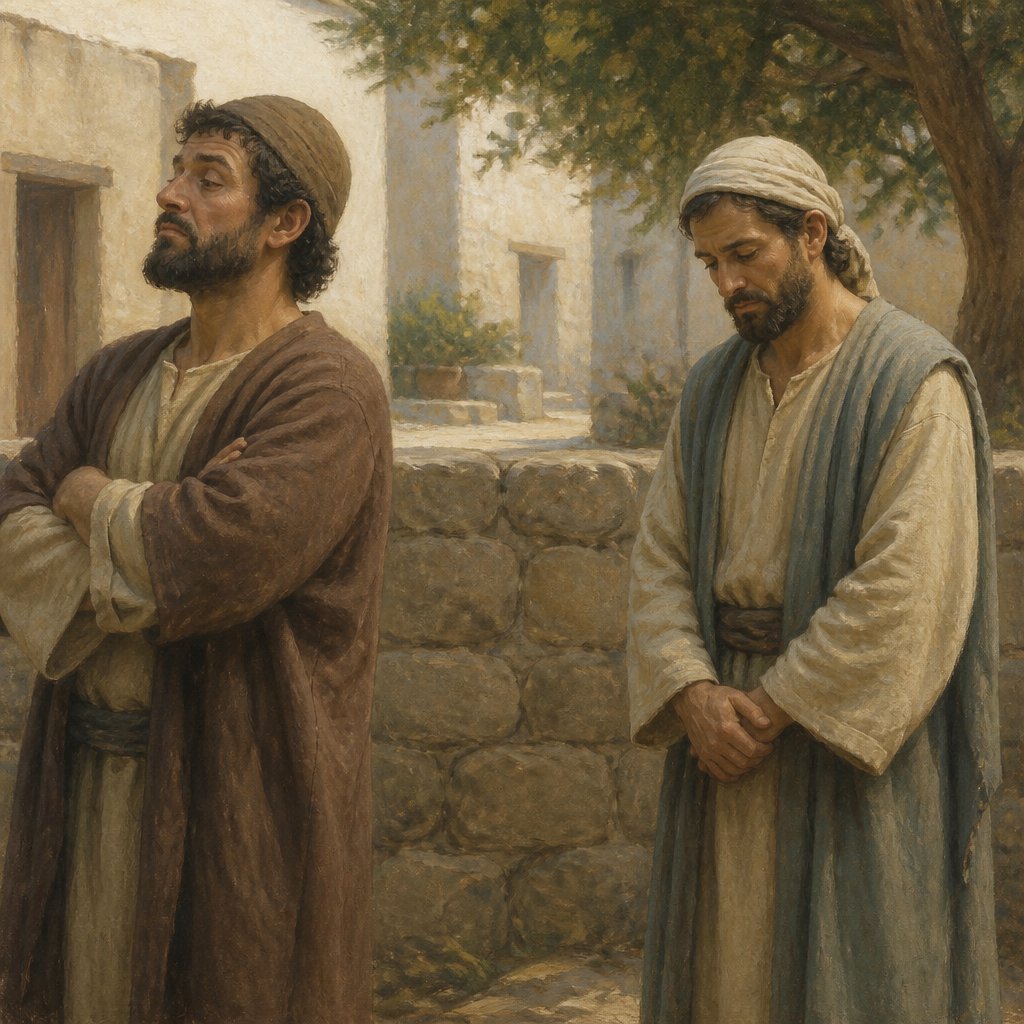
Proverbs 11:12 (KJV) states, "He that is void of wisdom despiseth his neighbour: but a man of understanding holdeth his peace." In this brief yet profound verse lies a treasure trove of insight concerning our relationships with others, particularly our neighbors — both in the literal and metaphorical sense. To explore the depth of this wisdom, we must unpack the underlying meanings of wisdom, understanding, and the impact of our words and actions on those around us.
At first glance, the verse paints a stark contrast between two types of individuals: the one devoid of wisdom and the one endowed with understanding. The phrase "void of wisdom" elucidates a condition where a person lacks not merely information but the discernment and insight to apply it in meaningful ways. This deficiency leads them to despise their neighbor, showing contempt or disregard for others. One could ask how such a severe consequence arises from a lack of wisdom. The answer lies in the intrinsic nature of wisdom itself — it is the ability to view life through the lens of compassion and love.
When wisdom is absent, it is easy to fall into patterns of judgment and criticism. We might view others through a distorted prism, leading us to irrational comparisons and unwarranted judgments. This is particularly dangerous because it can foster division and bitterness in our relationships. The dehumanization of our neighbors begins when we allow our egos to dominate our interactions rather than embodying the empathy that Christ exemplified during His earthly ministry. Drawing from the life of Jesus, we see that He sought relationship with those who were marginalized, showing that understanding comes from engaging with the very people we might initially feel inclined to judge or distance ourselves from.
In contrast, a "man of understanding" is portrayed as someone who possesses the faculty to discern when to speak and when to remain silent. This holds profound implications for our everyday interactions. The maturity of understanding reveals itself in our treatment of others. Holding one's peace does not imply weakness or cowardice; rather, it suggests a calculated strength — the strength to choose love over confrontation, and patience over provocation. In conflict situations, those who hold their peace reflect a willingness to consider the feelings and perspectives of others, aligning closely with the teachings of Christ regarding love and reconciliation.
Understanding also involves recognizing our shared humanity. Each of us carries burdens, struggles, and histories that shape who we are. A wise person allows this reality to temper their responses, leading them to engage others with grace rather than judgment. Reflecting on Jesus' words in John 8:7, "He that is without sin among you, let him first cast a stone at her," we see how true understanding leads us to empathy, reminding us that perhaps we are not as far removed from others' struggles as we would like to think.
Moreover, silence, when it is warranted, is a powerful tool in our interactions. In a world filled with noise, where opinions and voices clash incessantly, the ability to hold one’s peace can be revolutionary. Our voices should not echo empty judgments or scorn but rather offer understanding and reconciliation. James 1:19 teaches us, "Wherefore, my beloved brethren, let every man be swift to hear, slow to speak, slow to wrath." This mirrors the sentiment in Proverbs 11:12 beautifully — it is a gentle reminder of the power of our words and the importance of considering the impact they carry.
In conclusion, Proverbs 11:12 serves as a call to engage with the world thoughtfully and respectfully. Let us assume, instead of despisement, a heart posture of understanding towards our neighbors. In doing so, we reflect the character of Christ, who modeled perfect wisdom and peace. As we encounter our neighbors — in our homes, communities, or even at work — may we strive to be wise in our interactions, holding our peace when it leads to understanding rather than contention. Let us pray for the wisdom to see others as Christ sees them and for the grace to remain quiet when that silence speaks louder than our words.
Get our apps


Artwork for Proverbs 11:12

Proverbs 11:12 - "He that is void of wisdom despiseth his neighbour: but a man of understanding holdeth his peace."
"He that is void of wisdom despiseth his neighbour: but a man of understanding holdeth his peace." - Proverbs 11:12

proverbs 5:11-12

proverbs 5:11-12

Proverbs 12:11 - "He that tilleth his land shall be satisfied with bread: but he that followeth vain persons is void of understanding."

Proverbs 11:2

Proverbs 11:2

Proverbs 11:2

Proverbs 11:7

Proverbs 11:2

Proverbs 11:2

Proverbs 11:2

Proverbs 11:2

Proverbs 3:11-12 - "My son, do not despise the LORD's discipline, and do not resent his rebuke, because the LORD disciplines those he loves, as a father the son he delights in."

"He that tilleth his land shall be satisfied with bread: but he that followeth vain persons is void of understanding." - Proverbs 12:11

Proverbs 11:11 - "By the blessing of the upright the city is exalted: but it is overthrown by the mouth of the wicked."

John 1:1-2

John 1:1-2

John 1:1-2

John 1:1-2

John 1:1-2

proverbs 5:11

proverbs 5:12

Proverbs 12:5

proverbs 5:12

Proverbs 12:12 - "The wicked desireth the net of evil men: but the root of the righteous yieldeth fruit."

Proverbs 12:5 - "The thoughts of the righteous are right: but the counsels of the wicked are deceit."

Proverbs 12:7 - "The wicked are overthrown, and are not: but the house of the righteous shall stand."

Proverbs 12:28 - "In the way of righteousness is life; and in the pathway thereof there is no death."

Proverbs 30:11 - "There is a generation that curseth their father, and doth not bless their mother."