The Cost of Surety: Navigating Wisdom and Trust
“He that is surety for a stranger shall smart for it: and he that hateth suretiship is sure.” — Proverbs 11:15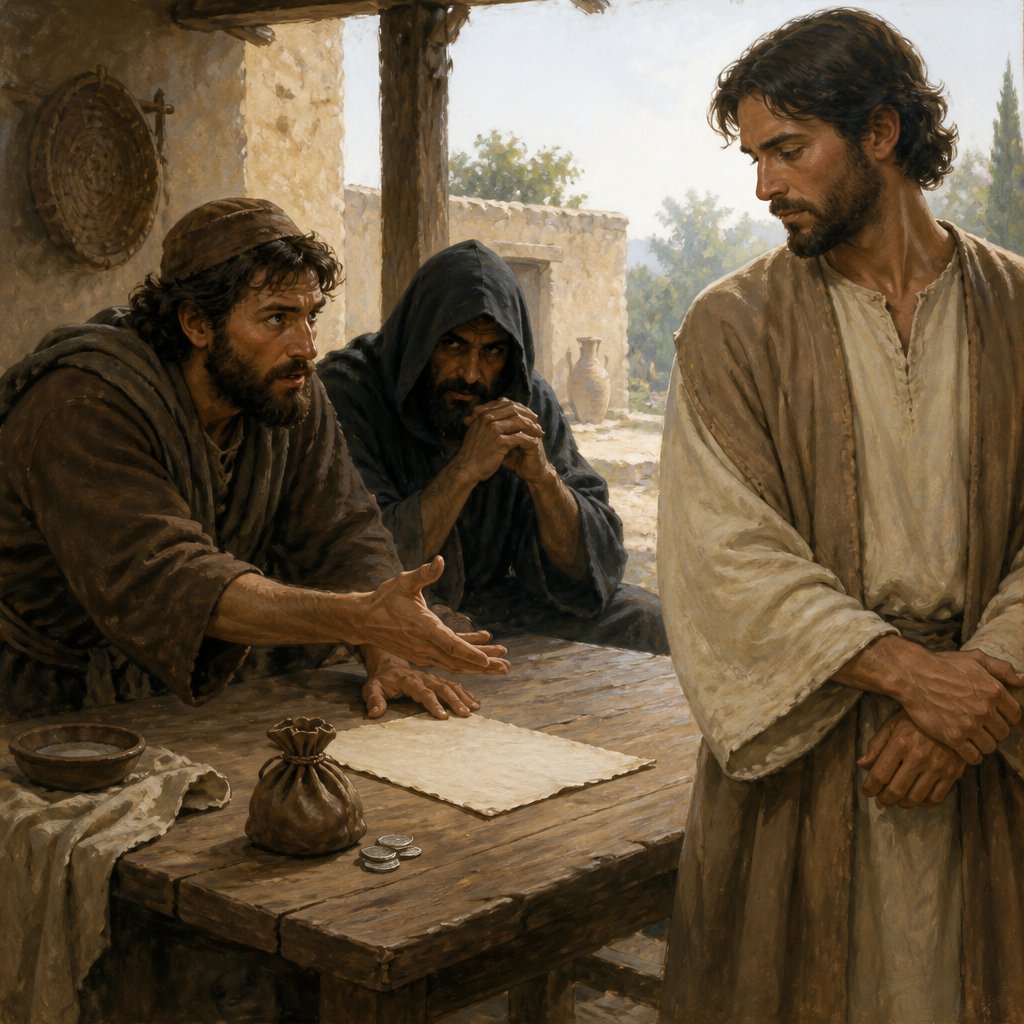
Proverbs 11:15 states, "He that is surety for a stranger shall smart for it: and he that hateth suretiship is sure." This verse, like many others in the book of Proverbs, offers profound wisdom regarding relationships, trust, and the responsibilities we embrace in our interactions with others. As we delve into this teaching, it becomes clear that the principle of surety—standing as a guarantor for someone else's debt or obligation—is fraught with implications. Embracing such a role is not to be taken lightly, especially when it involves a stranger.
At first glance, the concept of surety can seem innocuous; after all, it is an expression of trust and goodwill. We might think, "If I can help someone, why not?" However, Solomon cautions us with a sobering reminder: to become surety for a stranger can lead to personal loss, hardship, or regret. When we commit to cover someone else’s obligations, especially someone we do not know well or understand, we are, in essence, tying our own fortunes to theirs. A stranger's actions, decisions, and eventual failures can have a direct and detrimental effect on our own financial or social well-being.
The warning against becoming surety for a stranger is further reinforced by the second part of the verse: "and he that hateth suretiship is sure." This suggests that those who wisely avoid such risky commitments lay a foundation of security in their own lives. Herein lies a deep principle of wisdom: discernment. We must be careful about the allegiances we form and the commitments we undertake. It is wise to evaluate the character and reliability of those to whom we extend our trust; this careful consideration will protect us from the pain of loss and disappointment.
So how should we navigate these waters of trust and responsibility? First, we need to cultivate a heart of discernment. James 1:5 encourages us, saying, "If any of you lack wisdom, let him ask of God, that giveth to all men liberally, and upbraideth not; and it shall be given him." When faced with decisions that involve significant trust, we should seek divine guidance first, asking God for insight about the situation and the person involved.
Second, we should embrace a covenantal mindset in our relationships. A covenant is an agreement that is built on mutual understanding, trust, and accountability. As we engage with others, striving to develop relationships that are marked by these qualities can help reduce the risk of betrayal. A covenant demonstrates a willingness to stand by one another, grounded in the knowledge of each other’s lives and values, rather than a spontaneous commitment made towards a stranger.
Additionally, understanding the context of the relationships we engage in can save us from unnecessary burdens. If we cherish wisdom and aim to avoid folly, we will take time to assess the needs and character of those asking for our help, especially those we do not know well. When we genuinely care for others, it does not mean forsaking our own well-being. Wisdom teaches us to extend grace while guarding our own resources wisely.
Finally, this Proverbs verse serves as a reminder of the importance of integrity in our engagements. When we owe trusts of assurances, we must stay committed to our word and ensure we are not unjustly placing burdens upon ourselves or others.
In conclusion, let us remember that true wisdom is found in understanding the weight of our words and commitments. By recognizing the significance of our roles in relationships—especially those involving surety—we can navigate life with a heart aligned to God’s wisdom, safeguarding our trust and relationships. As we take these lessons to heart, may we be diligent in honoring our obligations while being cautious about the commitments we choose to undertake. In honoring wisdom, we reflect the character of Christ, who embodies the ultimate surety for our lives. Amen.
Get our apps


Artwork for Proverbs 11:15

Proverbs 11:15 - "He that is surety for a stranger shall smart for it: and he that hateth suretiship is sure."
"He that is surety for a stranger shall smart for it: and he that hateth suretiship is sure." - Proverbs 11:15

Proverbs 15:11 - "Hell and destruction are before the LORD: how much more then the hearts of the children of men?"

Proverbs 11:2

Proverbs 11:2

Proverbs 11:2

Proverbs 11:7

Proverbs 11:2

Proverbs 11:2

Proverbs 11:2

Proverbs 11:2

"Hell and destruction are before the LORD: how much more then the hearts of the children of men?" - Proverbs 15:11

John 1:1-5

John 1:1-5

Proverbs 15:15 - "All the days of the afflicted are evil: but he that is of a merry heart hath a continual feast."

Proverbs 11:11 - "By the blessing of the upright the city is exalted: but it is overthrown by the mouth of the wicked."

proverbs 5:11

Proverbs 2:15 - "Whose ways are crooked, and they froward in their paths:"

proverbs 5:11-12

proverbs 5:11-12

Proverbs 8:15 - "By me kings reign, and princes decree justice."

Proverbs 9:15 - "To call passengers who go right on their ways:"

Proverbs 15:33 - "The fear of the LORD is the instruction of wisdom; and before honour is humility."

Proverbs 4:15 - "Avoid it, pass not by it, turn from it, and pass away."

Proverbs 15:22 - "Without counsel purposes are disappointed: but in the multitude of counsellors they are established."

Proverbs 15:3 - "The eyes of the LORD are in every place, beholding the evil and the good."

Proverbs 20:15 - "There is gold, and a multitude of rubies: but the lips of knowledge are a precious jewel."

Proverbs 15:31 - "The ear that heareth the reproof of life abideth among the wise."

Proverbs 15:6 - "In the house of the righteous is much treasure: but in the revenues of the wicked is trouble."

Proverbs 13:15 - "Good understanding giveth favour: but the way of transgressors is hard."