Inheriting the Wind: The Consequences of Turmoil in Our Homes
“He that troubleth his own house shall inherit the wind: and the fool shall be servant to the wise of heart.” — Proverbs 11:29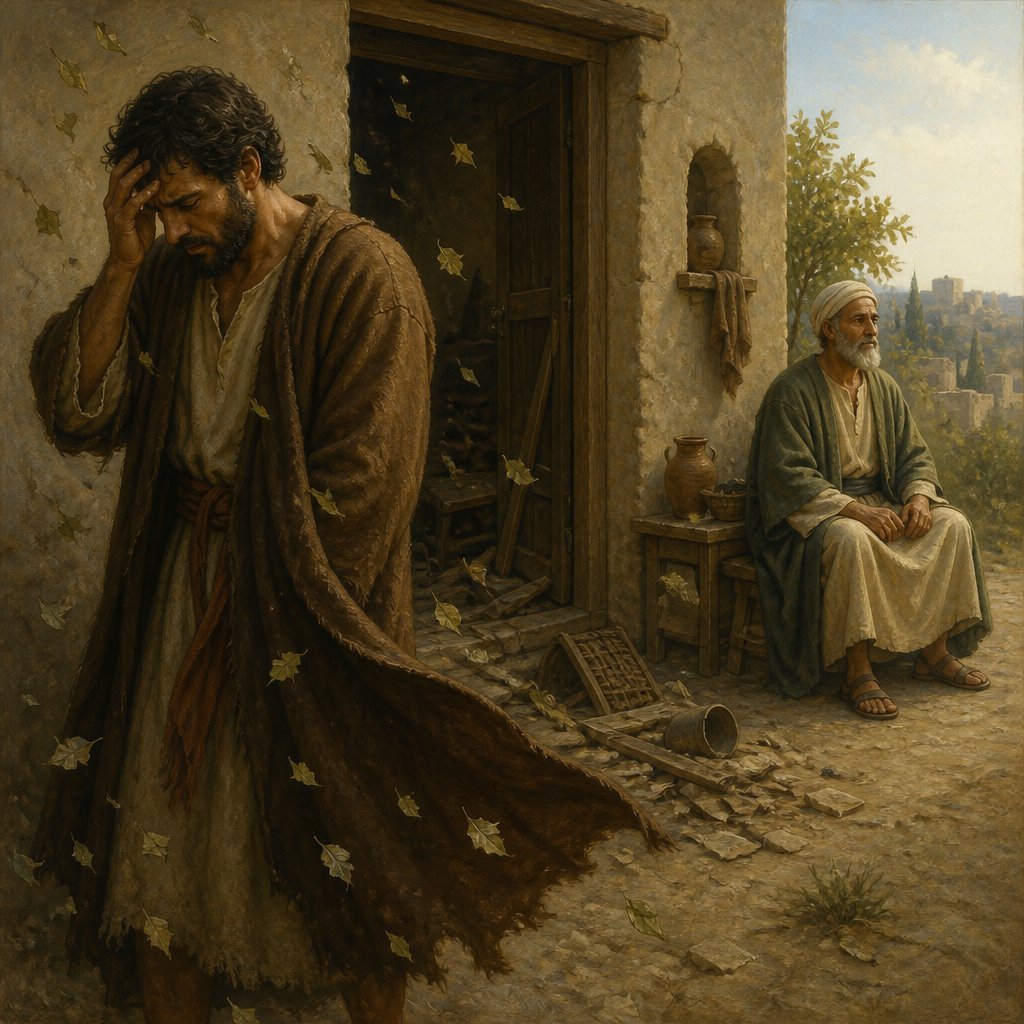
"He that troubleth his own house shall inherit the wind: and the fool shall be servant to the wise of heart." (Proverbs 11:29 KJV)
In our fast-paced world, where the essence of family life often comes under pressure, this proverb serves as a sobering reminder of the importance of nurturing peace and support within our homes. The image painted in the verse is stark and striking: those who instigate chaos and conflict in their households are destined to receive little in return but emptiness, symbolized here by the wind. This scripture invites us to reflect deeply on our role within our families, before we find ourselves adversely affected by the storms of strife we create.
Initially, it’s paramount to grasp the critical concept of 'troubling one’s own house'. This trouble can manifest in various forms—harsh words spoken in anger, neglecting family responsibilities, allowing resentment to fester, or not addressing issues when they arise. The metaphor of inheriting the wind evokes an image of futility. When we allow conflict and chaos to reign, we ultimately receive nothing substantial; we reap fleeting moments of anger and frustration without the stability and love a well-tended home could provide.
Consider the generations affected by our actions. When we act foolishly, sowing discord in our homes, it doesn’t just harm current relationships. It has a ripple effect, impacting the fabric of family lineage, shaping how our children perceive family dynamics, and influencing how they interact with their future families. A wise heart understands the weight of these truths—one action can lead to years of consequences.
The second half of the verse highlights a stark contrast: "and the fool shall be servant to the wise of heart." The fool, in Biblical terms, is not merely someone who makes poor choices, but rather a person who persists in foolishness, rejecting wisdom and the guidance available to them. This contrasts beautifully with those characterized as 'wise of heart'—individuals who actively seek understanding, live in harmony with others, and cultivate a spirit of gentleness and guidance. The passage suggests that, ultimately, the fool who does not embrace wisdom and acts impulsively out of strife will find themselves in a position of servitude, possibly having to learn inevitably from those who have chosen a different path.
So how can we apply these truths today? First, let’s commit to self-examination. Daily, we can ask ourselves: are we contributing to peace or turmoil within our homes? Do our actions foster love and unity, or do they sow seeds of discord? Sometimes it’s the quiet things we do, such as withholding affection or failing to listen, that can create barriers. A peaceful home environment requires intentional effort; it demands patience, understanding, and a willingness to forgive.
Further, let’s choose to embrace wisdom. This does not come naturally and often requires us to seek it actively through prayer, accountability from wise friends, and the study of the Scriptures. By filling our hearts with God’s Word, we equip ourselves to handle conflict in ways that build up rather than tear down.
Finally, let’s nurture a culture of open communication and mutual respect. As we work to maintain peace and positivity in our relationships, we enhance our household’s ability to endure the inevitable trials of life. We become beacons of wisdom instead of fodder for foolishness.
In conclusion, the cost of turmoil in any form can seem immediate, while the benefits of peace often unfold over time. Let us be vigilant about the legacy we create in our homes. May our families not inherit the wind of strife but rather the lasting blessings of wisdom, unity, and love.
Get our apps


Artwork for Proverbs 11:29

Proverbs 11:29 - "He that troubleth his own house shall inherit the wind: and the fool shall be servant to the wise of heart."
"He that troubleth his own house shall inherit the wind: and the fool shall be servant to the wise of heart." - Proverbs 11:29

Proverbs 29:11 - "A fool uttereth all his mind: but a wise man keepeth it in till afterwards."

Proverbs 11:2

Proverbs 11:2

Proverbs 11:2
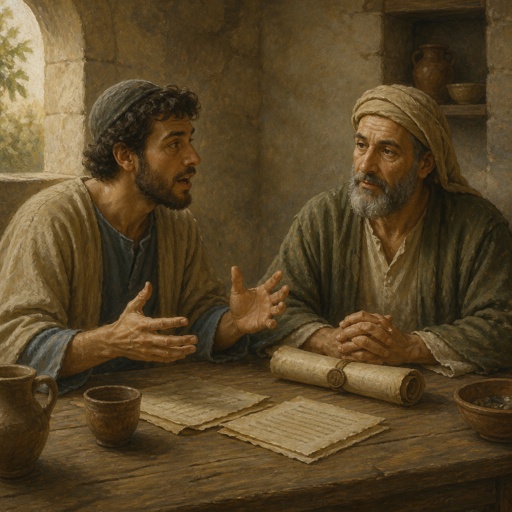
"A fool uttereth all his mind: but a wise man keepeth it in till afterwards." - Proverbs 29:11

Proverbs 11:7

Proverbs 11:2

Proverbs 11:2

Proverbs 11:2

Proverbs 11:2

Proverbs 19:29 - "Judgments are prepared for scorners, and stripes for the back of fools."

Proverbs 1:29 - "For that they hated knowledge, and did not choose the fear of the LORD:"

Proverbs 29:10 - "The bloodthirsty hate the upright: but the just seek his soul."

Proverbs 29:12 - "If a ruler hearken to lies, all his servants are wicked."

Proverbs 29:7 - "The righteous considereth the cause of the poor: but the wicked regardeth not to know it."

Proverbs 29:5 - "A man that flattereth his neighbour spreadeth a net for his feet."

Proverbs 10:29 - "The way of the LORD is strength to the upright: but destruction shall be to the workers of iniquity."

Jeremiah 29:11-13

Jeremiah 29:11-13

Proverbs 29:4 - "The king by judgment establisheth the land: but he that receiveth gifts overthroweth it."

Proverbs 29:6 - "In the transgression of an evil man there is a snare: but the righteous doth sing and rejoice."

Proverbs 15:29 - "The LORD is far from the wicked: but he heareth the prayer of the righteous."

Proverbs 29:19 - "A servant will not be corrected by words: for though he understand he will not answer."

Jeremiah 29:11-13

Jeremiah 29:11-13

Proverbs 20:29 - "The glory of young men is their strength: and the beauty of old men is the gray head."

Proverbs 29:14 - "The king that faithfully judgeth the poor, his throne shall be established for ever."

Proverbs 30:29 - "There be three things which go well, yea, four are comely in going:"