The Divine Path of Righteousness: Navigating Life's Choices
“The righteousness of the perfect shall direct his way: but the wicked shall fall by his own wickedness.” — Proverbs 11:5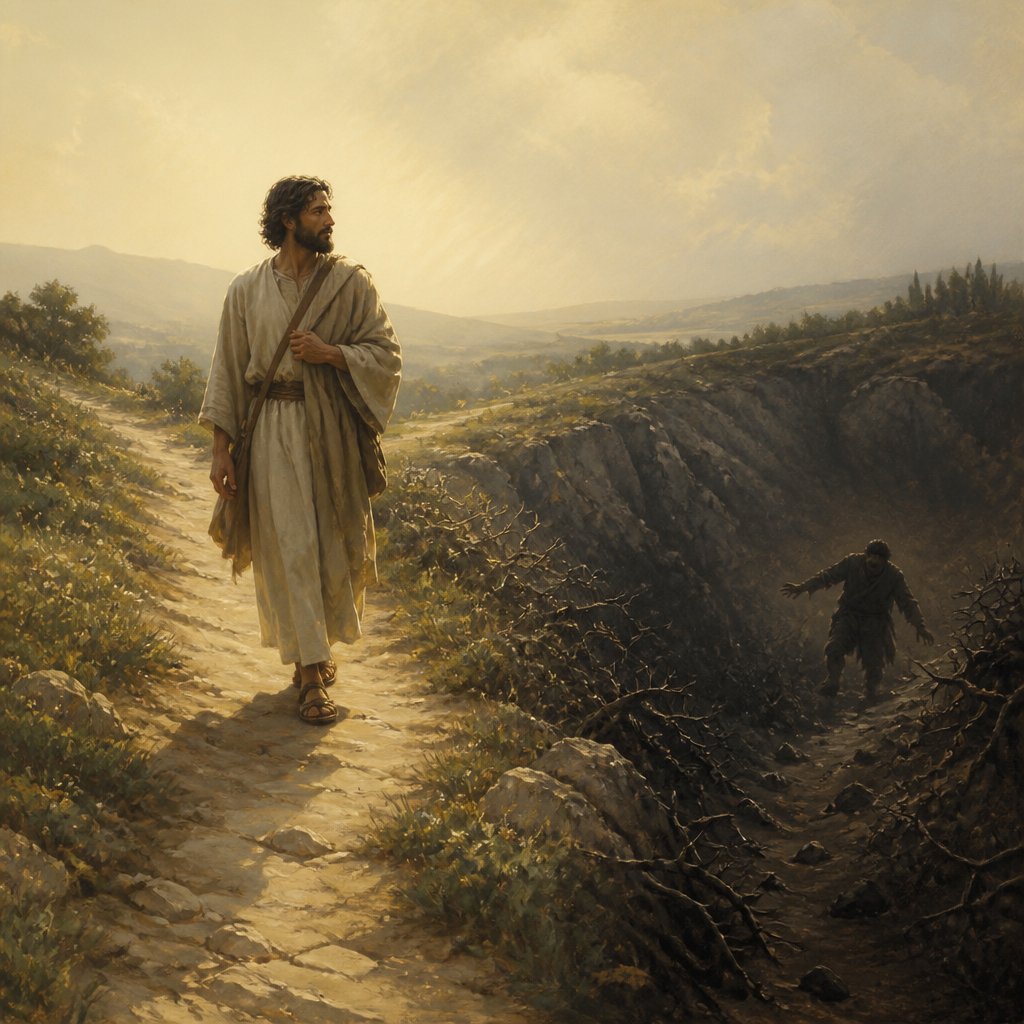
Proverbs 11:5 reads: "The righteousness of the perfect shall direct his way: but the wicked shall fall by his own wickedness." This verse encapsulates profound truths about the nature of righteousness, the guidance it offers, and the inevitable consequences of our choices.
In the ancient world, as in ours, character and morality were crucial for living a life of purpose and fulfillment. The Book of Proverbs, with its pithy sayings and moral lessons, serves as a guide for wise living. In this particular verse, we are introduced to the concept of righteousness—what it means to be 'perfect' or 'upright'—and the ways it influences our paths.
Firstly, let’s explore the phrase "the righteousness of the perfect shall direct his way." Here, righteousness is presented not merely as a set of rules or moral guidelines, but as a divine compass that steers our lives toward the right direction. It suggests an active, ongoing internal state that manifests in our choices. The term 'perfect' does not imply flawlessness but rather completeness; it embodies those who are wholly committed to living in accordance with God’s will. When our heart is aligned with righteousness, clarity emerges in our decisions. We start to see the world through a lens of divine wisdom, allowing us to make choices that reflect God’s character.
In a day-to-day context, how do we seek this righteousness? It begins with alignment to God’s Word—studying the Scriptures, which are rich with teaching for every aspect of life. The more we immerse ourselves in God’s truth, the more our hearts and minds are transformed. Romans 12:2 reinforces this, urging believers to ‘be transformed by the renewing of your mind.’ As our minds are renewed, the righteousness that guides our paths becomes a natural expression of who we are in Christ.
The second half of the verse speaks to the consequences of a life lived outside of righteousness: "but the wicked shall fall by his own wickedness." The imagery here is vivid and cautionary. The wicked, those who choose to reject God’s laws and pursue their desires, become ensnared by the very practices they chase. This is the tragic irony of wickedness—it promises freedom and pleasure but leads to destruction and despair. As we observe the world around us, we often witness this unfolding in reality. Decisions driven by self-interest, greed, and malice may appear rewarding temporarily, but they ultimately lead to downfall and ruin.
The dynamic tension between righteousness and wickedness does not exist in a vacuum; it extends beyond individual consequences and shapes communities and cultures. When righteousness prevails, it cultivates harmony, justice, and peace—not just for the righteous, but for society as a whole. Conversely, the prevalence of wickedness erodes trust, breeds corruption, and results in systemic consequences that affect everyone.
In light of this, how do we cultivate a life of righteousness? It begins with intentionality—making daily choices to seek God through prayer, fellowship, and the reading of His Word. We must ask ourselves: are our actions and decisions reflective of Christ’s love and righteousness? Do we seek guidance in difficult times or do we rely solely on our understanding? Each choice is a stepping stone leading us toward or away from the life God has designed for us.
As we move through our daily lives, let us be diligent in our quest for righteousness. Let us embrace the guidance it offers, confident that it will lead us on the right path, while always being aware of the costly consequences of straying into wickedness. Let Proverbs 11:5 be a constant reminder of the grace and wisdom found in pursuing God’s heart, ensuring that our steps are directed by His righteousness.
Get our apps


Artwork for Proverbs 11:5

Proverbs 11:5 - "The righteousness of the perfect shall direct his way: but the wicked shall fall by his own wickedness."
"The righteousness of the perfect shall direct his way: but the wicked shall fall by his own wickedness." - Proverbs 11:5

proverbs 5:11

proverbs 5:11-12

proverbs 5:11-12

Proverbs 5:11 - "And thou mourn at the last, when thy flesh and thy body are consumed,"

Proverbs 11:2

Proverbs 11:2

Proverbs 11:2

Proverbs 11:7

Proverbs 11:2

Proverbs 11:2

Proverbs 11:2

Proverbs 11:2
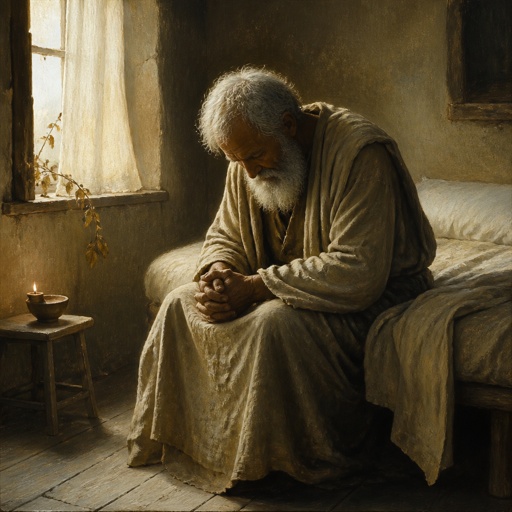
"And thou mourn at the last, when thy flesh and thy body are consumed," - Proverbs 5:11

Proverbs 1:5

Proverbs 11:11 - "By the blessing of the upright the city is exalted: but it is overthrown by the mouth of the wicked."

Proverbs 1:5

Proverbs 1:5

Proverbs 1:5

Proverbs 1:5

Proverbs 1:5

Proverbs 1:5

Proverbs 1:5

Proverbs 1:5

Proverbs 1:5

Proverbs 1:5

proverbs 5:12

Proverbs 12:5

Proverbs 1:5