The Worker's Heart: A Reflection on Proverbs 16:26
“He that laboureth laboureth for himself; for his mouth craveth it of him.” — Proverbs 16:26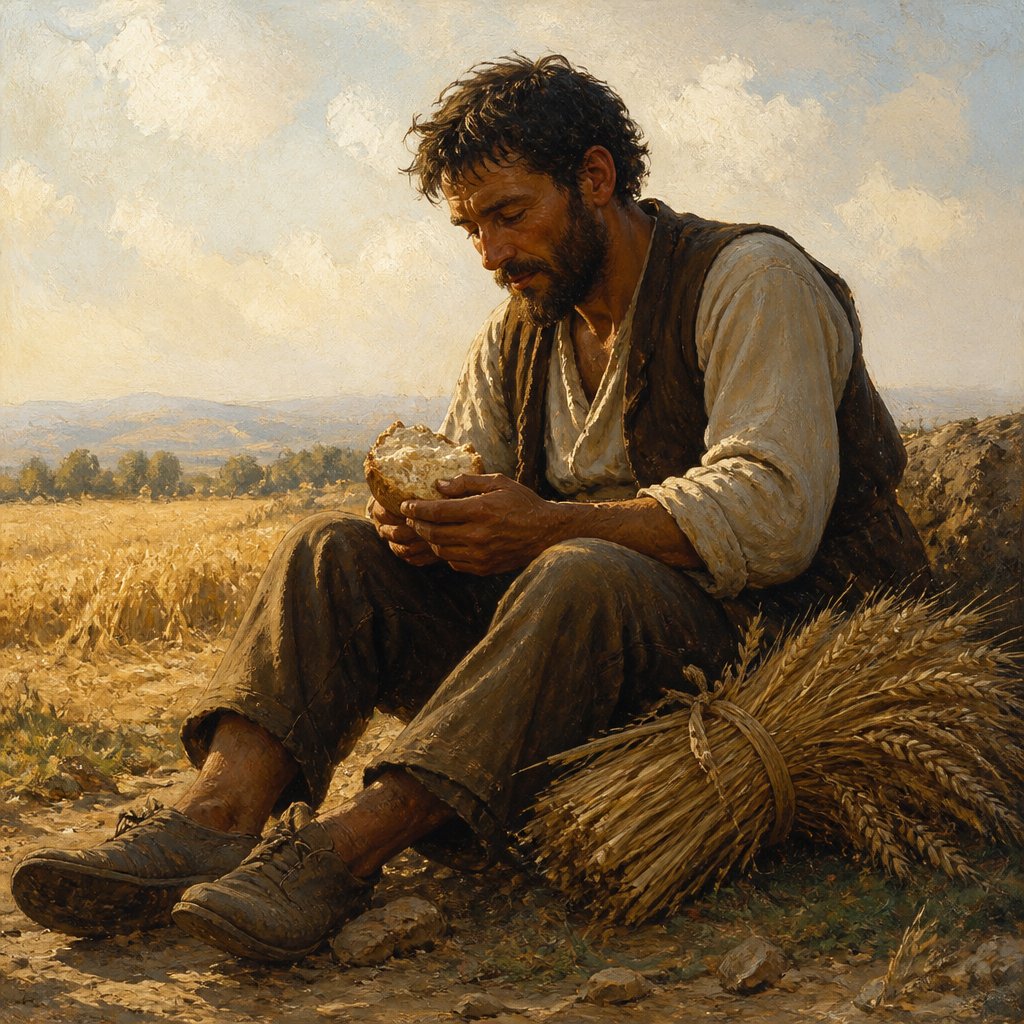
In the hustle and bustle of everyday life, we often find ourselves caught in a relentless cycle of labor and toil. The demands of work, family, and societal expectations can be overwhelming, leading us to occasionally question the purpose behind our efforts. The verse from Proverbs 16:26 in the King James Version states, "He that laboureth laboureth for himself; for his mouth craveth it of him." This profound statement invites us to delve deeper into the essence of labor, motivation, and the rewards of our toils.
At first glance, the phrase "He that laboureth laboureth for himself" might seem self-serving, suggesting a stark individualism in our work. However, let us explore the layers of meaning behind this wisdom. The passage highlights the intrinsic connection between our efforts and our genuine needs or desires. When we labor, it is primarily for the fulfillment of our own needs – be they physical, emotional, or spiritual. This truth is pivotal in understanding the nature of work.
As we consider the different forms of labor in our lives, we may recognize that work extends beyond paid employment. It encompasses the roles of a parent, a volunteer, a caregiver, or a community leader. Each form of labor serves a purpose that ultimately nourishes our souls. When we engage in work that contributes to our well-being, we are not merely grinding for survival; we are investing in our happiness, fulfillment, and future.
The second part of the verse, "for his mouth craveth it of him," adds depth to this understanding. It reminds us that our cravings—our needs and desires—directly influence our labor. Human beings are designed with an innate desire to achieve, to create, and to contribute. Our cravings can manifest in various ways: the hunger for food, the thirst for knowledge, the yearning for love, or the drive for success. Thus, our labor often stems from these fundamental cravings. When we work towards satisfying our needs, we find purpose and significance in our efforts.
Consider the role of motivation in your own life. What drives you to work? Is it the desire to provide for your family? Is it the quest for personal growth or recognition in your career? Understanding your motivations can transform the way you perceive your labor. It becomes less about the grind and more about the fulfillment of a deeper calling.
Moreover, Proverbs reminds us to examine the spiritual dimension of labor. As we toil in the world—whether in our jobs or personal endeavors—our work is ultimately a reflection of our hearts. The way we approach work can either be an expression of gratitude and fulfillment or a source of bitterness and complaint. When we work solely for external validation, we may find ourselves weary and unfulfilled. However, when our labor is dedicated to serving God and others, it takes on a greater significance.
Colossians 3:23-24 echoes this sentiment, stating, "And whatsoever ye do, do it heartily, as to the Lord, and not unto men; Knowing that of the Lord ye shall receive the reward of the inheritance: for ye serve the Lord Christ." When we commit our work to God and view it as an opportunity to glorify Him, our labor becomes a vital aspect of our worship and service.
In conclusion, Proverbs 16:26 challenges us to redefine our understanding of labor. It emphasizes that our work is fundamentally tied to our needs and cravings, which can lead us to a fuller recognition of God’s provision in our lives. As we labor, whether in leisure or in toil, let us do so with a heart attuned to God’s will and a desire to satisfy not just our own cravings, but also the needs of those around us. When we laboureth for ourselves while keeping God at the center, our work can become a beautiful manifestation of purpose, love, and divine service.
Get our apps


Artwork for Proverbs 16:26

Proverbs 16:26 - "He that laboureth laboureth for himself; for his mouth craveth it of him."
"He that laboureth laboureth for himself; for his mouth craveth it of him." - Proverbs 16:26

Proverbs 26:16 - "The sluggard is wiser in his own conceit than seven men that can render a reason."
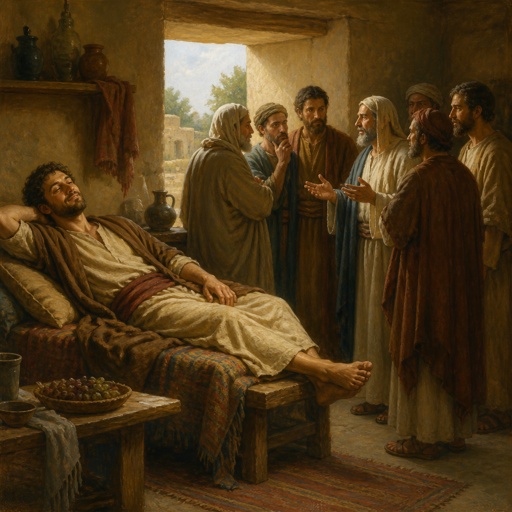
"The sluggard is wiser in his own conceit than seven men that can render a reason." - Proverbs 26:16

Proverbs 26:15-16 - "The sluggard buries his hand in the dish; it wears him out to bring it back to his mouth. The sluggard is wiser in his own eyes than seven men who can answer sensibly."

Proverbs 7:26

Proverbs 26:20

Proverbs 26:26 - "Whose hatred is covered by deceit, his wickedness shall be shewed before the whole congregation."

Proverbs 26:14-16 - "As a door turns on its hinges, so does a sluggard on his bed. The sluggard buries his hand in the dish; it wearies him to bring it back to his mouth. The sluggard is wiser in his own eyes than seven men who can answer sensibly."

Proverbs 7:26-27

Proverbs 16

Proverbs 30:26 - "The conies are but a feeble folk, yet make they their houses in the rocks;"

Proverbs 27:26 - "The lambs are for thy clothing, and the goats are the price of the field."

Proverbs 27:16

Proverbs 26:18 - "As a mad man who casteth firebrands, arrows, and death,"

Proverbs 26:7 - "The legs of the lame are not equal: so is a parable in the mouth of fools."

Proverbs 26:3 - "A whip for the horse, a bridle for the ass, and a rod for the fool's back."

Proverbs 26:13 - "The slothful man saith, There is a lion in the way; a lion is in the streets."

Proverbs 15:26 - "The thoughts of the wicked are an abomination to the LORD: but the words of the pure are pleasant words."

Proverbs 20:26 - "A wise king scattereth the wicked, and bringeth the wheel over them."

Proverbs 26:1 - "As snow in summer, and as rain in harvest, so honour is not seemly for a fool."

Proverbs 26:22 - "The words of a talebearer are as wounds, and they go down into the innermost parts of the belly."

Proverbs 17:26 - "Also to punish the just is not good, nor to strike princes for equity."

Proverbs 22:26 - "Be not thou one of them that strike hands, or of them that are sureties for debts."

Proverbs 16:16 - "How much better is it to get wisdom than gold! and to get understanding rather to be chosen than silver!"

Proverbs 26:28 - "A lying tongue hateth those that are afflicted by it; and a flattering mouth worketh ruin."

Proverbs 4:26 - "Ponder the path of thy feet, and let all thy ways be established."

Proverbs 26:8 - "As he that bindeth a stone in a sling, so is he that giveth honour to a fool."

Proverbs 24:26 - "Every man shall kiss his lips that giveth a right answer."

Proverbs 26:23 - "Burning lips and a wicked heart are like a potsherd covered with silver dross."