The Dangers of Impulsive Commitment
“It is a snare to the man who devoureth that which is holy, and after vows to make enquiry.” — Proverbs 20:25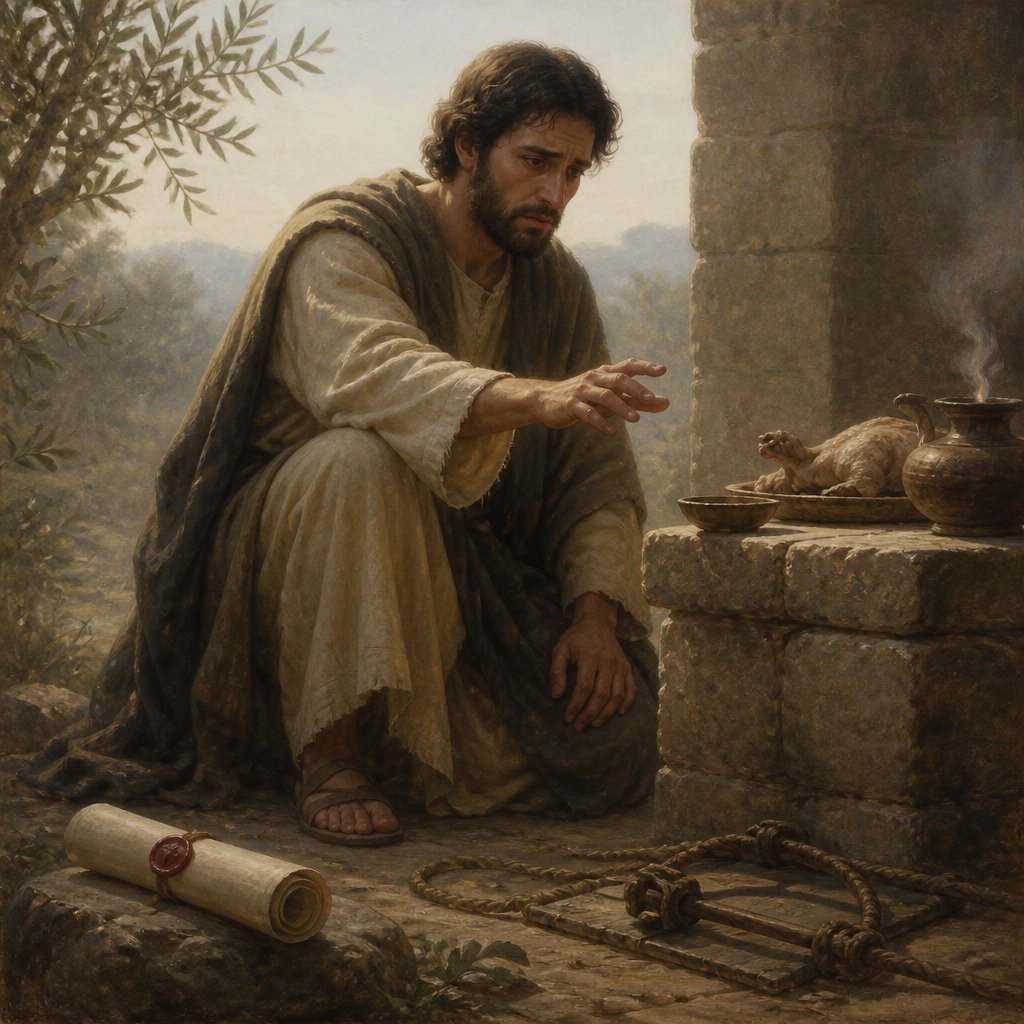
**Devotional: The Dangers of Impulsive Commitment**
Proverbs 20:25 (KJV) states, "It is a snare to the man who devoureth that which is holy, and after vows to make enquiry." At first glance, this verse appears to address two distinct ideas: the sacredness of holiness and the dangers surrounding hasty promises. However, a closer examination reveals a profound warning about both the treatment of the sacred and the nature of our commitments—especially the vows we make before God and others.
To "devoureth that which is holy" evokes imagery of consuming or destroying something sacred. In biblical terms, what is holy is set apart, often assigned a specific purpose by God. For instance, the practices of worship, prayer, and the Word of God are holy because they are intertwined with God's design for relationship with humanity. To approach these sacred elements with a flippant or careless attitude is not only disrespectful but profoundly risky. When we treat holiness as commonplace, we risk losing the very thing that sustains our spiritual life. God’s holiness is not to be trifled with; it demands reverence and awe.
The second portion of the verse, "after vows to make enquiry," introduces another critical layer concerning the importance of our promises. In ancient Israel, vows were taken seriously. They signified a contract between an individual and God, and a breach of such vows was viewed as a transgression that could bear significant consequences. In our own lives, how often do we make hasty commitments without considering their weight?
The scripture warns us of the peril that comes after we’ve made a vow but then begin to question its implications. It is essential to ponder the sacred nature of our commitments. A vow made in the heat of emotion may not accurately reflect our true intentions or capability. This reflects the example of King Herod in the New Testament, who rashly promised to give Salome whatever she wished after her dance, only to find himself ensnared by his own words (Mark 6:23). Here, the consequences of impulsive promises can lead to actions that foster destruction.
Moreover, the reference to thinking afterwards—making "enquiry" after the vow—highlights the human tendency to want to renegotiate or reconsider our commitments once the fervor fades. It reminds us that we often do not fully grasp what we are promising when we sign on the dotted line of a vow made in the moment. Discussions about vows, especially those made to God or as an act of faith, should always come from a place of careful contemplation and sincere intent rather than impulse.
In practical terms, we can apply this wisdom in various aspects of our lives. Consider your commitments at church, in your family, and in your community. Are they reflective of genuine conviction? Before hastily agreeing to serve or to help others, pause to seek God’s guidance. Are you aligning with His will, or are you rushing into a situation that could ultimately lead to regret?
Furthermore, as we examine our attitudes toward "that which is holy," it provokes us to consider our treatment of sacred spaces in our lives, especially in our interactions with God. How do we approach prayer, scripture, and worship? Are they just one more task on our to-do list, or do they represent meaningful connections with the Divine? When we devour what is holy—taking it for granted—we find ourselves dangerously close to a spiritual pitfall that could have lasting repercussions.
In conclusion, Proverbs 20:25 serves as a reminder to honor holiness and to approach commitments with the seriousness they deserve. Let us strive to uphold our vows and treat the sacred elements of our faith with the respect and reverence they deserve. The beauty of a promise lies not only in its making but also in the steadfast commitment to fulfill it with a heart devoted to God. May we be deliberate in our choices, sacred in our actions, and committed to the vows we confidently make in the presence of our Lord.
Get our apps


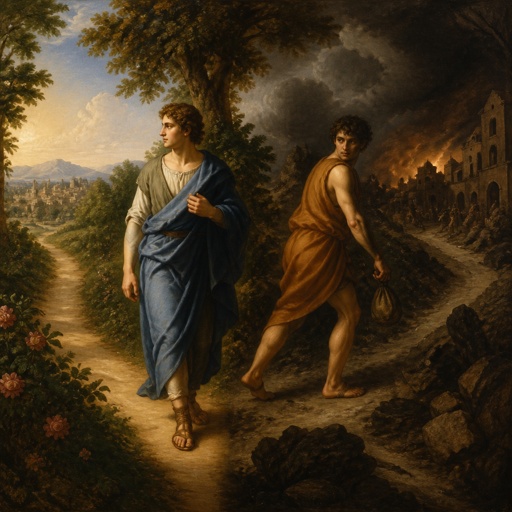
Artwork for Proverbs 20:25

Proverbs 20:25 - "It is a snare to the man who devoureth that which is holy, and after vows to make enquiry."
"It is a snare to the man who devoureth that which is holy, and after vows to make enquiry." - Proverbs 20:25
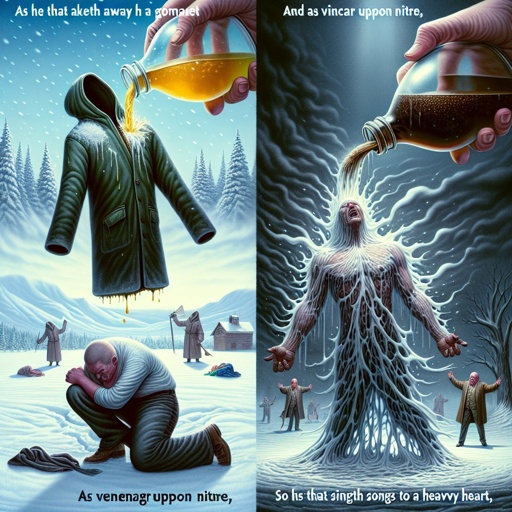
Proverbs 25:20 - "As he that taketh away a garment in cold weather, and as vinegar upon nitre, so is he that singeth songs to an heavy heart."

Proverbs 25:1 - "These are also proverbs of Solomon, which the men of Hezekiah king of Judah copied out."

Proverbs 25:25 - "As cold waters to a thirsty soul, so is good news from a far country."
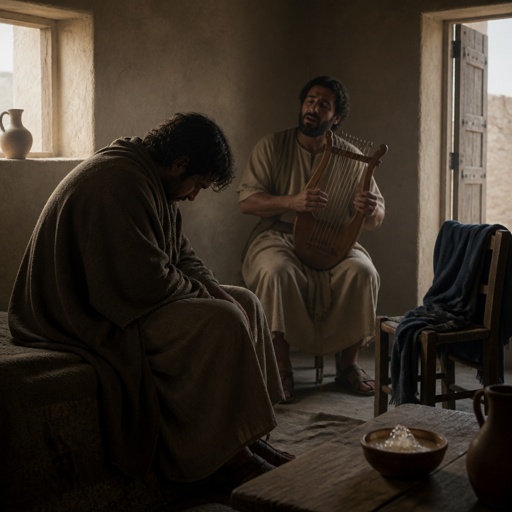
"As he that taketh away a garment in cold weather, and as vinegar upon nitre, so is he that singeth songs to an heavy heart." - Proverbs 25:20

proverbs 1:20

proverbs 1:20
Proverbs 20:24

proverbs 1:20

proverbs 1:20

proverbs 1:20

proverbs 1:20

proverbs 1:20

proverbs 1:20

proverbs 1:20

proverbs 1:20

proverbs 1:20

proverbs 1:20

proverbs 1:20

proverbs 1:20

Proverbs 1:20

proverbs 1:20

proverbs 1:20

proverbs 1:20

proverbs 1:20

proverbs 1:20

Proverbs 26:20

proverbs 1:20

proverbs 1:20